

 中文简体
 Español
 عربى

Why Should Professionals Consider a Twin Hammer Air Impact Wrench for Heavy-Duty Work?

The Twin Hammer Air Impact Wrench is a widely used tool in automotive repair, industrial maintenance, and construction work. Known for its balance between torque and speed, it provides an effective solution for loosening or tightening bolts quickly and with less physical effort. Understanding how a Twin Hammer Air Impact Wrench operates helps both professionals and hobbyists appreciate its practical advantages in various applications.
1. Overview of the Twin Hammer Air Impact Wrench
A Twin Hammer Air Impact Wrench is a type of pneumatic tool that converts compressed air into rotational torque. Its twin hammer mechanism distributes impact force evenly, allowing it to handle stubborn nuts and bolts without excessive wear on the tool. The wrench is typically used with sockets of various sizes, depending on the task requirements.
- Torque Output: Capable of handling medium to heavy-duty tasks.
- Air-Powered Operation: Requires a compatible air compressor to function efficiently.
- Durable Construction: Often built with reinforced housings and high-quality internal components.
2. Key Features
The design of a Twin Hammer Air Impact Wrench combines efficiency and durability. These features make it suitable for repetitive tasks in workshops and industrial settings.
- Twin Hammer Mechanism: Ensures smoother operation and more consistent torque compared to single hammer designs.
- Ergonomic Handle: Reduces operator fatigue during extended use.
- Adjustable Torque Settings: Provides control for delicate or heavy applications.
- Compact Design: Allows access to tight spaces without compromising power.
3. Applications in Various Industries
The Twin Hammer Air Impact Wrench is versatile and used in multiple sectors. Automotive mechanics rely on it for tire changes, engine repairs, and assembly work. Industrial maintenance teams use it to handle machinery bolts, while construction workers use it for assembling steel frameworks and heavy equipment.
- Automotive Repairs: Efficiently loosens and tightens lug nuts and bolts.
- Industrial Maintenance: Ideal for assembly lines and machinery upkeep.
- Construction Projects: Supports installation and disassembly of structural components.
4. Maintenance and Longevity
Proper care is essential for the performance of a Twin Hammer Air Impact Wrench. Regular lubrication, checking air hose connections, and inspecting moving parts for wear can extend its service life. Many manufacturers provide guidelines for oiling the hammer mechanism and ensuring that the tool operates under recommended air pressure.
- Lubrication: Keeps the hammer and internal components functioning smoothly.
- Air Pressure Check: Prevents damage from overpressure or insufficient airflow.
- Storage: Dry, clean storage prevents rust and debris accumulation.
5. Trends and Considerations
Manufacturers of Twin Hammer Air Impact Wrenches are focusing on lightweight materials, noise reduction, and improved ergonomics to meet evolving demands. Some newer models include features like adjustable speed triggers or reversible operation, increasing versatility for workshop tasks.
- Lightweight Materials: Reduce operator strain without sacrificing strength.
- Noise Reduction: Makes the tool suitable for indoor or prolonged use.
- Digital or Adjustable Controls: Allow precise torque application and efficiency.
A Twin Hammer Air Impact Wrench is a practical tool that combines durability, efficiency, and control, making it suitable for a variety of professional and industrial applications. By understanding its mechanism, features, and maintenance requirements, users can improve workflow, reduce fatigue, and achieve consistent results. Whether in automotive repair, industrial maintenance, or construction, this tool remains an essential asset for tasks that require speed and reliable torque.
Product Recommendations
-
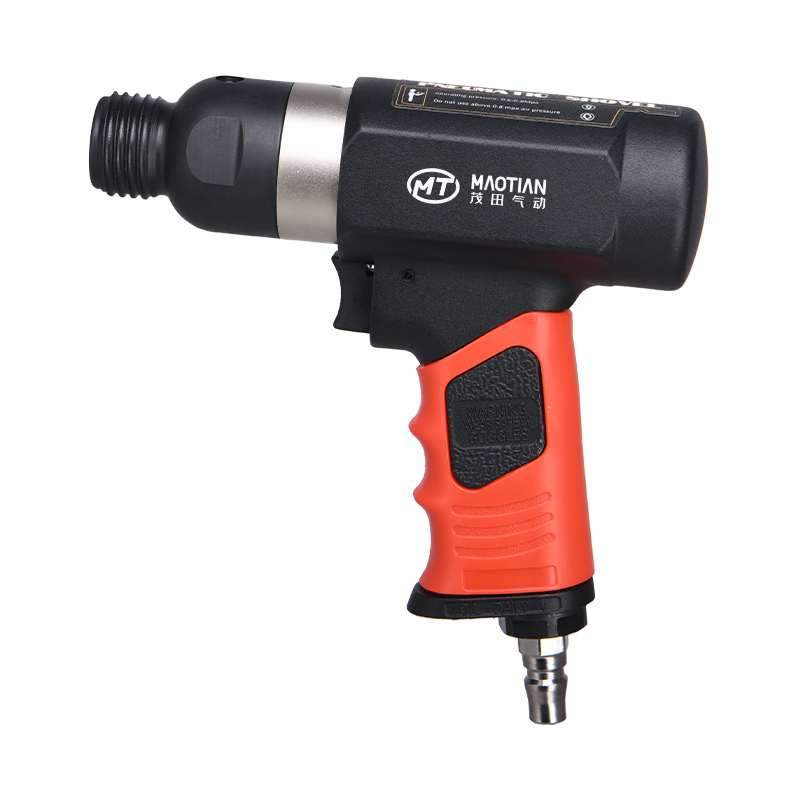
Heavy Duty Medium Barrel Air Hammer
read more -
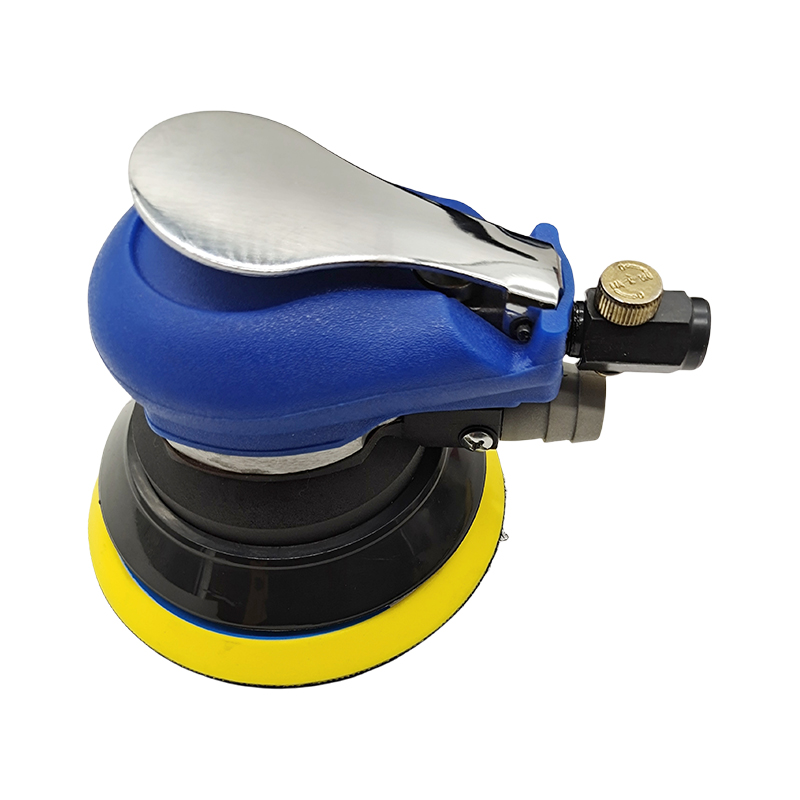
6" Pads And Sandpaper Air Random Orbital Polisher For Metal
read more -
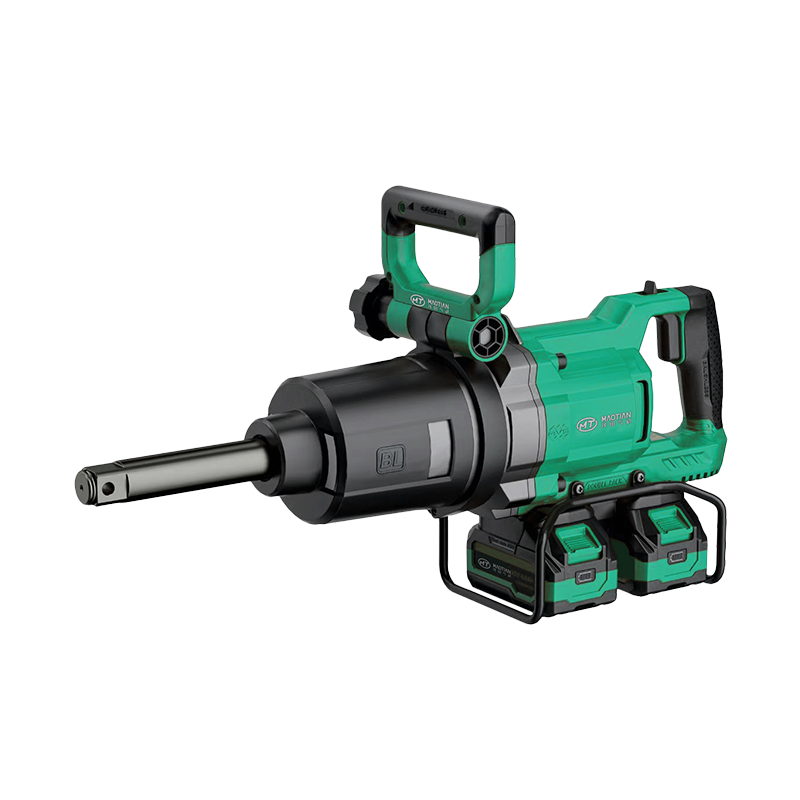
Ultra Duty 40V Strong Power Brushless 1" Li-ion Impact Wrench
read more -
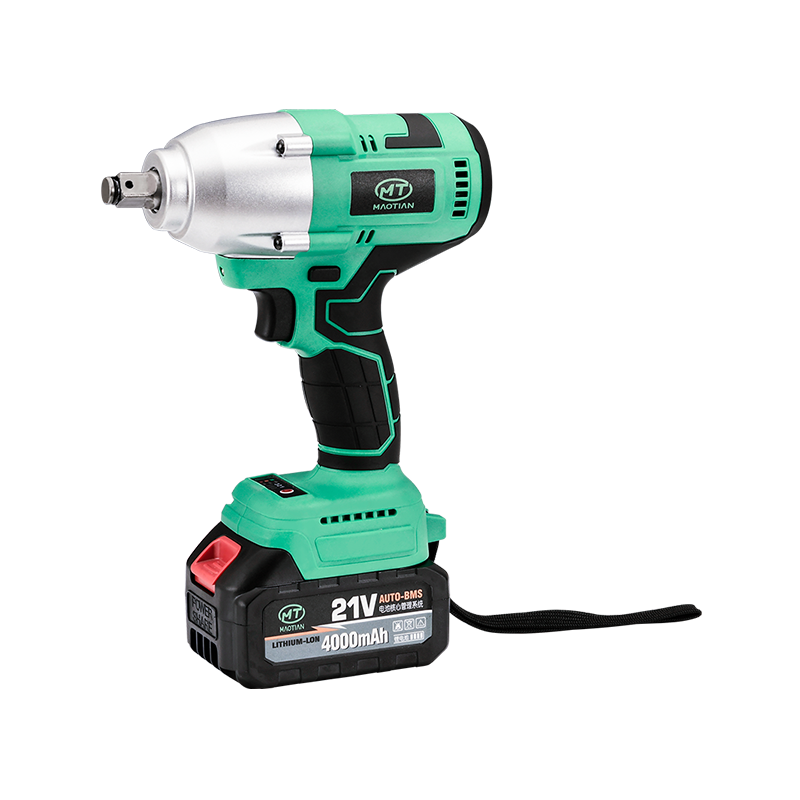
1/2" 20V Brushless Lightweight Li-ion Impact Wrench
read more -
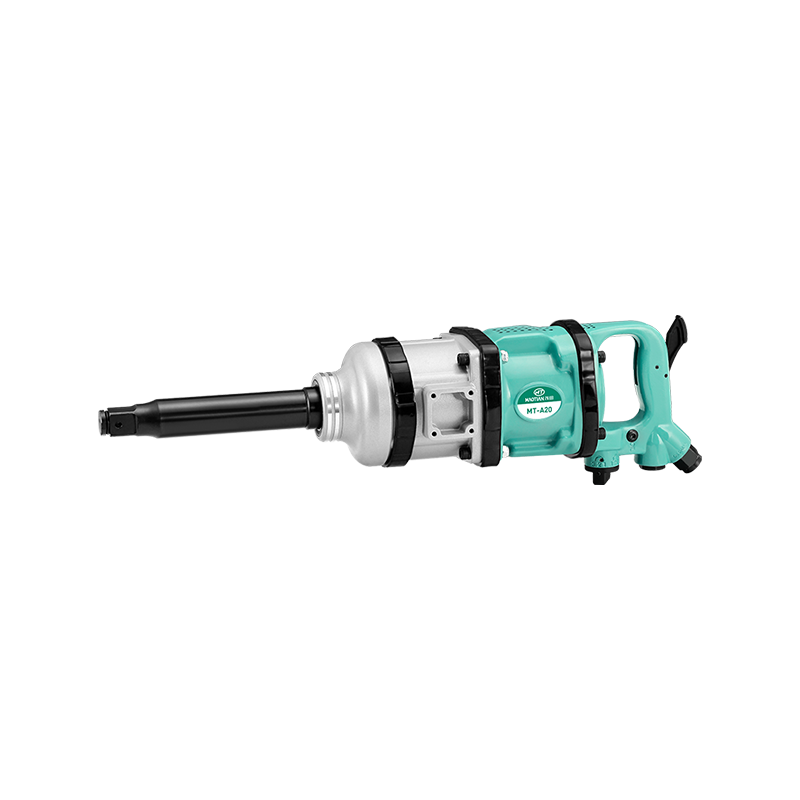
1" Heavy Duty Pinless Clutch Air Impact Wrench
read more -
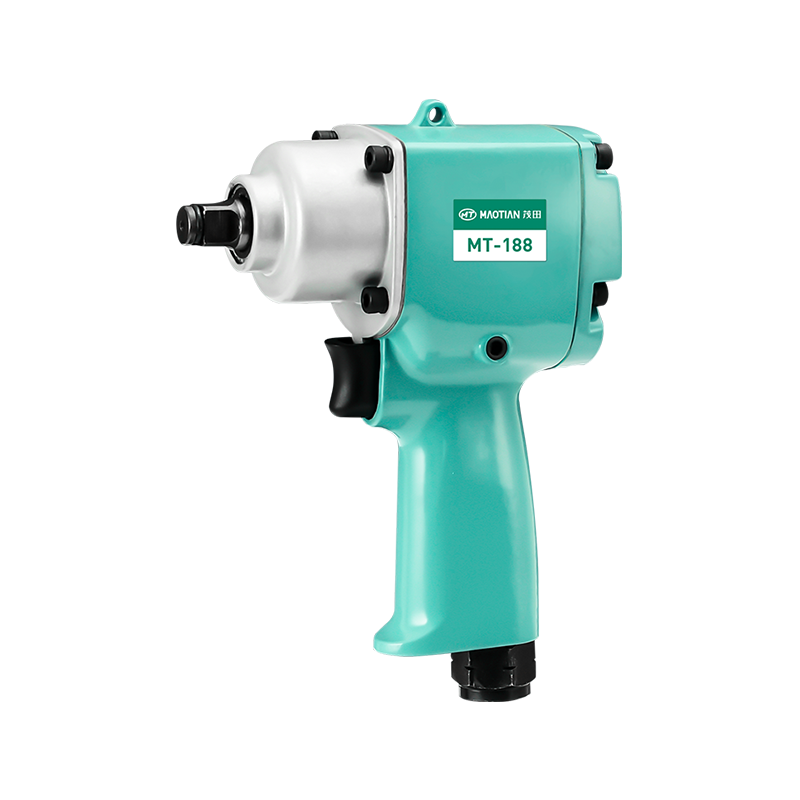
3/8 Inch Stubby Mini Air Impact Gun
read more
Contact
-
Official Address
Building 4, No. 1169, Jiutang South Road, Sanjia Street, Taizhou Bay New District, Taizhou City, Zhejiang , China.
-
Email Us
zoe@maotian-airtool.com
-
Call Us
+86 18815202028 (Zoe Sales Manager )
+86-576-82737789


Copyright © Taizhou Maotian Pneumatic Tools Co., Ltd.
Industrial Pneumatic Tools Factory


