

 中文简体
 Español
 عربى

Why Does Your Pneumatic Straight Die Grinder Lose Speed During Grinding
You start a job, and the tool feels lively. A few minutes later, the pitch drops and the cut slows down. Many people blame the tool itself. On many shop floors, though, the real cause sits somewhere else in the air system or in daily habits. A Pneumatic Straight Die Grinder is a simple machine, and that simplicity makes the problem easy to trace once you know where to look.
What Is Actually Happening Inside the Tool When Speed Drops?
An air grinder turns compressed air into rotation. Air enters the handle, passes through the motor, pushes against the rotor vanes, and leaves through the exhaust. The spindle then turns the collet and the burr or mounted point.
Speed depends on three things working together:
- A steady supply of clean, dry air
- A motor that seals well enough to catch that air
- A load that the motor can handle
If any one of these changes, the rotor slows. Think of it like a bicycle. A tired rider, a flat tire, or a steep hill can each slow you down, and the fix is different every time.
Is Your Air Supply the Hidden Culprit?
In daily use, this is an area worth checking early. A grinder can only run as well as the air that feeds it.
Could the Compressor Be Struggling to Keep Up?
A compressor that is too small for the shop will refill slowly. When several tools run at once, pressure sags. The grinder then loses power under load, even though the gauge looked fine a moment ago.
Signs to watch for:
- The compressor motor runs almost nonstop
- Speed drops when a second tool starts
- Pressure at the regulator falls as soon as you pull the trigger
Are the Hose and Fittings Too Small or Too Long?
A narrow hose acts like a straw that is too thin. Air cannot flow fast enough, so the tool starves. Long hose runs, tight bends, and low-quality quick couplers add more restriction.
A few simple habits help:
- Match the hose inner diameter to the tool's manual
- Keep the hose run as short as is practical
- Use fittings that match the hose size
- Replace kinked or worn hose sections
Does Water or Oil in the Line Slow the Motor?
Moisture is common in compressed air. It can cause rust, gum up the vanes, and thicken the lubricant inside the motor. A drain valve left closed for weeks is a frequent reason for weak performance.
Drain the tank on a regular schedule. A filter and dryer near the point of use also help protect the tool.
Why Does a Dry Motor Run Out of Breath?
Rotor vanes slide against the cylinder wall at high speed. Without enough lubrication, friction rises and the vanes wear down. Worn vanes no longer seal well, and air slips past instead of pushing the rotor.
How Often Should You Add Oil?
Follow the maker's guidance for your model. As a general habit, many users add a few drops of pneumatic tool oil at the inlet before each work session. An inline oiler is another option for continuous work.
Avoid these mistakes:
- Using motor oil or cooking oil, which can leave residue
- Adding too much, which can clog the exhaust
- Skipping oil on days with light use
Could the Wheel, Burr, or Collet Be Holding You Back?
Sometimes the motor is fine and the load is the problem.
Is the Burr Dull or Loaded?
A dull burr rubs instead of cutting. Friction rises, the motor works harder, and the speed falls. Metal chips packed between the flutes cause the same trouble. Clean or replace the burr when the cut starts to feel like polishing.
Are You Pushing Too Hard?
Heavy pressure is a common habit. This tool works well with light, steady contact. Let the abrasive do the cutting. If the pitch of the motor falls every time you lean in, ease off.
Is the Collet Worn or Dirty?
A worn collet lets the shank wobble. This adds vibration and drag. Dust inside the collet nut can also prevent a firm grip. Clean the parts and swap the collet when it no longer holds the shank snugly.
What Else Can Cause Speed Loss?
Some causes are less obvious.
| Symptom | Likely Cause | Simple Check |
|---|---|---|
| Slows only under load | Low air volume or dull burr | Test with a fresh burr and a shorter hose |
| Weak from the start | Pressure drop or clogged inlet filter | Check the regulator and clean the filter |
| Speed fades over minutes | Moisture or cold exhaust buildup | Drain the tank and check the line |
| Rough sound and vibration | Worn bearings or bent shank | Spin by hand and look for play |
| Exhaust feels weak | Worn vanes or blocked muffler | Inspect the muffler and motor parts |
Often two small issues add up, such as a slightly dull burr combined with a long hose.
Can a Clogged Muffler Matter?
Yes. Exhaust air needs a clear path out. A dirty muffler creates back pressure, which slows the rotor. Replacing or cleaning it takes only a few minutes.
What About Bearings?
Bearings carry the spindle. When they dry out or collect dust, they add drag. You may hear a grinding noise or feel heat near the head. Bearings are wear parts, so replacement is a normal part of tool life.
A Quick Troubleshooting Routine You Can Follow
When speed drops, work from the outside in. This order saves time:
- Check the burr. Swap it for a fresh one.
- Check the pressure. Read the gauge while the tool is running, not idle.
- Check the hose and fittings. Look for kinks, leaks, and size mismatch.
- Drain and clean. Empty moisture from the tank and filter.
- Add oil. Put a few drops in the inlet and run the tool briefly.
- Inspect the muffler. Clean or replace if blocked.
- Open the motor. If all else fails, inspect vanes and bearings.
Many cases end by step four or five. Only a smaller share need motor repair.
How Can You Keep the Speed Steady Over Time?
Prevention costs less than repair. A simple care plan makes a visible difference.
Daily Habits
- Add oil before use
- Drain moisture from the tank
- Wipe dust off the body and the collet area
Weekly or Monthly Habits
- Inspect the hose and couplers
- Clean the inlet screen
- Check the burr stock and discard worn pieces
Storage Tips
Store the tool in a dry place. A drop of oil in the inlet before storage helps guard against rust. Keep the collet free from dust.
Choosing the Right Setup for Your Work
Different jobs ask for different tools. Light deburring needs less air than heavy weld cleanup. If you often feel a shortage of power, review the match between your work, your compressor, and your Pneumatic Straight Die Grinder. A tool suited to the task and fed with proper air will usually stay steady for longer.
When you shop for a new unit, read the manual for air consumption and recommended hose size. Compare them with your compressor's output. This one step avoids many future complaints.
Speed loss rarely comes from one dramatic failure. It usually grows from small things: a damp line, a tired burr, a clogged muffler, or a hose that is too thin. Work through the checks in order, keep the motor lubricated, and give the tool clean air. With steady habits, your grinder can keep a smooth, even pace through the day.
Product Recommendations
-
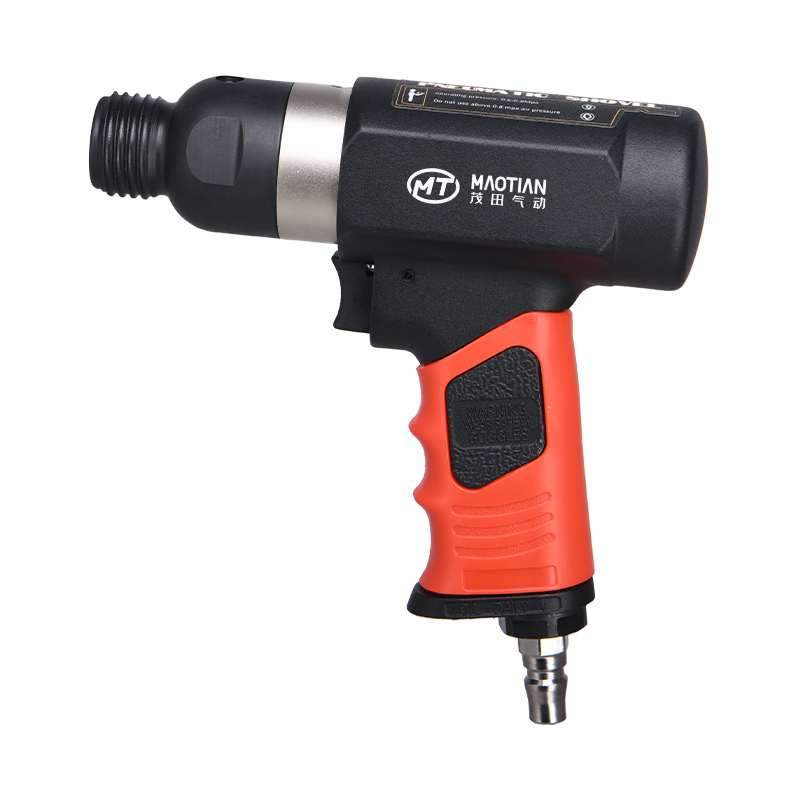
Heavy Duty Medium Barrel Air Hammer
read more -
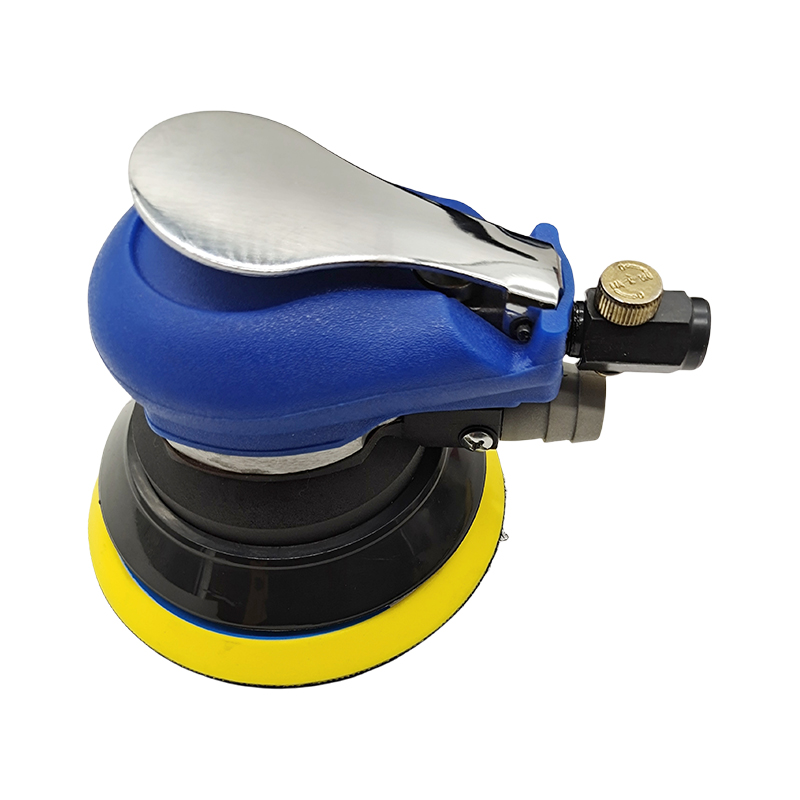
6" Pads And Sandpaper Air Random Orbital Polisher For Metal
read more -
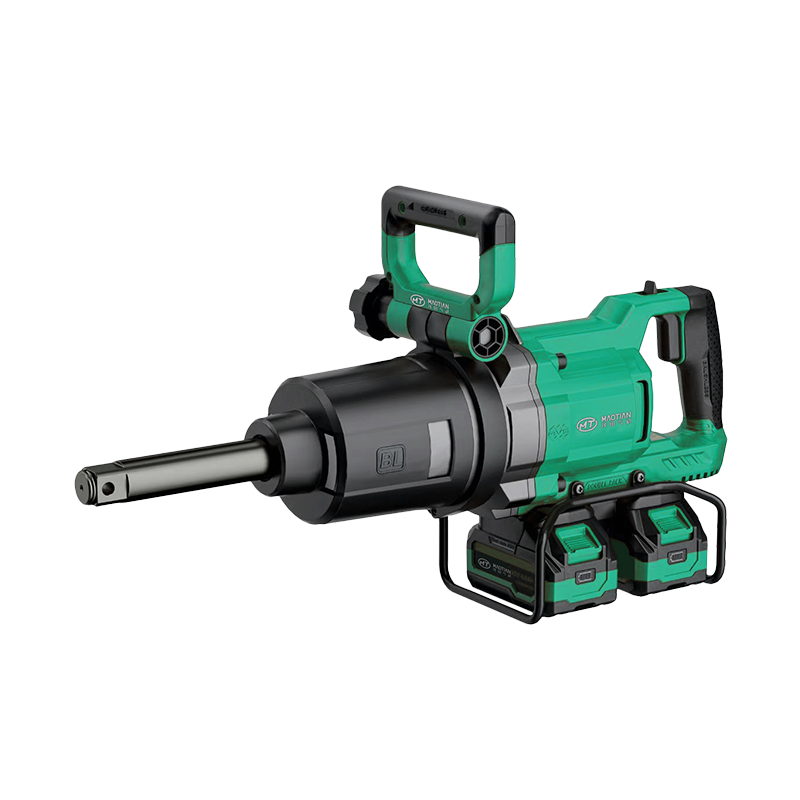
Ultra Duty 40V Strong Power Brushless 1" Li-ion Impact Wrench
read more -
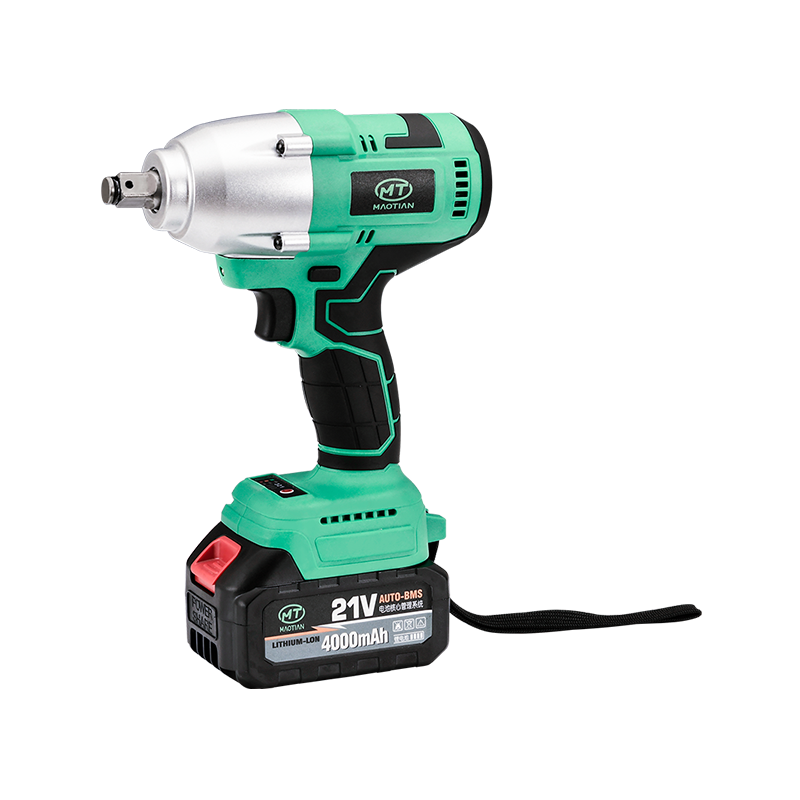
1/2" 20V Brushless Lightweight Li-ion Impact Wrench
read more -
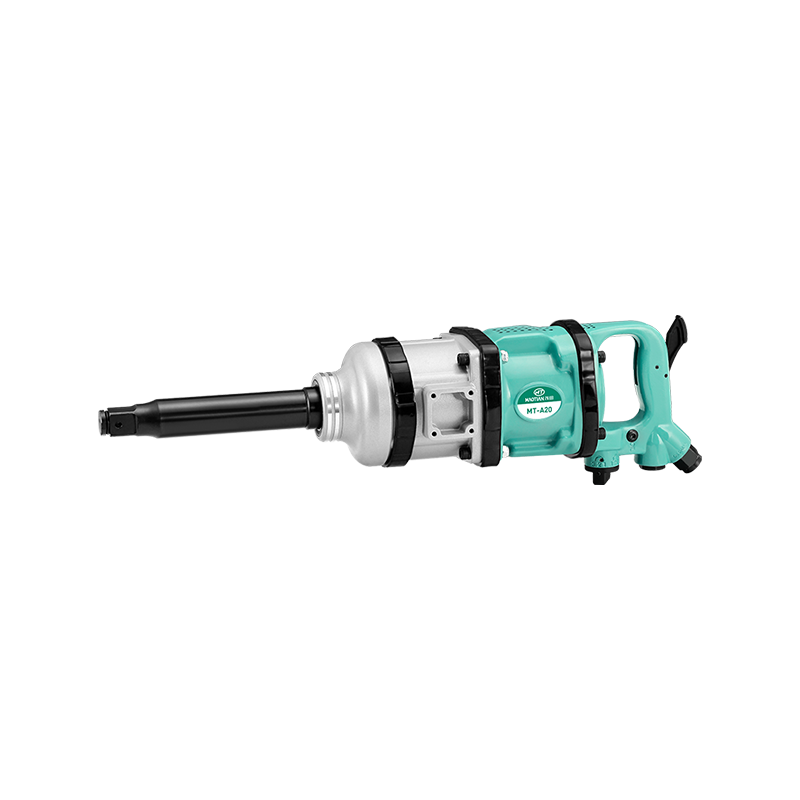
1" Heavy Duty Pinless Clutch Air Impact Wrench
read more -
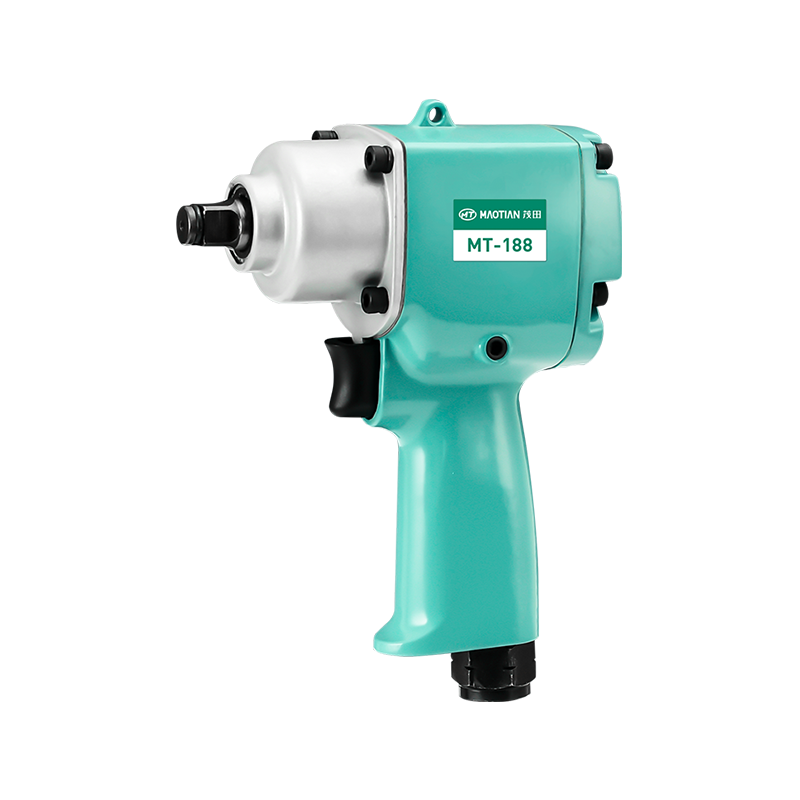
3/8 Inch Stubby Mini Air Impact Gun
read more
Contact
-
Official Address
Building 4, No. 1169, Jiutang South Road, Sanjia Street, Taizhou Bay New District, Taizhou City, Zhejiang , China.
-
Email Us
zoe@maotian-airtool.com
-
Call Us
+86 18815202028 (Zoe Sales Manager )
+86-576-82737789


Copyright © Taizhou Maotian Pneumatic Tools Co., Ltd.
Industrial Pneumatic Tools Factory


