

 中文简体
 Español
 عربى

Why Choose 1 Pneumatic Impact Wrench For Repeated Fastening Jobs
Why Do Repeated Fastening Jobs Rely on a 1 Pneumatic Impact Wrench in Work Environments?
Fastening work in workshops or assembly areas rarely happens as a single action. One bolt leads to another, then another, often across the same structure. At the beginning, the motion feels simple. After a long stretch, the repetition becomes the real challenge, not the tightening itself.
A 1 Pneumatic Impact Wrench is often chosen in this kind of work because the task keeps looping. Same action, different points, sometimes in awkward positions or narrow gaps. A hand tool can do the job, yet repeating that effort again and again starts to slow down movement and change how the hand feels during work.
In many workstations, fastening is not random. It follows patterns. Frames, panels, housings, and mechanical parts usually come with repeated connection points. That means the tool is not used occasionally, it is used in a steady cycle for a long period.
Common working patterns include:
- Tightening along long metal frames
- Reinstalling parts after maintenance
- Repeating similar fastening points on equipment surfaces
- Assembly steps where components appear in sequence
- Repair work inside narrow mechanical spaces
The key point is repetition. When the same movement continues, small differences in effort start to matter. A tool that behaves in a steady way helps reduce that variation and keeps the work rhythm smoother.
What Makes a 1 Pneumatic Impact Wrench Suitable for Continuous Torque Tasks?
A pneumatic tool works differently from a manual one. A 1 Pneumatic Impact Wrench uses compressed air to create turning force. The hand does not carry all the load. Air pressure supports the internal movement, which changes how each fastening action feels.
In repeated tasks, consistency becomes more important than force peaks. When every bolt receives similar tightening behavior, the overall result feels more even. That matters in structures where many connection points share the same role.
Manual tightening depends on human effort. Grip strength, wrist angle, and small changes in movement can all affect the final tightness. Over time, those small differences add up across many fasteners. Pneumatic systems reduce that gap by taking over part of the force generation.
Inside the tool, air moves through internal paths and drives the impact mechanism. As long as airflow stays stable, rotation feels more uniform from one use to the next. The result is less variation during long cycles of work.
A simple comparison makes the difference clearer:
| Aspect | Manual Tool | 1 Pneumatic Impact Wrench |
|---|---|---|
| Force source | Hand effort | Air pressure support |
| Repetition feel | Changes over time | More steady cycle behavior |
| Physical strain | Builds gradually | More distributed load |
| Work rhythm | Needs frequent adjustment | More continuous motion |
This kind of steady behavior fits work that does not stop after a few actions, but continues through long sequences of similar fastening points.

How Does a 1 Pneumatic Impact Wrench Support Efficiency in Repetitive Work Cycles?
In repeated fastening, time is not only spent on turning bolts. Time is also spent resetting grip, adjusting position, and recovering from strain. A 1 Pneumatic Impact Wrench reduces part of that load, so movement can stay closer to a repeating rhythm.
When each fastening action requires less physical effort, the hand does not need to "reset" after every step. The motion becomes more continuous, almost like a loop. That helps when working across a long line of identical connection points.
Situations where this becomes noticeable:
- Long frame assembly with repeated bolt positions
- Equipment maintenance involving many similar fasteners
- Reassembly after disassembly work
- Mechanical setups with evenly spaced connection points
Fatigue in these tasks builds slowly. Not from one action, but from repetition. Reducing effort per step helps slow that buildup, so the workflow does not feel broken into many small interruptions.
Another part of efficiency is timing between actions. When a tool responds in a steady way, the gap between tightening points becomes shorter. The hand moves from one point to the next without needing extra adjustment.
The work starts to feel less like separate actions and more like a continuous sequence.
How Does Air Power Influence Stability in Fastening Performance?
Air-driven fastening changes the way force behaves during repeated work. A 1 Pneumatic Impact Wrench depends on steady air flow to create rotation and impact inside the tool body. When air delivery stays even, the turning force also stays closer to a stable pattern across repeated fastening points.
Inside the tool, compressed air moves through narrow internal passages and activates the impact system. That movement does not stay isolated to one action. It repeats every time the trigger is engaged, which means airflow consistency becomes part of the overall fastening feel.
When air supply feels stable, torque output tends to follow a smoother line from one fastening action to the next. When airflow fluctuates, the tool response can feel slightly different even if the task looks the same. In repetitive work, that difference becomes noticeable over time.
The link between air and performance can be described in simple terms:
- steady air flow supports steady rotation
- uneven air flow brings small changes in torque feel
- continuous supply keeps work rhythm more uniform
Unlike purely mechanical tightening, where force comes directly from hand movement, pneumatic systems separate force generation from direct physical input. That separation helps reduce variation across long cycles of repeated fastening.
Another effect comes from how force is delivered. Air-powered impact creates motion in short bursts inside the mechanism. Those bursts repeat in a controlled cycle, which can feel more consistent during long sequences of similar tasks compared with manual tightening that depends fully on continuous human input.
What Role Does Ergonomic Structure Play in Long Duration Use?
Repeated fastening is not only about torque or speed. The shape and balance of the tool also affect how long the work can continue without discomfort building in the hand or wrist. A 1 Pneumatic Impact Wrench is often designed with handling stability in mind, since it may be used across extended cycles without long breaks.
Grip shape influences how pressure spreads across the hand. When the handle sits naturally in the palm, movement feels more controlled during repeated actions. If balance shifts too far forward or backward, the wrist needs to compensate more often, which becomes noticeable over time.
Weight distribution also plays a quiet role. A tool that feels evenly balanced reduces small corrections during use. That means the hand does not need to constantly adjust position between fastening points.
Common ergonomic considerations in repetitive fastening work:
- handle angle that supports steady wrist position
- balanced weight to reduce uneven strain
- surface texture that helps maintain grip during long use
- trigger response that follows natural finger movement
These details do not stand out during short tasks. Over longer sequences, they start to influence how smooth the overall workflow feels. Repetition becomes easier to maintain when the tool moves naturally with the hand instead of against it.
How Does a 1 2 Inch Compact Impact Wrench Fit Into Tight Working Spaces?
Not every fastening task happens in open space. Many mechanical and assembly environments involve narrow gaps, angled surfaces, or partially blocked access points. In those situations, a 1 2 Inch Compact Impact Wrench becomes useful because the reduced size allows movement where larger tools cannot easily reach.
Compact structure changes how the tool interacts with its surroundings. Instead of requiring wide clearance, it can fit closer to the fastening point. That becomes important when bolts are placed between parts, inside frames, or near edges where space is limited.
In practical use, compact design supports:
- access to recessed fastening points
- movement in angled positions
- work inside dense mechanical layouts
- reduced obstruction from nearby components
The difference is not only size. A smaller head and shorter body allow the hand to adjust position without forcing surrounding parts to be moved out of the way. That helps maintain workflow continuity in tight environments.
A comparison helps clarify the behavior:
| Aspect | Standard Size Tool | 1 2 Inch Compact Impact Wrench |
|---|---|---|
| Access area | Open spaces | Narrow or recessed points |
| Movement flexibility | Limited in tight zones | Easier positioning |
| Obstruction risk | Higher in dense setups | Reduced interference |
| Handling control | Stable in open work | Better in confined spaces |
In many repair and assembly situations, space is not controlled by the operator. The tool has to adapt to the available gap. Compact design supports that adaptation without breaking the fastening rhythm.
What Differences Exist Between Standard Pneumatic Tools and Compact Impact Variants?
Pneumatic tools share a similar working principle, though size and structure change how they behave in real use. Standard tools usually provide more general coverage, while compact impact versions focus on access and movement flexibility.
A 1 Pneumatic Impact Wrench in compact form tends to feel lighter in hand movement and easier to position in restricted areas. Standard tools, while stable, may require more open space to operate comfortably.
Key differences often appear in daily work like this:
- compact tools move more easily in tight assembly zones
- standard tools feel more stable in open fastening areas
- compact design supports angled approaches
- standard design supports broader surface work
The choice often depends on workspace layout rather than force alone. In environments where parts are close together, compact structure reduces the need to adjust surrounding components before fastening.
In repeated tasks, that difference becomes part of workflow speed. Less repositioning means smoother transitions between fastening points, especially when working across complex structures.
Product Recommendations
-
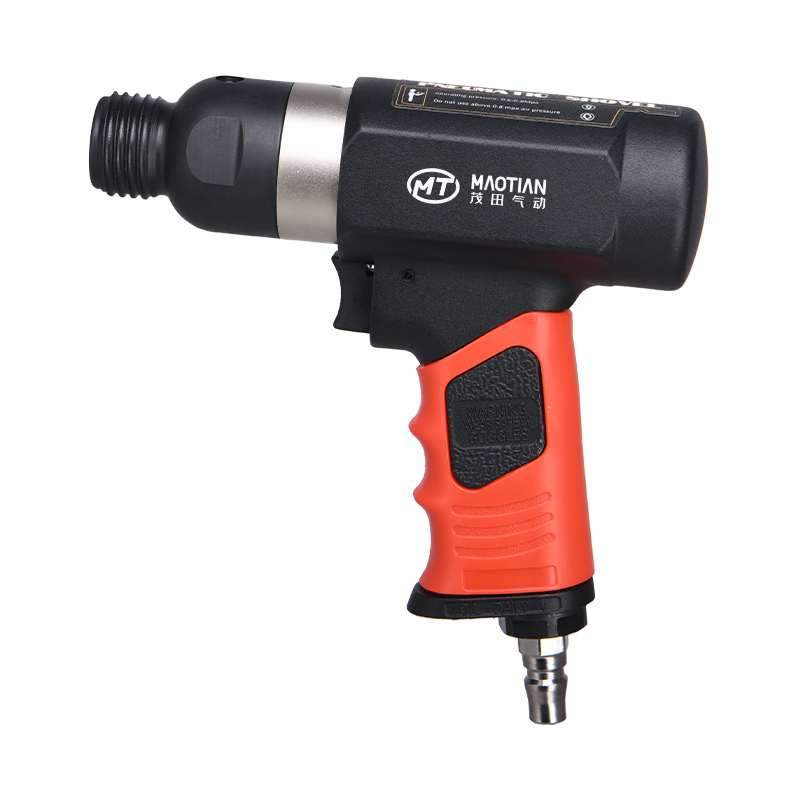
Heavy Duty Medium Barrel Air Hammer
read more -
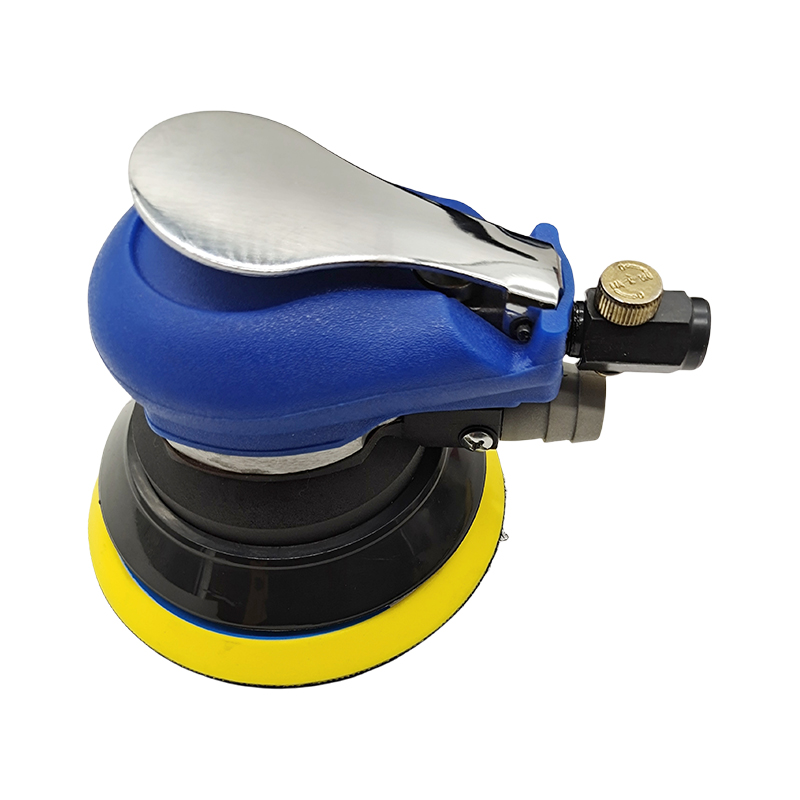
6" Pads And Sandpaper Air Random Orbital Polisher For Metal
read more -
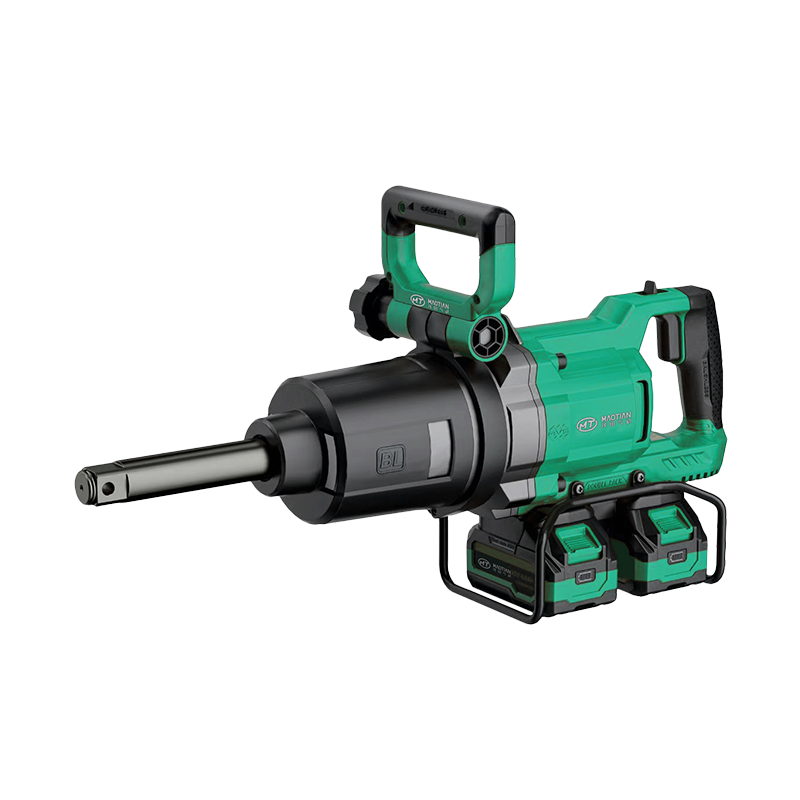
Ultra Duty 40V Strong Power Brushless 1" Li-ion Impact Wrench
read more -
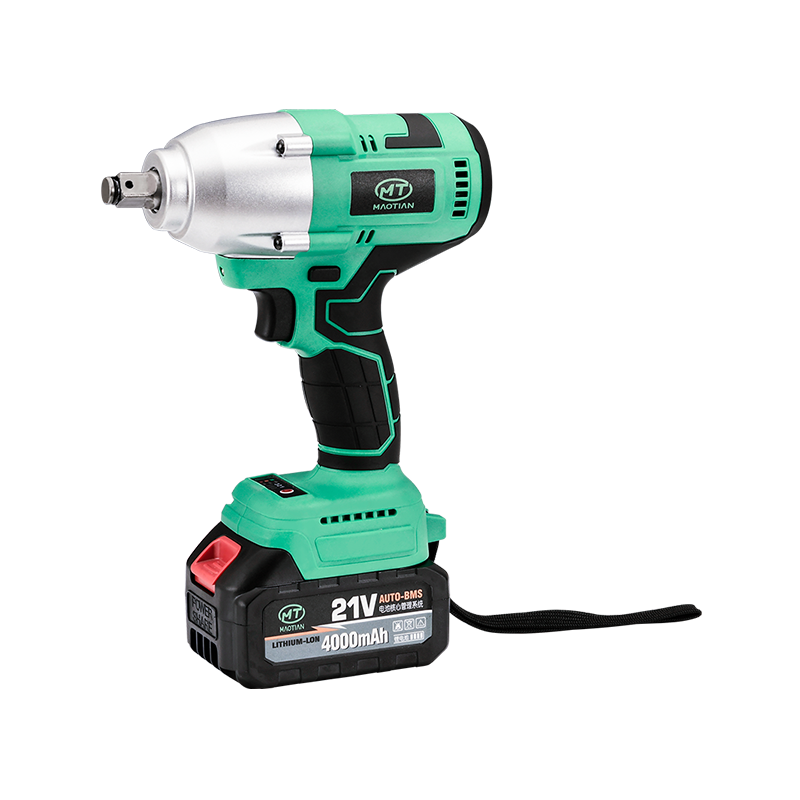
1/2" 20V Brushless Lightweight Li-ion Impact Wrench
read more -
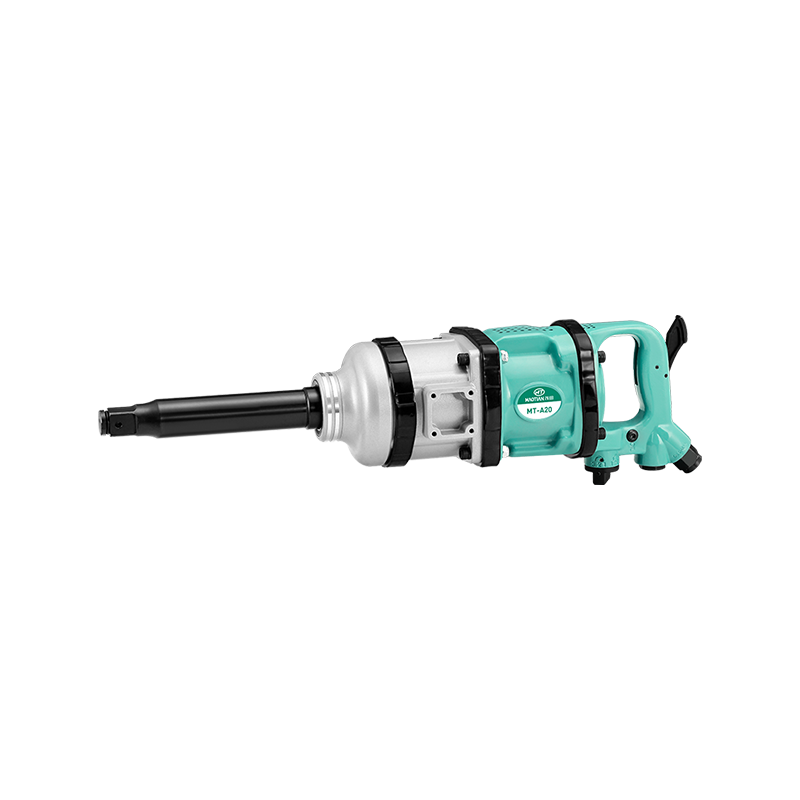
1" Heavy Duty Pinless Clutch Air Impact Wrench
read more -
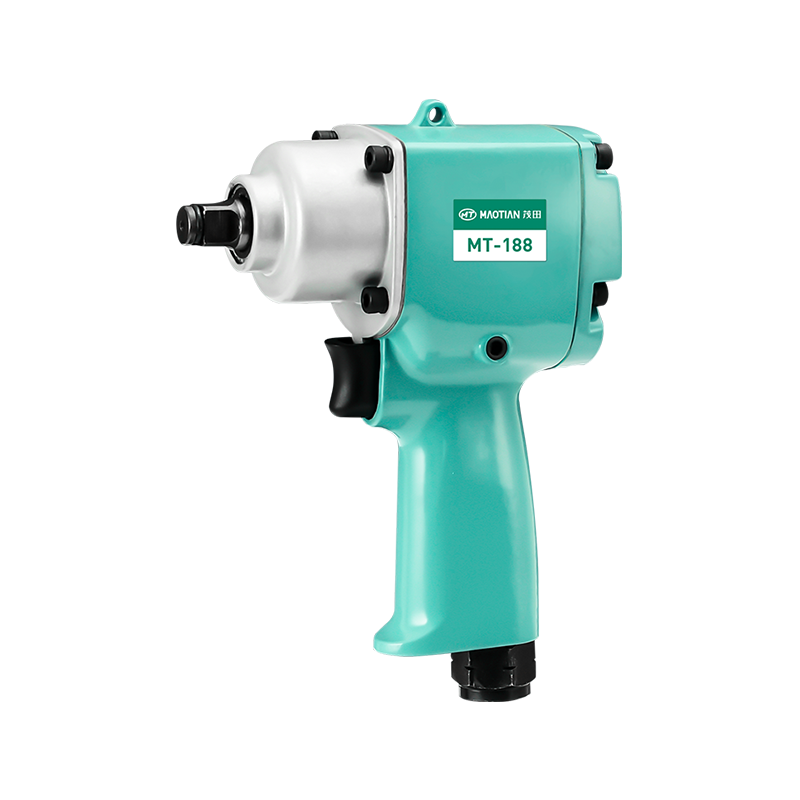
3/8 Inch Stubby Mini Air Impact Gun
read more
Contact
-
Official Address
Building 4, No. 1169, Jiutang South Road, Sanjia Street, Taizhou Bay New District, Taizhou City, Zhejiang , China.
-
Email Us
zoe@maotian-airtool.com
-
Call Us
+86 18815202028 (Zoe Sales Manager )
+86-576-82737789


Copyright © Taizhou Maotian Pneumatic Tools Co., Ltd.
Industrial Pneumatic Tools Factory


