

 中文简体
 Español
 عربى

Which Way To Choose Between Industrial And Heavy Duty Air Wrench
Air-powered wrenches are used across workshops, maintenance areas, assembly operations, and equipment repair. Although different tools may look similar at a glance, their working forms can vary according to the space, fastener, and operating routine involved.
Choosing between an industrial-style tool and a heavy-duty design is therefore not simply a matter of comparing appearance. The size of the fastener, available working space, frequency of use, and way the tool is handled can all affect which arrangement fits a particular task.
A Heavy Duty Air Ratchet Wrench is generally associated with tasks where controlled ratcheting movement and access around confined areas matter. An Industrial Air Impact Wrench, on the other hand, can be considered for work where impact action and a more open working area are part of the job.
Why Does the Choice Between Industrial and Heavy Duty Air Wrenches Matter
Different maintenance and assembly tasks place different demands on a hand tool. A workshop repairing machinery may deal with fasteners positioned between components, while an assembly area may offer a more open working position.
The position of the fastener affects how the tool can approach the connection. A tool with a compact head may be easier to position around nearby parts, while a larger body may require more room for movement.
Operator handling also matters. A wrench needs to be held at a suitable angle, and the surrounding equipment should not force the operator into an awkward position. The shape of the handle, control placement, and overall balance can influence how naturally the tool fits into the work process.
Several practical factors can be considered before choosing a tool:
- Location and size of the fastener
- Available space around the work area
- Frequency of tightening or removal
- Required working direction
- Air supply arrangement
- Tool weight and handling position
- Maintenance conditions
The workpiece itself should also be considered. A tool used on a small assembly may need different handling characteristics from one used during machinery repair.
In some cases, the same workshop may need more than one type of air wrench because different tasks involve different access conditions. The useful question is not which tool belongs to one category, but which structure matches the work being performed.
How Does a Heavy Duty Air Ratchet Wrench Fit Different Work Areas
A Heavy Duty Air Ratchet Wrench uses a ratcheting arrangement that can be useful when the working area limits hand movement. Instead of requiring a large swinging motion, the tool can operate through repeated controlled movement around the fastener.
This characteristic can matter when nearby components leave little room for a long handle movement. Machinery frames, vehicle assemblies, brackets, and other compact structures may place fasteners in positions where access is more important than open working space.
The head shape and overall length should still be considered. A compact working area may require the tool head to approach the fastener without touching nearby parts.
The connection between the socket and fastener also needs attention. The tool should be positioned in a way that keeps the working direction reasonably aligned with the connection. Forcing the tool sideways can make handling less comfortable and may place unnecessary stress on the working parts.
A practical working sequence may involve:
- Checking the fastener and surrounding area.
- Choosing a suitable socket and tool arrangement.
- Positioning the tool around the connection.
- Keeping the handle in a controlled position.
- Operating the tool without forcing it against nearby components.
- Checking the fastener after the operation.
The ratchet form can also be useful when repeated fastening tasks are carried out in a restricted area. However, the tool still needs enough clearance for the operator to position it safely.
The choice becomes different when the working environment provides more open space and the task calls for an impact-style tool.
When Is an Industrial Air Impact Wrench More Suitable for Workshop Tasks
An Industrial Air Impact Wrench can fit workshop tasks where fasteners are positioned in areas with enough room for the tool and operator to work comfortably. Equipment maintenance, assembly work, and mechanical repair may involve larger connections or components that allow a more direct approach.
The impact action changes how the tool interacts with the fastener. Instead of relying on repeated manual movement, the air-powered mechanism transfers force through the tool during operation.
Working conditions still determine whether the arrangement makes sense. A tool that fits well in an open machinery area may be inconvenient when access is restricted by pipes, brackets, panels, or nearby assemblies.
Weight is another consideration. A heavier tool may require more attention to holding position during repeated work. The available air supply also needs to match the tool's operating requirements.
Workshop conditions can vary considerably. A repair area may contain dust, oil, moisture, or other materials that come into contact with hand tools. Storage and routine cleaning therefore form part of normal tool care.
| Working Condition | Tool Selection Consideration |
|---|---|
| Restricted access | Consider compact handling and ratcheting movement |
| Open equipment area | Consider direct access and impact operation |
| Repeated fastening | Consider weight, grip, and operating comfort |
| Mixed repair tasks | Consider whether different tool forms are needed |
| Dusty or damp environment | Consider cleaning and storage requirements |
How Should Torque Requirements Influence Tool Selection
Fasteners do not all require the same amount of tightening force. Their size, material, connection design, and surrounding components can affect how much force is appropriate.
Tool selection should therefore begin with the requirements of the actual connection. Choosing a wrench simply because it has a larger stated output does not automatically make it suitable for every task. Excessive force can be inappropriate for some assemblies, while insufficient force may not complete the intended fastening operation.
The condition of the fastener matters as well. A worn, damaged, or contaminated connection may behave differently from a clean and properly prepared one.
The work process should also distinguish between tightening and removal. A tool used to loosen a connection may face different resistance from one used during normal assembly.
When comparing air wrenches, it is useful to consider:
- Fastener size and condition
- Material of the connected parts
- Required tightening procedure
- Available space around the connection
- Whether the task involves installation or removal
- Tool control during operation
A suitable tool should match the fastening requirements without relying on a single specification. The relationship between force, access, handling, and the condition of the workpiece provides a more practical basis for selection.
This also creates a natural link to working space. Even when the required force is understood, a tool still needs enough room to reach the fastener and remain in a workable position.

How Does Working Space Affect Air Wrench Selection
Working space can change how an air wrench is positioned around a fastener. A connection placed near a frame, pipe, panel, or bracket may leave little room for the operator to move the tool. An open assembly area creates a different handling condition.
Tool length and head shape both matter in restricted areas. A longer body may be difficult to position when nearby components limit movement, while a compact arrangement can provide more room around the connection.
The direction of approach should also be considered. A fastener may be accessible from one side but difficult to reach from another. Before choosing a tool, it can help to look at the complete path from the operator's hand to the connection.
Common space-related considerations include:
- Distance between the fastener and nearby components
- Clearance around the tool head
- Room available for hand movement
- Position of pipes, brackets, and panels
- Access to the fastener from different directions
- Space needed to remove the tool after operation
A Heavy Duty Air Ratchet Wrench can be useful in work areas where repeated ratcheting movement fits the available space. Its working position still needs to be checked against nearby parts, since a compact tool does not remove the need for suitable clearance.
An Industrial Air Impact Wrench may fit a more open working position where the operator can bring the tool directly toward the fastener. When the workspace becomes restricted, however, the overall size and approach angle may require closer consideration.
The work environment can also change during maintenance. Panels may be removed during repair and then replaced afterward, creating different access conditions at different stages. Tool selection should therefore consider the actual operation rather than relying only on the appearance of the equipment.
Space is closely related to working frequency as well. A tool that feels manageable during an occasional repair may feel different when it is held and operated repeatedly throughout a work shift.
What Role Does Working Frequency Play in Choosing an Air Wrench
The frequency of use can influence how much attention should be given to weight, grip, control position, and maintenance.
Occasional repair work may involve short periods of tool operation followed by storage. Repeated assembly work creates a different routine, with the operator handling the tool again and again while moving between connections.
A tool used frequently should fit the operator's working position without creating unnecessary strain. Handle shape and balance can affect how the wrench is held, particularly when the work involves different angles.
Air supply conditions also become relevant during repeated operation. Hoses and connections need to remain arranged without creating obstacles around the work area. A hose that crosses a working path can interfere with movement and may also be exposed to friction.
For regular use, attention can be given to:
- Tool weight and balance
- Handle position
- Control accessibility
- Hose routing
- Working angle
- Cleaning routine
The pace of work should not be separated from maintenance. Frequent operation can expose the tool to more dust, oil, vibration, and physical contact. Cleaning and inspection can therefore become part of the normal workflow rather than an occasional task.
A Heavy Duty Air Ratchet Wrench may suit repeated fastening tasks where access and ratcheting movement are useful. An impact-style tool may fit another workflow where direct access and impact operation are more appropriate.
Neither approach removes the need to consider the person operating the tool. The same wrench can feel different depending on the workbench height, fastener position, and duration of the task.
Once the working routine is clear, maintenance conditions become another practical part of the selection process.
What Maintenance Conditions Should Be Considered for Air Wrenches
Air-powered tools depend on more than their internal working parts. The air supply, hose, connections, controls, and external housing all need suitable care.
Clean working conditions can still produce dust and small particles around a workshop. Repair areas may also expose tools to oil or moisture. Leaving residue on the tool can make inspection more difficult and may affect areas that need to remain clean.
The air connection should be checked for visible damage or looseness. Hoses should also be kept away from sharp edges and heavy objects. A damaged connection can affect the working process and create an unnecessary maintenance issue.
The tool housing deserves routine attention as well. Cracks, loose components, damaged controls, or unusual movement can indicate that inspection is needed before continued use.
A basic maintenance routine can include:
- Disconnecting the air supply before inspection.
- Checking the hose and connection area.
- Cleaning visible dirt and residue.
- Inspecting the housing and controls.
- Checking the working attachment for wear or damage.
- Storing the tool in a dry and suitable location.
Lubrication requirements should follow the manufacturer's instructions rather than being handled in the same way for every air wrench. Different tool designs can have different care requirements.
Storage conditions also matter. Leaving a tool in a damp or dirty area can expose it to conditions that are different from those during normal operation. A suitable storage location makes later inspection easier and reduces unnecessary contact with other equipment.
Maintenance can influence tool selection because a design that is difficult to inspect may require more effort during routine care. Clear access to connection areas, controls, and external surfaces can make everyday handling more manageable.
The final selection therefore brings together the working area, fastening requirements, operating frequency, and maintenance routine.
Which Way Should Buyers Choose Between Industrial and Heavy Duty Air Wrenches
Choosing between different air wrench designs works better when the decision begins with the actual task. The name of a tool category does not describe every working condition, and similar tools can serve different purposes depending on their structure.
A Heavy Duty Air Ratchet Wrench can be considered when restricted access, repeated fastening, and controlled ratcheting movement form part of the work. An Industrial Air Impact Wrench can be considered where direct access, impact operation, and a more open working position suit the task.
The comparison can be organized around several practical questions:
- Working space: Is the fastener surrounded by other components?
- Fastening task: Is the tool mainly used for installation, removal, or both?
- Force requirement: What does the connected assembly require?
- Working frequency: Will the tool be used occasionally or repeatedly?
- Handling: Does the weight and grip suit the operator's working position?
- Air supply: Can the hose and connection arrangement support the intended workflow?
- Maintenance: Can the tool be cleaned, inspected, and stored without difficulty?
A workshop may also have several types of fastening work. In that situation, using the same tool for every connection may not provide the most practical arrangement. Different work areas can call for different tool shapes and operating methods.
Product instructions and manufacturer specifications should be checked before purchase, particularly for air requirements, compatible accessories, operating procedures, and maintenance conditions. The actual workpiece should remain the reference point when comparing tools.
The choice between an industrial and heavy-duty air wrench is therefore tied to the relationship between the tool and its working environment. Access, fastening requirements, operator handling, frequency of use, and maintenance all contribute to whether a particular design fits the intended task.
Rather than selecting by appearance or a single specification, buyers can compare these conditions together and choose an air wrench whose structure matches the way the tool will actually be used.
Product Recommendations
-
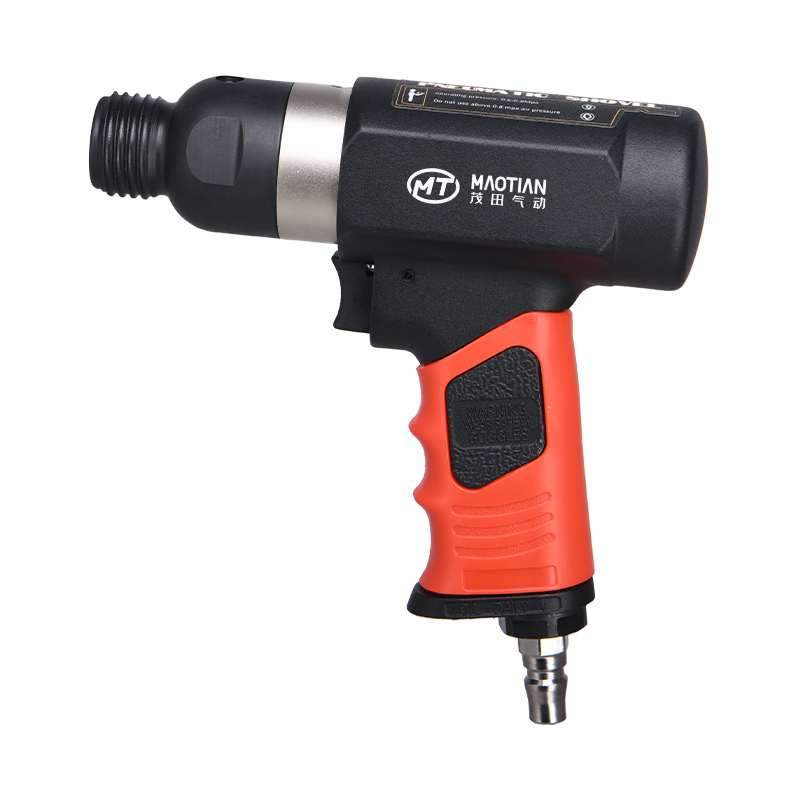
Heavy Duty Medium Barrel Air Hammer
read more -
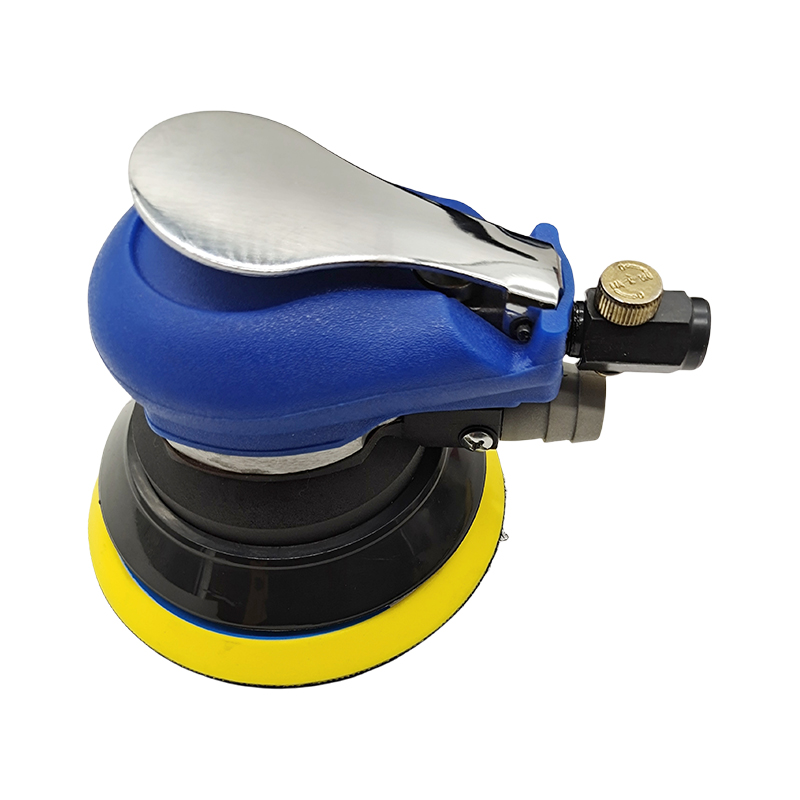
6" Pads And Sandpaper Air Random Orbital Polisher For Metal
read more -
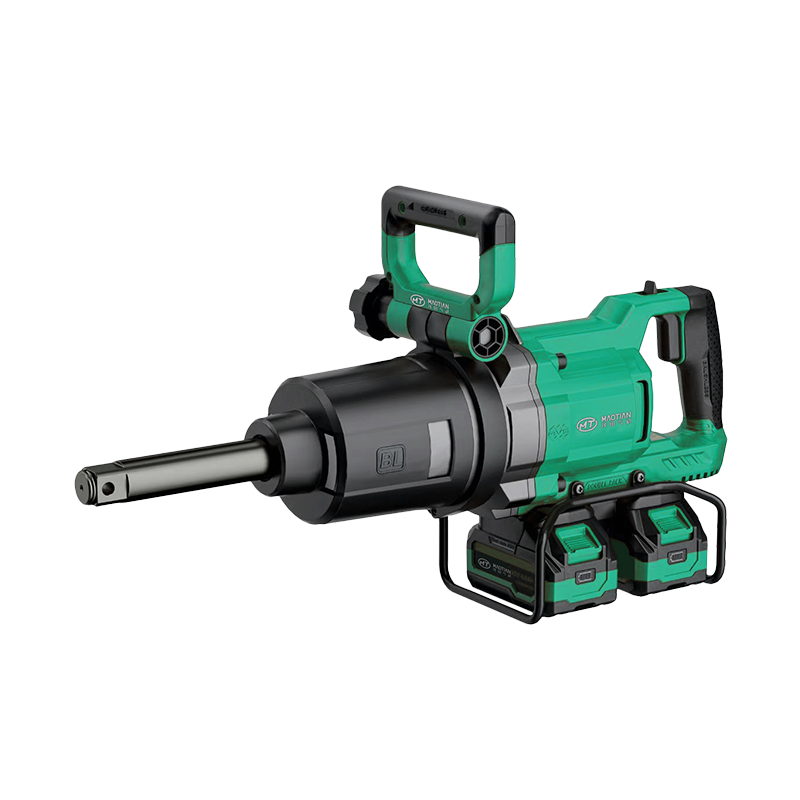
Ultra Duty 40V Strong Power Brushless 1" Li-ion Impact Wrench
read more -
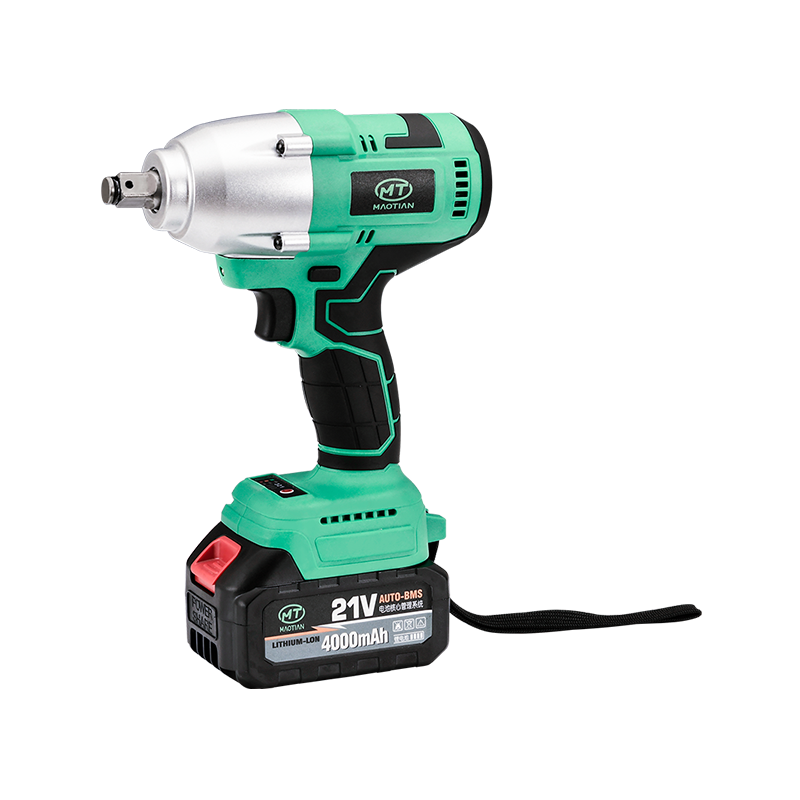
1/2" 20V Brushless Lightweight Li-ion Impact Wrench
read more -
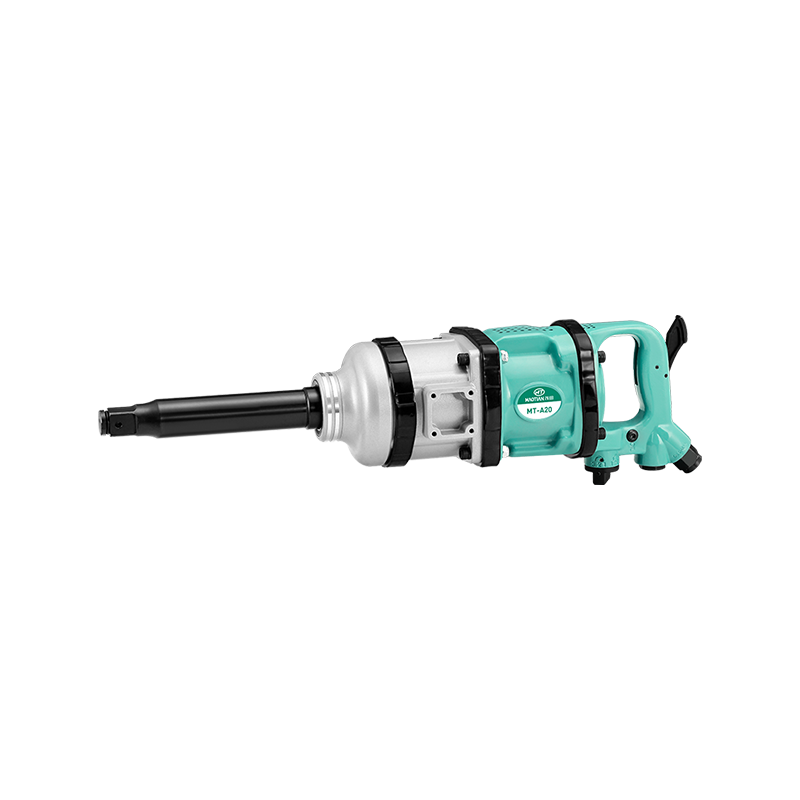
1" Heavy Duty Pinless Clutch Air Impact Wrench
read more -
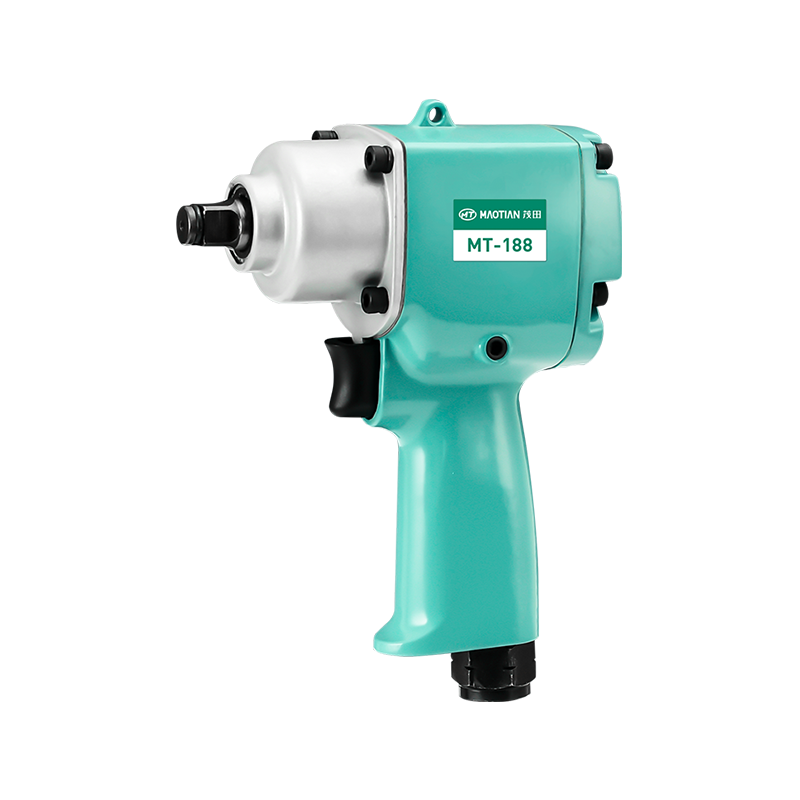
3/8 Inch Stubby Mini Air Impact Gun
read more
Contact
-
Official Address
Building 4, No. 1169, Jiutang South Road, Sanjia Street, Taizhou Bay New District, Taizhou City, Zhejiang , China.
-
Email Us
zoe@maotian-airtool.com
-
Call Us
+86 18815202028 (Zoe Sales Manager )
+86-576-82737789


Copyright © Taizhou Maotian Pneumatic Tools Co., Ltd.
Industrial Pneumatic Tools Factory


