

 中文简体
 Español
 عربى

What Way Improves Durability Of Heavy Duty Air Ratchet Wrench
A pneumatic ratchet wrench works in an environment where repeated movement, vibration, and changing loads are common. The outer housing may remain intact while internal parts gradually experience wear. Durability is consequently related to the condition of the entire tool rather than a single visible component.
A Heavy Duty Air Ratchet Wrench is generally used where fastening work places considerable mechanical demand on the drive mechanism. Repeated operation creates friction between moving parts, while sudden changes in resistance can place additional stress on the internal assembly.
Working conditions also make a difference. A tool used in a clean workshop faces different challenges from one exposed to dust, moisture, oil residue, or outdoor debris. Temperature and ventilation around the working area can influence operating conditions as well.
Handling habits have a similar effect. Applying excessive force, operating against a seized fastener, or continuing to use a tool after unusual vibration appears can increase mechanical strain. The air tool is designed to provide rotational movement, but it should not be treated as a substitute for every form of force application.
Several conditions are worth reviewing when considering long-term operation:
- Frequency of tool use
- Type of fastening work
- Resistance encountered during operation
- Cleanliness of the working environment
- Condition of the compressed air supply
- Lubrication condition
- General state of moving parts
Durability also involves consistency. A tool that runs smoothly places less unnecessary stress on its internal components than one that repeatedly starts, stops, vibrates, or loses power during operation.
Storage between working periods should not be overlooked. Dust entering through exposed air passages can remain inside the tool and later mix with lubricant. Moisture can create another source of deterioration when the tool is stored without adequate protection.
A durable operating routine is built around suitable workload, clean air, proper lubrication, and timely inspection. Mechanical condition changes gradually, so small signs such as unusual sound or reduced smoothness can provide useful clues before more visible damage develops.
How Does Working Load Affect Tool Durability
Mechanical load is closely connected with how an air ratchet wrench wears over time. Every fastening operation creates resistance at the drive end. When that resistance remains within the intended working range, the internal mechanism can transfer movement in a controlled manner.
Problems may arise when the tool is repeatedly exposed to resistance beyond its intended application. Excessive load can increase stress on gears, bearings, shafts, and other moving components. Sudden resistance is also different from a steady fastening load because the mechanical force changes quickly.
A common example occurs when a fastener is difficult to release. The tool may continue operating while the fastener remains stationary. The resulting strain is not necessarily visible from outside, yet repeated attempts can affect the condition of internal parts.
Continuous operation creates another consideration. Friction generates heat within moving components, and extended use gives that heat less opportunity to dissipate. Proper air supply and lubrication help control operating conditions, but workload still needs to match the tool's intended purpose.
Tool handling can reduce unnecessary mechanical stress. Useful habits include:
- Selecting a suitable tool for the fastening task
- Avoiding excessive downward or sideways force
- Keeping the drive end properly aligned with the fastener
- Stopping operation when abnormal resistance appears
- Checking unusual noise or vibration before continued use
Alignment deserves particular attention. When the tool is held at an angle against the fastener, force is no longer concentrated along the intended working direction. Side loading can place additional stress on the drive area and surrounding components.
The fastening accessory also affects the mechanical relationship. A damaged or poorly matched socket can introduce uneven contact and transmit irregular force into the tool.
Working load is therefore not simply a question of how much force a tool can produce. The way that force reaches the fastening point matters as well. Controlled alignment, suitable accessories, and appropriate task selection can reduce unnecessary strain during repeated operation.

What Role Does Compressed Air Quality Play
A pneumatic tool depends on compressed air for its operating movement. Air quality influences the internal environment because moisture, dust, and other contaminants can travel through the air path.
Moisture is a common concern. Compressed air may contain water vapor that later condenses inside the air system. When moisture reaches internal components, it can contribute to corrosion or interfere with lubrication.
Dust and small particles create another problem. Contaminated air can carry abrasive material into moving areas, where particles may combine with lubricant and increase friction.
Stable airflow matters too. A restricted hose, leaking connection, or contaminated inlet can reduce the amount of air reaching the tool. The resulting change may appear as weaker operation, uneven rotation, or inconsistent response.
| Air Condition | Possible Effect | Inspection Focus |
|---|---|---|
| Moisture | Corrosion or lubricant deterioration | Air inlet and internal condition |
| Dust | Increased friction and wear | Air path and filter condition |
| Restricted Flow | Reduced operating response | Hose and connections |
| Air Leakage | Unstable operation | Joints and fittings |
| Contaminated Supply | Internal surface contamination | Air preparation system |
The air hose should be kept in suitable condition as well. Cracks, damaged sections, or loose connections can affect airflow and allow contaminants to enter the system.
Clean air does not mean simply filtering visible particles. Moisture management and connection condition also influence what eventually reaches the tool. A clean working environment around the compressor and air lines can further reduce contamination.
When the tool behaves differently from its normal operating condition, the air supply should be considered alongside mechanical causes. Reduced movement does not always indicate internal damage; restricted airflow or a leaking connection can produce similar symptoms.
For a Heavy Duty Air Ratchet Wrench, air quality becomes part of routine care rather than an isolated workshop concern. The internal mechanism depends on the condition of the air entering the tool, so the supply path deserves regular attention.
How Does Lubrication Support Long Term Operation
Moving parts cannot operate indefinitely without friction. Lubrication creates a film between contacting surfaces, helping reduce direct rubbing during repeated movement.
The type and amount of lubricant matter. Insufficient lubrication can allow friction and heat to increase, while excessive lubricant may collect dust or interfere with normal air movement. Adding more material does not automatically create better operating conditions.
Lubrication also changes with use. Some lubricant gradually leaves the internal mechanism through the air path, while some remains around moving components. Contaminants can alter its condition over time.
A practical lubrication routine should consider:
- Manufacturer-specified lubricant requirements
- Cleanliness of the lubricant
- Condition of the air supply
- Frequency of tool operation
- Signs of unusual friction or noise
- Storage conditions between uses
Applying lubricant to the wrong location can create another problem. External surfaces may appear oily without providing useful protection to internal moving areas. Lubrication should follow the intended maintenance method rather than relying on visible oil residue as an indicator.
Too little lubrication may produce a dry or rough operating sound. Excessive lubricant can sometimes be expelled through the exhaust area and settle around the tool or work surface.
Temperature also affects lubricant behavior. Changes in operating conditions can alter how easily the lubricant moves through the internal mechanism. A suitable maintenance practice takes the working environment into account rather than applying the same approach under every condition.
Lubrication works together with clean compressed air and controlled mechanical load. Heavy Duty Air Ratchet Wrench operation places repeated movement on internal parts, making friction management an important part of maintaining the tool's working condition.
How Can Gear And Ratchet Components Be Protected
A ratchet wrench may sound normal during one job and behave differently during the next. A faint clicking change, uneven rotation, or extra movement around the drive end can sometimes appear before obvious damage becomes visible. Internal wear often develops gradually, so changes in operating feel deserve attention rather than being ignored.
Fasteners that refuse to move are another warning sign. When the drive remains under resistance while the tool continues running, force is concentrated around the internal mechanism. Repeated attempts to release a seized connection can place unnecessary stress on gears and ratchet components.
Tool position matters during this type of work. A drive that sits at an angle can push sideways against the connection instead of transferring movement along the intended direction. The result may be uneven contact between the accessory and fastener, with additional strain around the drive area.
Several simple habits help protect the mechanism:
- Keep the drive properly aligned with the fastener.
- Stop when a connection remains fixed despite continued tool operation.
- Check an accessory when unusual movement appears at the drive end.
- Avoid using the tool as a substitute for manually applying excessive force.
- Investigate new vibration or sound before returning to normal operation.
Cleanliness also affects internal wear. Dust around the air inlet can enter the tool during operation, while dirty lubricant may carry small particles toward moving surfaces. Wiping the housing and keeping the inlet area clean is a small task, yet it removes a source of contamination before it reaches the mechanism.
A Heavy Duty Air Ratchet Wrench used in repair or assembly work may encounter different resistance from one task to another. Treating every fastening problem in the same way can place unnecessary stress on the ratchet assembly.
What Maintenance Practices Help Reduce Wear
Maintenance becomes easier when inspection is tied to recognizable changes in tool behavior. Waiting for a complete loss of power can make a relatively simple issue harder to identify.
After a working period, the air inlet is worth checking for dirt or residue. Hoses and fittings also deserve a quick look. A loose connection may produce reduced airflow, while a damaged hose can make the tool appear weaker even though the internal mechanism remains in usable condition.
Operating sound provides another useful clue. A new grinding sound, irregular rotation, or noticeable vibration should not be treated as normal simply because the tool still functions. Continued use under abnormal conditions may increase wear on parts that were not originally damaged.
A straightforward inspection routine can cover:
- Air inlet cleanliness
- Hose and fitting condition
- External housing damage
- Drive-end movement
- Unusual vibration
- Changes in operating sound
- Lubrication condition
- Signs of air leakage
The working environment determines how often these checks need attention. Dust from grinding or machining can settle around air tools quickly. Moist areas create a different concern, particularly when tools remain connected to an air system between tasks.
Storage is part of maintenance as well. An air ratchet left on a dirty workshop floor is exposed to dust, moisture, accidental impact, and contamination around the air connection. Keeping the tool in a dry and reasonably clean location reduces those avoidable sources of deterioration.
Lubrication deserves practical judgment rather than simply adding lubricant whenever the tool sounds dry. Excess material may collect contaminants around the exhaust area, while insufficient lubrication leaves moving surfaces with less protection. Maintenance instructions supplied for the specific construction should guide the lubrication method.
An Air Ratchet Wrench Factory can also provide service information covering cleaning, lubrication, storage, and inspection. Following a consistent maintenance method makes it easier to distinguish normal wear from a change that requires further attention.
What Should Be Considered When Selecting Materials And Structure
The outer body receives plenty of attention because it is easy to see, yet internal construction has a large effect on working durability. A tool may have a solid housing while still developing problems around the drive mechanism, air passage, or moving components.
Different parts experience different working conditions. The housing deals with handling, vibration, and accidental contact. Gears and shafts repeatedly transfer rotational movement. Ratchet components experience changing resistance when fastening direction changes. Connection areas receive force from both the tool and the attached accessory.
Material selection needs to match these conditions. A material suitable for an outer housing does not automatically suit a moving internal part. Surface condition, fit between components, and support around moving areas also influence how the assembly behaves.
Structural balance matters during repeated operation. Excessive movement between parts can create uneven contact. Poor support can allow vibration to travel through the housing. An air passage that is difficult to keep clean can also introduce maintenance problems over time.
Service access is another practical consideration. When inspection areas are difficult to reach, routine maintenance may be skipped. A structure that allows worn components to be checked without unnecessary disassembly can make servicing more manageable.
When evaluating construction, attention can be given to:
- Support around moving components
- Stability of the drive assembly
- Protection of the air passage
- Resistance to repeated vibration
- Condition of connection points
- Accessibility for routine inspection
An Air Ratchet Wrench Factory has to translate these design decisions into physical components that fit together consistently. Machining, part inspection, assembly, and operating checks all influence the final working condition of the tool.
How Does An Air Ratchet Wrench Factory Influence Durability
A tool's working life is affected by what happens before it reaches the workshop. Components that appear acceptable individually may still create problems when their fit or alignment is inconsistent during assembly.
Production inspection can look beyond external appearance. The drive mechanism needs to move correctly, the air path needs to remain unobstructed, and connected components need to sit securely in their intended positions. Operating checks can reveal irregular sound, vibration, airflow, or movement that may not be obvious from a visual inspection.
Manufacturing consistency is particularly relevant to moving assemblies. Gears, shafts, and ratchet parts work as a group. A small fitting problem in one area can change the way force travels through the mechanism, which may later appear as noise, vibration, or uneven operation.
A practical production check may include:
- Inspection of mechanical components
- Verification of assembly position
- Air passage inspection
- Drive movement checks
- Connection checks
- Running operation checks
- Review of abnormal noise or vibration
Application conditions should also be considered during production. A tool intended for repeated fastening work may encounter sustained mechanical load, while another application may expose the tool to dust, moisture, or frequent changes in resistance. Construction and inspection priorities need to reflect those working conditions.
For an Air Ratchet Wrench Factory, durability is closely connected with process consistency as well as component selection. Accurate assembly, suitable inspection, and application-aware production practices help reduce avoidable mechanical problems before the tool enters service.
For a Heavy Duty Air Ratchet Wrench, durability is not determined by one part alone. Load handling, air cleanliness, lubrication, operating habits, maintenance, structural support, and production quality all influence how the tool performs during repeated work. A practical maintenance routine keeps those factors visible instead of waiting for a noticeable failure.
Product Recommendations
-
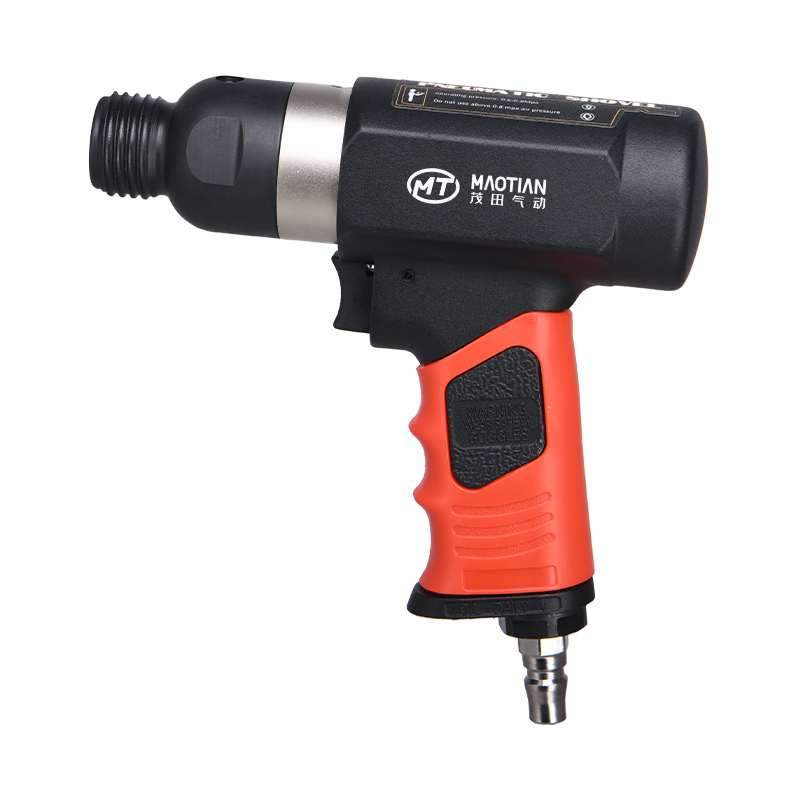
Heavy Duty Medium Barrel Air Hammer
read more -
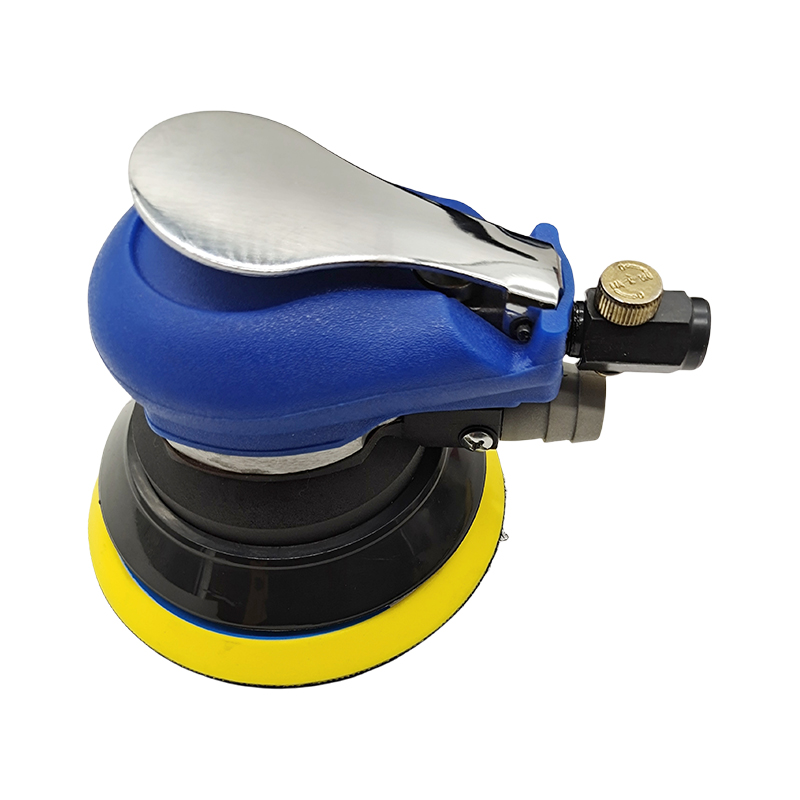
6" Pads And Sandpaper Air Random Orbital Polisher For Metal
read more -
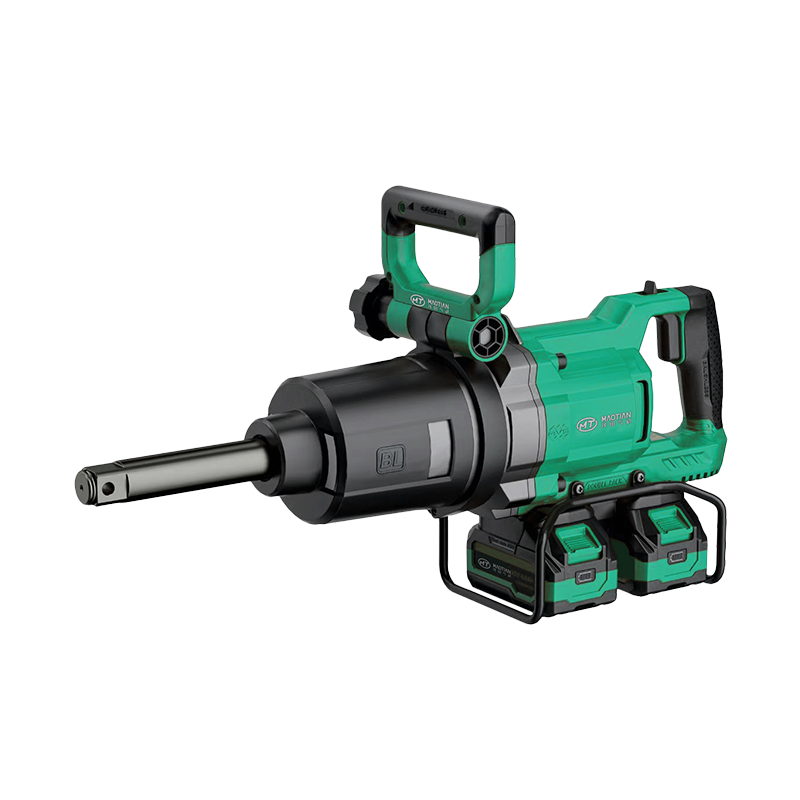
Ultra Duty 40V Strong Power Brushless 1" Li-ion Impact Wrench
read more -
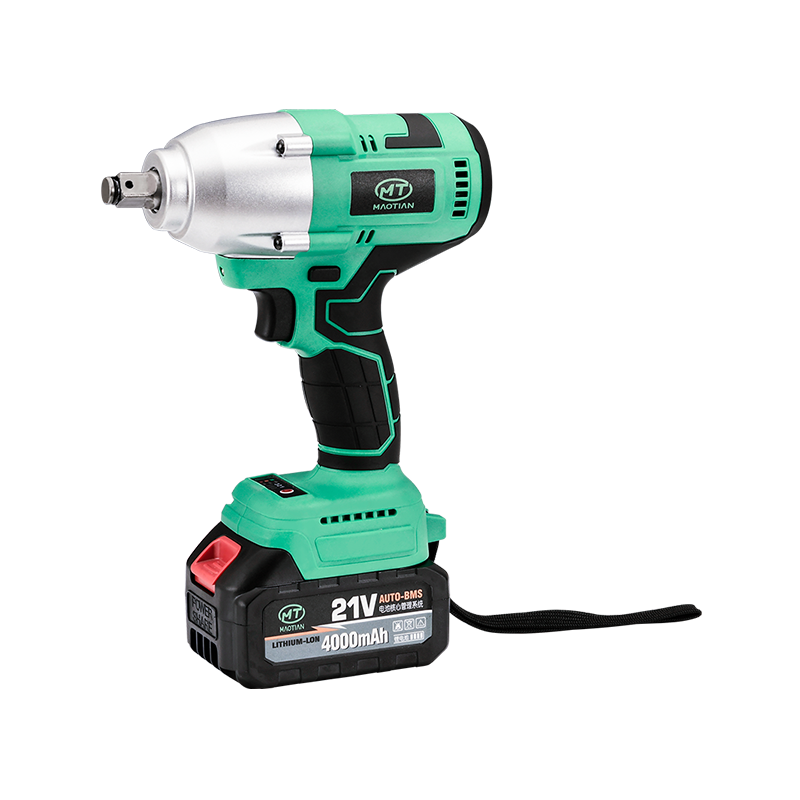
1/2" 20V Brushless Lightweight Li-ion Impact Wrench
read more -
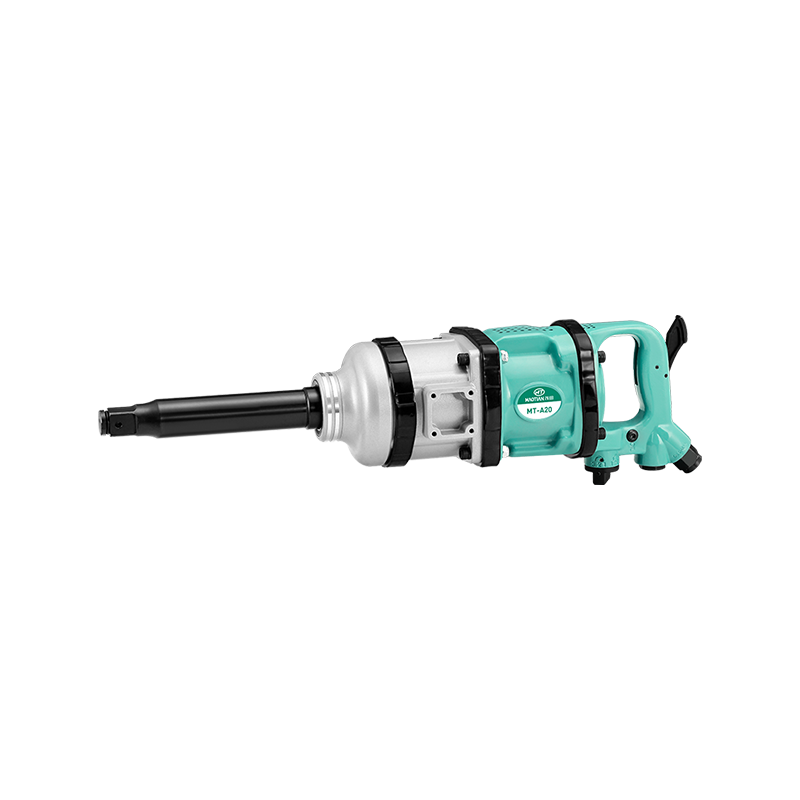
1" Heavy Duty Pinless Clutch Air Impact Wrench
read more -
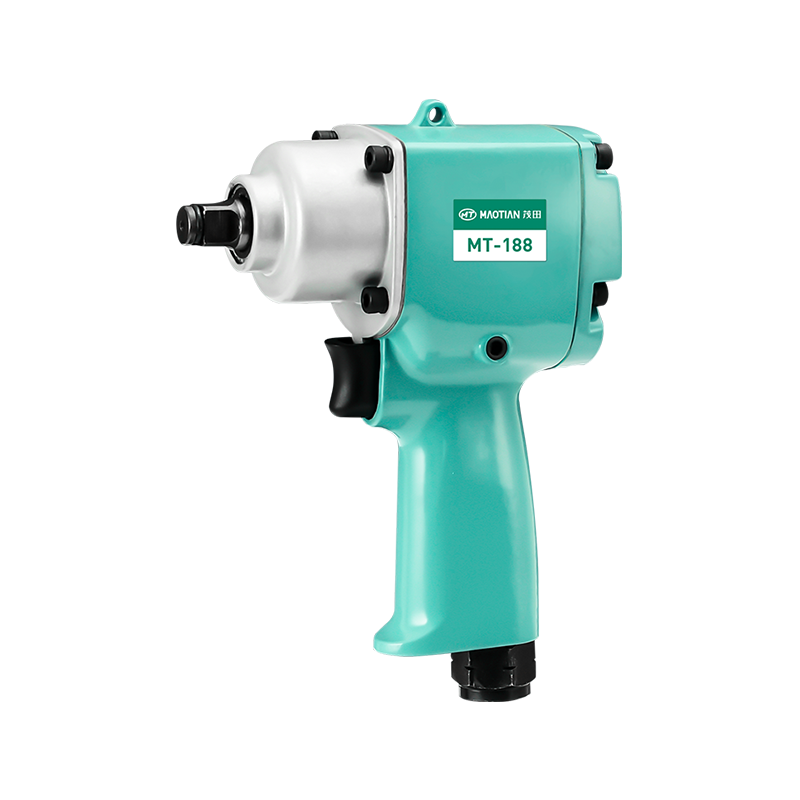
3/8 Inch Stubby Mini Air Impact Gun
read more
Contact
-
Official Address
Building 4, No. 1169, Jiutang South Road, Sanjia Street, Taizhou Bay New District, Taizhou City, Zhejiang , China.
-
Email Us
zoe@maotian-airtool.com
-
Call Us
+86 18815202028 (Zoe Sales Manager )
+86-576-82737789


Copyright © Taizhou Maotian Pneumatic Tools Co., Ltd.
Industrial Pneumatic Tools Factory


