

 中文简体
 Español
 عربى

What’s the Difference Between a Pneumatic and Electric Die Grinder?

A die grinder is a versatile handheld tool used for grinding, polishing, honing, sanding, or machining various materials, including metal, plastic, and wood. It is a staple in workshops, automotive repair shops, and fabrication industries. When choosing a die grinder, users often find themselves comparing pneumatic and electric models. Each type has distinct advantages and limitations depending on the application. This article explores the differences between pneumatic and electric die grinders, focusing on power source, performance, durability, and user experience.
The most fundamental difference between the two lies in how they are powered. A pneumatic die grinder operates using compressed air supplied by an air compressor. It typically connects to the compressor through a hose and relies on air pressure to rotate the tool.
On the other hand, an electric die grinder is powered by electricity and can either be corded or battery-operated. It plugs directly into a power outlet or uses rechargeable batteries, making it more portable and accessible in environments without compressed air systems.
While electric models are easier to set up, pneumatic versions may require a more complex arrangement due to the compressor, but they tend to perform consistently over extended periods.
In general, pneumatic die grinders are more compact and lightweight. Because they don't have an internal motor, most of the power mechanism is handled externally by the compressor. This design allows for smaller tool bodies, which can be advantageous in tight or detailed workspaces.
Electric models, especially those with powerful motors, can be bulkier and heavier. The added weight may result in operator fatigue during prolonged use. However, newer cordless models are becoming lighter, offering a better balance between portability and power.
Pneumatic die grinders usually offer higher speed ranges and are capable of maintaining consistent performance even during demanding tasks. This makes them suitable for jobs requiring fast material removal, such as heavy-duty metal grinding or porting cylinder heads.
Electric die grinders often provide more torque at lower speeds, making them effective for precision work or tasks involving harder materials. Some electric versions come with variable speed control, which adds flexibility for delicate or multi-material applications.
When it comes to maintenance, pneumatic die grinders require regular care of the compressor system, including checking air pressure, lubrication, and moisture removal. However, the grinder itself tends to have fewer internal parts, which can result in fewer mechanical failures.
Electric grinders may need less frequent maintenance but can be prone to overheating or motor wear, especially under continuous heavy load. Keeping vents clean and ensuring proper cooling is essential for longevity.
For users who need mobility, electric die grinders—particularly cordless models—offer the convenience of portability without being tied to a compressor. This makes them a good choice for remote job sites or areas with limited space.
Pneumatic models, while typically more powerful and lightweight, are limited by the need for a compressor and air hose, which can restrict movement and add setup time.
The choice between a pneumatic and electric die grinder depends largely on the specific needs of the user. Pneumatic grinders are often preferred for industrial tasks that require sustained speed and lighter tool weight. Electric models, with their ease of use and greater portability, are well-suited for workshops and occasional use. Understanding the strengths and limitations of each type helps users select the right tool for their project. Whether grinding, polishing, or cutting, the right die grinder can make all the difference in work efficiency and precision.
Product Recommendations
-
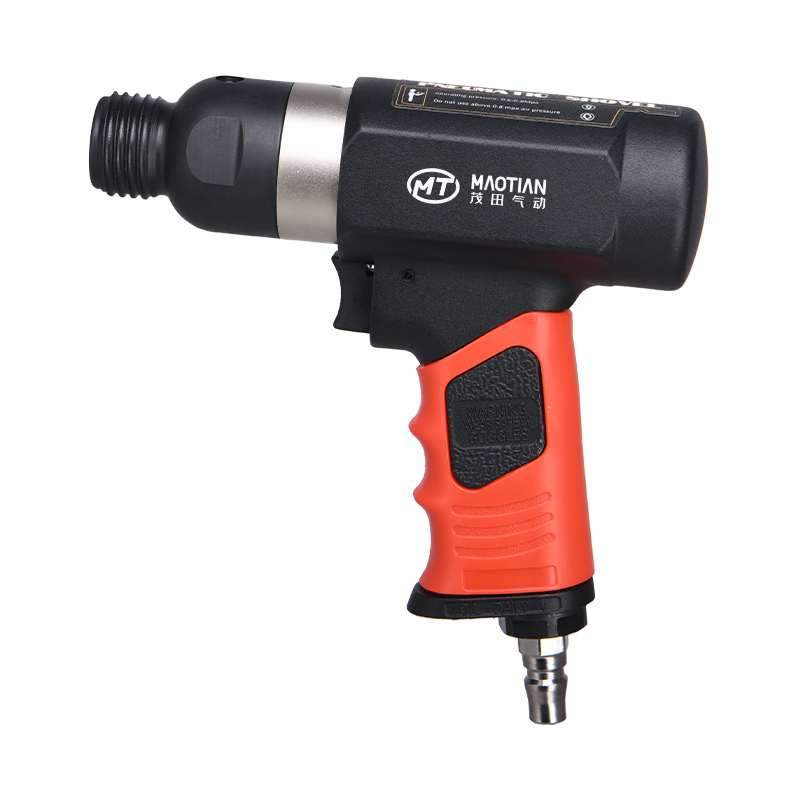
Heavy Duty Medium Barrel Air Hammer
read more -
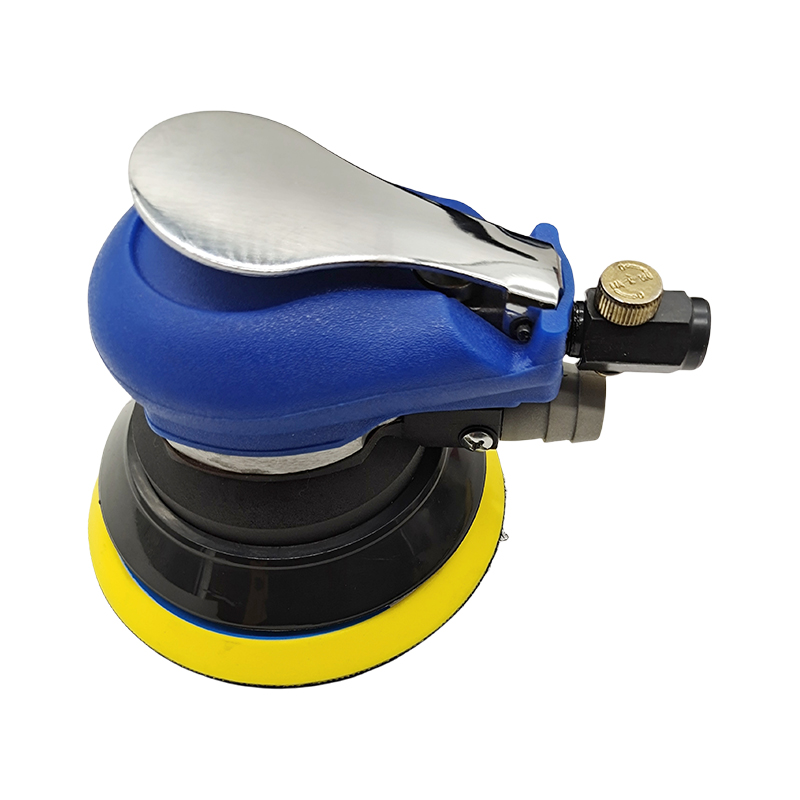
6" Pads And Sandpaper Air Random Orbital Polisher For Metal
read more -
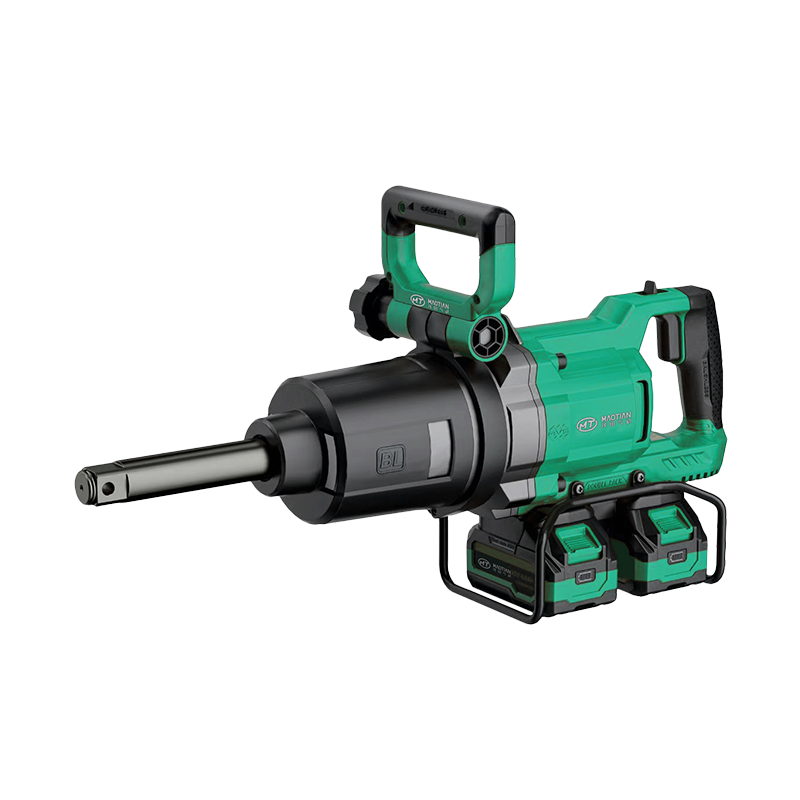
Ultra Duty 40V Strong Power Brushless 1" Li-ion Impact Wrench
read more -
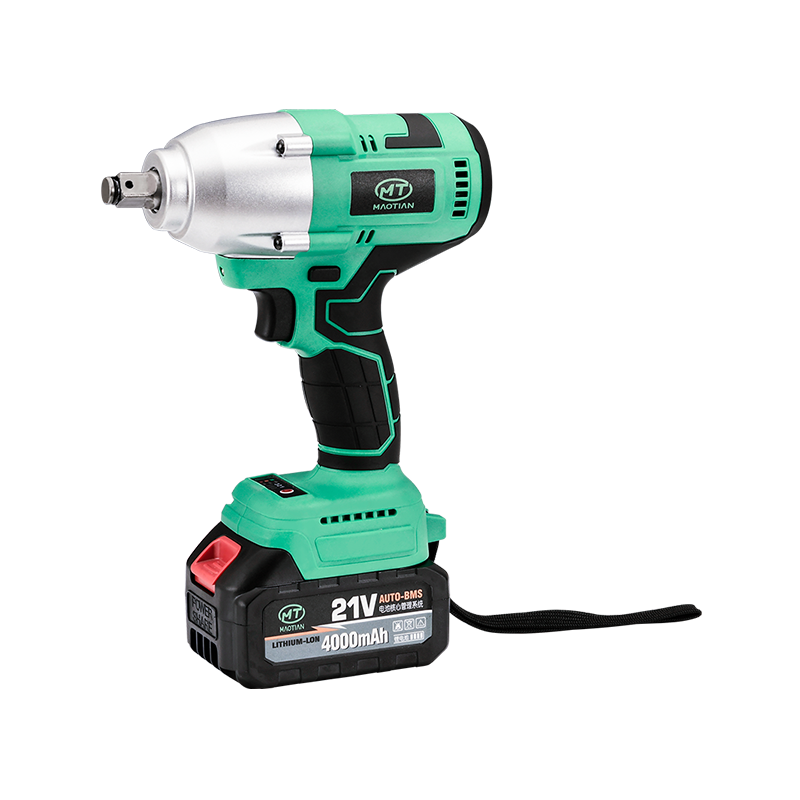
1/2" 20V Brushless Lightweight Li-ion Impact Wrench
read more -
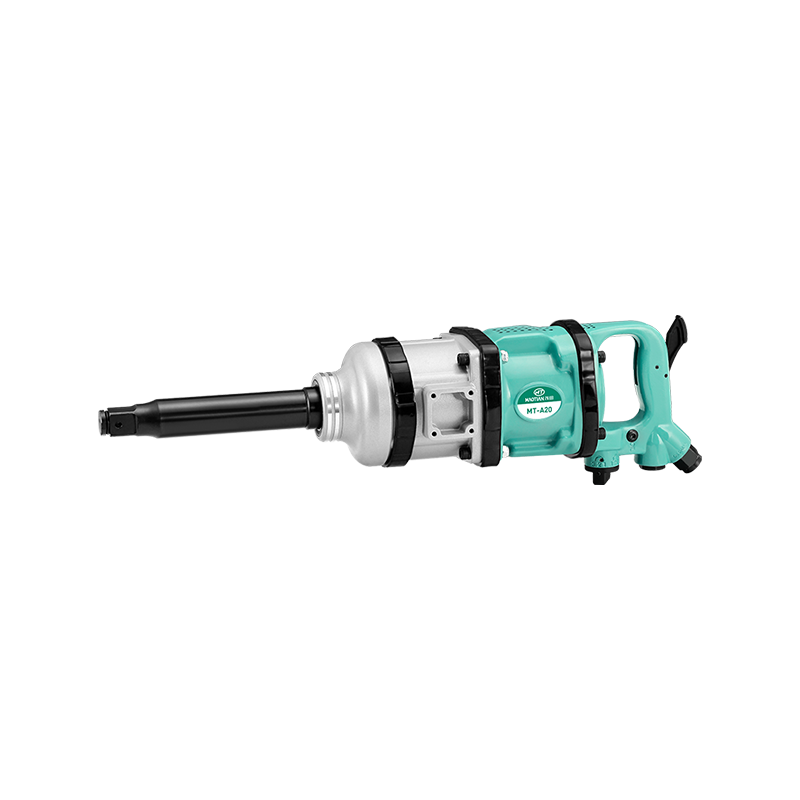
1" Heavy Duty Pinless Clutch Air Impact Wrench
read more -
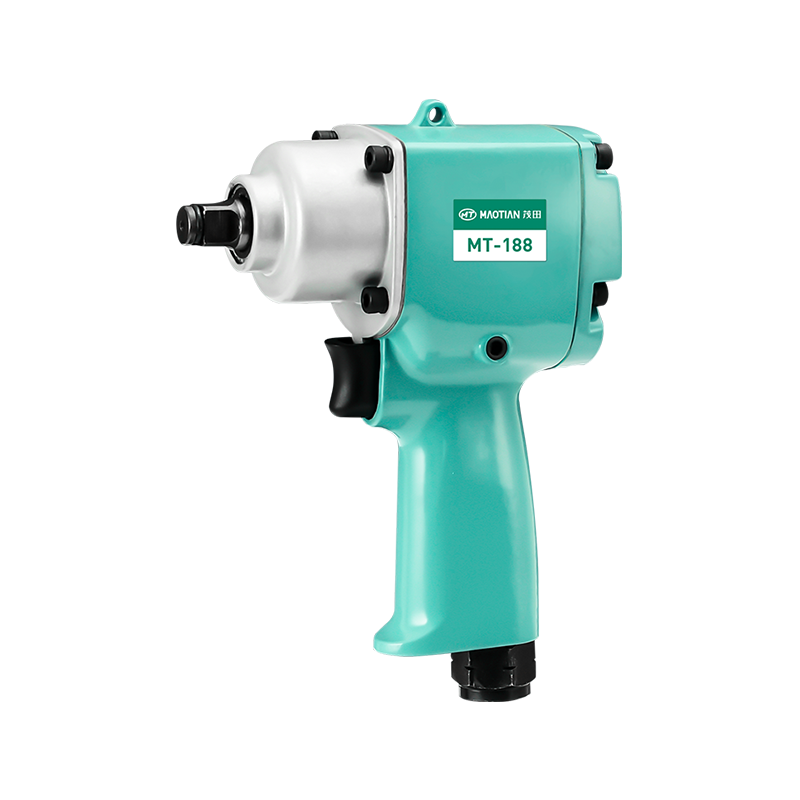
3/8 Inch Stubby Mini Air Impact Gun
read more
Contact
-
Official Address
Building 4, No. 1169, Jiutang South Road, Sanjia Street, Taizhou Bay New District, Taizhou City, Zhejiang , China.
-
Email Us
zoe@maotian-airtool.com
-
Call Us
+86 18815202028 (Zoe Sales Manager )
+86-576-82737789


Copyright © Taizhou Maotian Pneumatic Tools Co., Ltd.
Industrial Pneumatic Tools Factory


