

 中文简体
 Español
 عربى

What Role Does Compact Air Hammer Play In Surface And Material Processing
Why Is Compact Air Hammer Used In Surface And Material Processing Environments
In many workshops, surface work does not happen in wide open conditions. Space is often tight, parts are already assembled, and access becomes limited once structures are in place. In that kind of setting, Compact Air Hammer is used as a practical tool for small area correction and surface adjustment where larger equipment feels difficult to position.
Surface and material processing usually includes more than shaping. It also covers cleaning rough areas, adjusting small uneven points, and preparing contact surfaces before joining parts together. In those moments, controlled repeated impact becomes more useful than a single strong force, since materials react differently depending on how pressure is applied over time.
Compact tools tend to appear where movement space is restricted. Corners inside frames, narrow gaps between parts, and partially assembled structures all reduce working angle. A smaller hammer allows access without forcing disassembly of surrounding parts.
Typical working situations include:
- Tight mechanical zones where space is limited
- Surface preparation before joining components
- Local correction of uneven material areas
- Adjustment work near fixed structures
How Does Compact Air Hammer Generate Impact Force For Processing Tasks
The working motion of a Compact Air Hammer comes from internal air-driven movement. Air pressure enters the body of the tool and pushes internal parts into repeated motion. Instead of one continuous push, the system creates a cycle of small forward movements that repeat rapidly.
Each cycle produces a light strike. Over time, those repeated strikes transfer energy into the surface being worked on. The result is not sudden change, more like gradual adjustment through continuous contact.
What makes this process useful is control through rhythm. When airflow remains steady, the impact stays even. When rhythm stays even, surface response becomes more predictable, especially during longer working sessions.
Basic flow inside the tool:
- Air enters internal chamber
- Internal piston begins forward movement
- Contact point transfers force to tool head
- Cycle repeats in steady rhythm
What Types Of Surface Work Can Compact Air Hammer Support
Surface processing tasks vary depending on material type and condition. Compact Air Hammer is often used where precision matters more than depth of removal. The tool does not aim to reshape large areas, instead it focuses on controlled correction in specific spots.
Metal surfaces are common working targets. Small irregular areas, stuck residue, or uneven edges can be adjusted gradually through repeated contact. Instead of cutting or grinding large sections, the tool works on local points that need correction.
Coating layers also appear in practical use. When a surface coating becomes uneven or partially damaged, controlled impact helps loosen sections without affecting the full surface.
Edge preparation is another frequent task. Before assembly, edges often need small adjustments so that parts can fit more evenly during joining.
Common surface tasks include:
- Local correction on metal surfaces
- Removal of uneven coating layers
- Edge adjustment before assembly
- Preparation of contact areas

How Does Compact Air Hammer Differ From Larger Impact Tools In Operation
Tool size changes how movement feels during use. Larger impact tools usually need more open space, while Compact Air Hammer is designed for restricted areas where full movement is not possible.
In narrow environments, angle control becomes more important than raw force. A compact body allows easier positioning close to edges or inside partially built structures without disturbing surrounding parts.
Vibration spread is also different. Smaller tools tend to keep force concentrated in a limited zone, which helps reduce unwanted movement in nearby components during operation.
Main differences include:
- Easier positioning in narrow working spaces
- More focused vibration behavior
- Better control during light processing tasks
- Suitable for precise adjustment work
What Role Does 1 2 Inch Compact Impact Wrench Play In Related Work Environments
In many workshop setups, surface adjustment and fastening work happen side by side. While Compact Air Hammer handles surface correction, a 1 2 Inch Compact Impact Wrench is usually involved in tightening or loosening mechanical joints.
Both tools appear in similar environments, especially where assembly and adjustment happen in stages. One focuses on shaping or preparing surfaces, while the other deals with mechanical connection points.
The compact version of the wrench is especially useful in tight assembly zones where larger tools cannot rotate freely. It supports controlled fastening without requiring wide movement space.
Typical usage role:
- Tightening and loosening bolts in assemblies
- Supporting mechanical connection work
- Operating in narrow installation spaces
- Working alongside surface preparation tasks
How Does Workspace Environment Affect Compact Air Hammer Performance
Working conditions inside a workshop directly influence how a Compact Air Hammer behaves during use. Space size, object placement, and surrounding structures all affect how easily the tool can be positioned.
In confined areas, movement angle becomes a key factor. Even small restrictions can change how the tool head touches the surface. When space is limited, adjustments are often made gradually rather than in a single motion.
Air supply stability also plays a quiet role. When airflow remains steady, impact rhythm stays even. When airflow fluctuates, surface contact may feel less consistent.
Other influencing factors include:
- Limited movement space affecting tool angle
- Surface position changing contact stability
- Air pressure variation during continuous use
- Nearby structures restricting access paths
Why Is Control Important When Using Compact Air Hammer On Different Materials
Different materials do not react in the same way when repeated impact is applied. Some surfaces shift quickly, some stay firm for a long time, and some react only after a series of small changes. Compact Air Hammer works through repeated contact, so control becomes less about force and more about how that contact is spaced and guided.
On softer materials, surface marks appear faster. A steady rhythm without adjustment may leave uneven points, so the contact usually stays light and moves across the surface instead of staying fixed. On harder materials, the reaction feels slower, and more time is needed before visible change appears.
What matters in practice is how the surface responds during operation, not only before starting. Small adjustments in pressure or angle often decide whether the result stays even or becomes uneven across nearby areas.
Control usually involves:
- Adjusting contact strength based on surface reaction
- Avoiding repeated strikes on one fixed point
- Shifting angle to spread impact across area
- Observing surface change during operation rather than after
How Do Operators Adjust Technique Based On Material Type
Using Compact Air Hammer is rarely a fixed routine. Movement changes depending on how the material behaves under contact. In workshop conditions, adjustments happen gradually, often during the same operation rather than before it starts.
On softer surfaces, short and light contact is more common. The tool touches, lifts, and moves again in a steady rhythm. Staying in one position too long can leave marks, so motion becomes more important than pressure.
Harder surfaces need longer contact cycles. The tool may stay slightly longer in one spot before shifting, allowing repeated impact to build gradual change. Even then, movement is still part of the process rather than fixed pressure.
Angle changes also matter. A small shift in direction can change how force spreads, which helps avoid uneven surface patterns.
Typical adjustments include:
- Light, quick contact on soft materials
- Longer repeated cycles on harder surfaces
- Frequent small angle changes
- Continuous movement across working area
How Does Tool Design Influence Long Term Use In Workshop Conditions
Workshops often involve long hours of repeated tool use, and comfort becomes something noticed only after continuous operation. Compact Air Hammer design affects how steady the hand feels during those repeated cycles.
Grip shape is one of the main factors. A stable grip reduces small unwanted movement when working inside narrow spaces. When space is limited, even small shifts in hand position can change contact accuracy.
Vibration behavior builds up over time as well. Repeated impact naturally sends movement through the tool body. When that movement is spread evenly, operation feels smoother during longer sessions.
Internal structure also plays a quiet role. When components stay stable under repeated cycles, the tool keeps similar behavior from start to finish instead of changing response during use.
Design influence can be seen in:
- Grip steadiness during continuous operation
- Vibration spread across tool body
- Stability during narrow-angle work
- Consistency across long usage periods
What Role Does 1 2 Inch Compact Impact Wrench Play Alongside Compact Air Hammer In Workflow
In many workshop routines, surface adjustment and fastening appear as connected steps rather than separate tasks. Compact Air Hammer often works first, preparing or correcting surface areas, while 1 2 Inch Compact Impact Wrench comes later when parts need to be fixed in position.
The two tools do not overlap in function. One focuses on surface condition, the other on mechanical fastening. In confined spaces, both are used because larger tools would not fit comfortably around already assembled structures.
Their use often follows a natural order inside the workflow:
- Surface adjustment happens before fastening
- Alignment is checked through small corrections
- Fastening tool secures mechanical joints afterward
- Both tools alternate depending on assembly stage
Why Does Compact Air Hammer Remain Common In Surface And Processing Workflows
Even with many tools available in workshop environments, Compact Air Hammer stays in regular use because it fits naturally into everyday working conditions. It does not require large space, and it does not depend on complex setup before use.
Its position is practical rather than specialized. It handles adjustment work that sits between light manual correction and heavy mechanical processing. That middle position keeps it useful across different stages of work.
Flexibility also matters. The same tool can be used on different materials and in different positions without changing its basic operation style. That reduces the need to switch tools frequently during a workflow.
Common reasons for continued use:
- Works in narrow or limited spaces
- Supports different surface conditions
- Fits multiple stages of workshop tasks
- Easy to integrate into existing workflows
| Material Type | Surface Reaction | Working Approach |
|---|---|---|
| Soft material | Quick visible change | Light contact, frequent movement |
| Medium material | Balanced response | Steady rhythm with moderate control |
| Hard material | Slow change | Repeated focused contact |
| Mixed surface | Uneven response | Frequent adjustment and repositioning |
Compact Air Hammer remains part of many workshop environments because it follows real working conditions rather than fixed patterns. Together with tools like 1 2 Inch Compact Impact Wrench, it supports a sequence of surface adjustment and fastening work that fits naturally into confined, practical spaces where movement, control, and timing all matter at the same time.
Product Recommendations
-
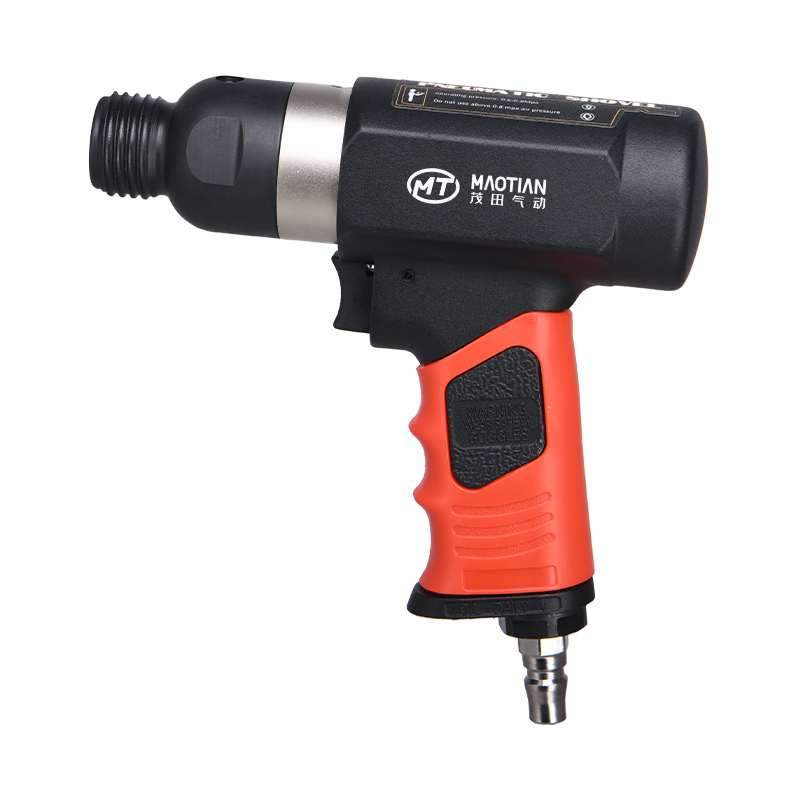
Heavy Duty Medium Barrel Air Hammer
read more -
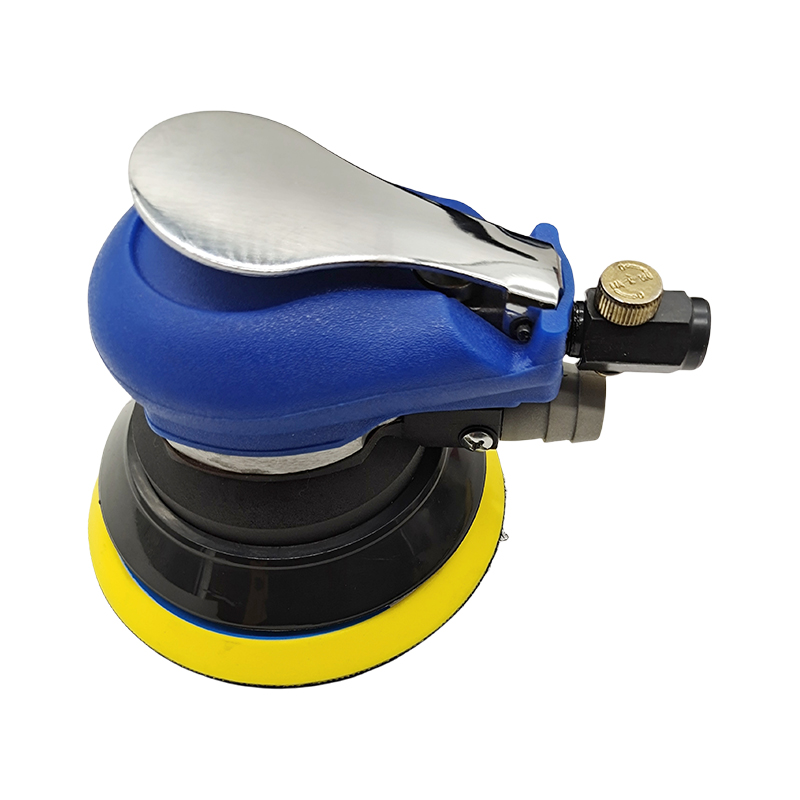
6" Pads And Sandpaper Air Random Orbital Polisher For Metal
read more -
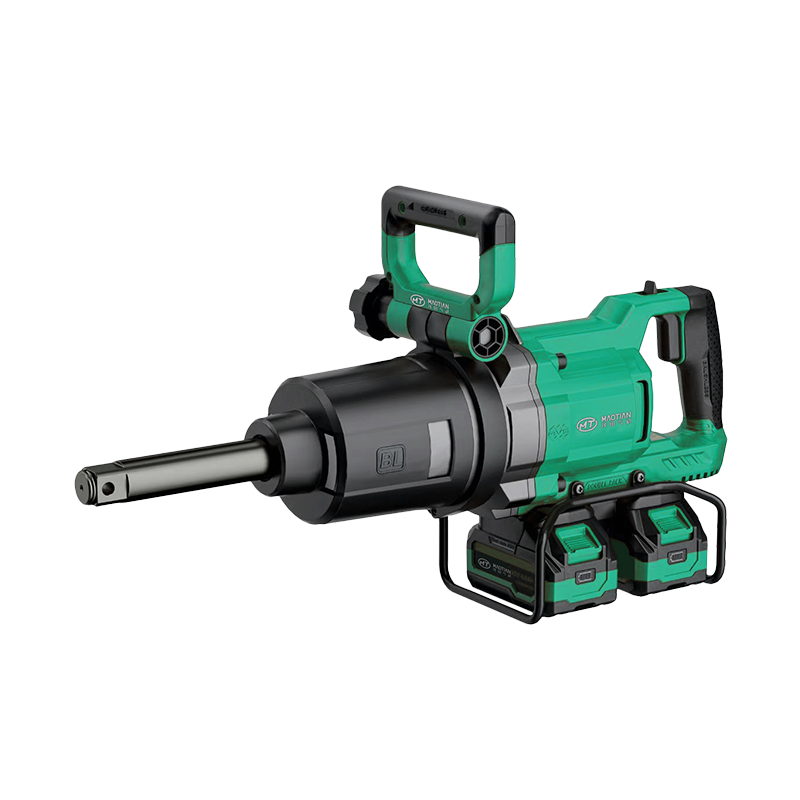
Ultra Duty 40V Strong Power Brushless 1" Li-ion Impact Wrench
read more -
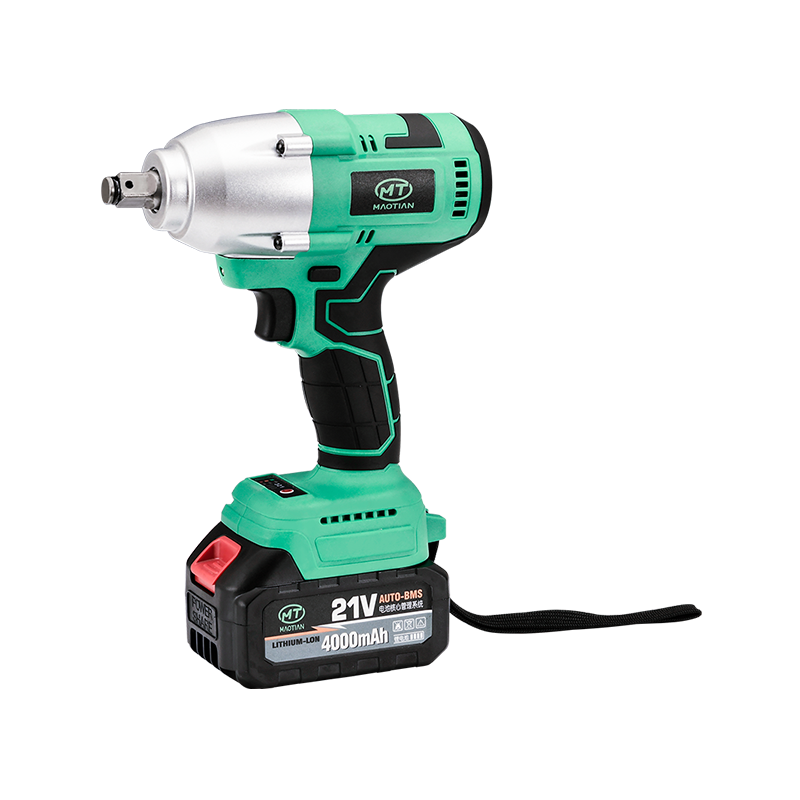
1/2" 20V Brushless Lightweight Li-ion Impact Wrench
read more -
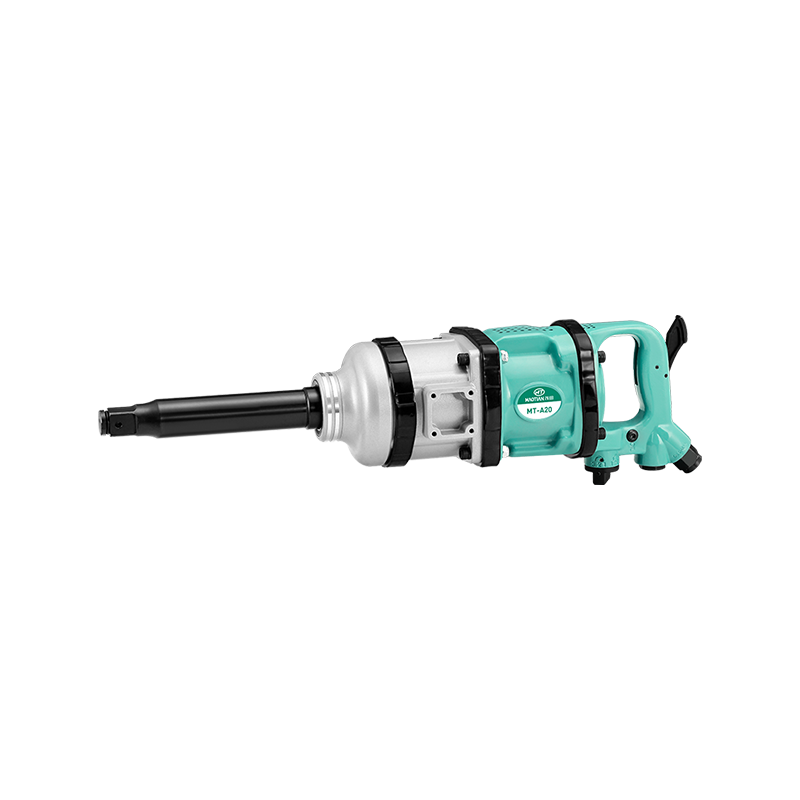
1" Heavy Duty Pinless Clutch Air Impact Wrench
read more -
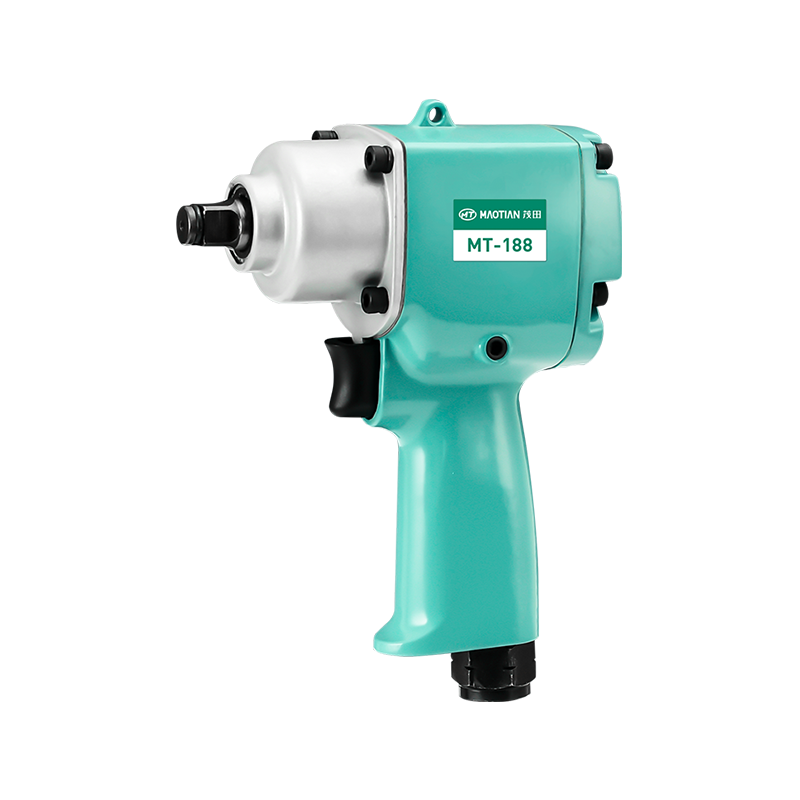
3/8 Inch Stubby Mini Air Impact Gun
read more
Contact
-
Official Address
Building 4, No. 1169, Jiutang South Road, Sanjia Street, Taizhou Bay New District, Taizhou City, Zhejiang , China.
-
Email Us
zoe@maotian-airtool.com
-
Call Us
+86 18815202028 (Zoe Sales Manager )
+86-576-82737789


Copyright © Taizhou Maotian Pneumatic Tools Co., Ltd.
Industrial Pneumatic Tools Factory


