

 中文简体
 Español
 عربى

What Nobody Tells You Before Buying a 1 Inch Air Impact Wrench
Buying a 1 inch air impact wrench sounds simple on paper. You pick a drive size, check a torque number, add it to the cart, and assume the job is done. Reality tends to work differently once the tool actually gets used on a truck tire, a piece of farm equipment, or a stubborn bolt that has not moved in years. The gap between what a spec sheet promises and what a tool delivers in daily use is where most buyers get caught off guard.
The Buying Mistake Almost Everyone Makes Early On
A common pattern shows up again and again among shops and fleet maintenance teams: someone shops based on a single torque figure, without checking whether that number even applies to the way they plan to use the tool.
Torque ratings on a 1 inch impact wrench usually come in more than one form, depending on whether the tool is loosening a bolt or driving one in. A number that looks impressive in a listing might reflect only one of those two conditions. Without knowing which figure is being advertised, a buyer can end up with a tool that struggles on the exact task it was bought for.
Why a Single Number Rarely Tells the Full Story
Torque output also shifts depending on air pressure, hose length, and how well the compressor keeps up under load. A wrench tested in a controlled setting will not always behave the same way on a shop floor with a long hose run or a compressor that is already working hard on another task.
The practical takeaway: treat torque figures as a starting reference point, not a guarantee. Ask how the number was measured, and compare it against similar tools using the same testing method whenever possible.
What Your Air Compressor Has to Do With Your New Wrench
A 1 inch impact wrench is not a standalone tool. It depends entirely on the air supply feeding it, and this is one of the most overlooked parts of the buying process.
Two shops can buy the exact same wrench and get completely different results, simply because one has a compressor and hose setup matched to the tool, and the other does not.
Matching Airflow to the Tool You Actually Bought
Before finalizing a purchase, it helps to check a few things on the compressor side:
- Whether the compressor can sustain continuous airflow, not just hit a peak pressure briefly
- Hose diameter and length, since narrow or long hoses restrict airflow before it even reaches the tool
- Fittings and connectors, which are a surprisingly common bottleneck
- Moisture and debris in the air line, which wear down internal components over time
Twin Hammer or Pin Type: A Question That Rarely Gets a Clear Answer
Anyone comparing 1 inch impact wrenches will eventually run into two common mechanisms: twin hammer and pin type. Product pages often mention both terms without explaining what the difference actually feels like in use.
| Consideration | Twin Hammer Mechanism | Pin Type Mechanism |
|---|---|---|
| Power delivery | Generally smoother and more even | Can feel more direct, sometimes rougher |
| Vibration | Tends to run calmer over long use | Often produces more vibration |
| Maintenance | Fewer small parts to service | Simple design, easy to inspect |
| Typical use case | Repetitive tasks like tire service | Heavy stationary bolting work |
Neither mechanism is universally right or wrong. The decision usually comes down to how the tool will be used day to day. A technician doing repeated tire rotations may value the calmer feel of a twin hammer design, while someone doing occasional heavy bolting work might not notice much difference either way.
There Is No Universal Right Answer Here
What matters more than the mechanism itself is matching it to the actual job. A tool chosen because it sounded technically impressive, rather than because it fit the daily task, is a common source of buyer regret later on.
The Weight Factor That Only Shows Up After a Full Shift
Weight is one of those specifications that looks harmless on a listing page and turns into a real issue after several hours of continuous use.
A wrench that feels manageable for a quick demonstration in a showroom can feel very different after being held overhead or at an angle for an entire shift. Fatigue builds gradually, and by the time it becomes noticeable, the workday is often half over.
Comfort Over a Full Shift, Not Just on Paper
A few practical questions worth asking before buying:
- How does the grip feel when the trigger is held for extended periods?
- Is the weight balanced, or does it feel front heavy once a socket is attached?
- Can the trigger position be adjusted for different grips or working angles?
None of these details show up clearly in a spec table, yet they influence comfort more than almost anything else.
Where a 1 Inch Impact Wrench Actually Belongs
Not every job calls for a 1 inch drive tool, and buying based on assumption rather than actual need is a frequent source of wasted money.
Typical situations where this drive size makes sense include:
- Commercial truck and trailer tire service
- Agricultural equipment maintenance, including tractors
- Heavy machinery repair in industrial settings
- Large fastener work where smaller drive sizes fall short
When a Smaller Drive Size Might Serve You Better
If the work mostly involves passenger vehicles or lighter fasteners, a smaller drive size often provides a better balance of control and comfort. Oversized tools bought out of caution, rather than actual need, tend to sit unused or become a burden rather than a benefit.
Maintenance Habits That Quietly Decide How Long a Tool Lasts
Two identical wrenches can have very different lifespans depending on how they are treated after the sale. This is rarely discussed at the point of purchase, but it matters just as much as the initial buying decision.
A short list of habits that make a noticeable difference over time:
- Regular oiling of the air inlet, following the manufacturer's recommended schedule
- Keeping the air line filtered to prevent moisture and debris from reaching internal parts
- Storing the tool in a dry environment when not in use
- Using sockets rated for impact use, since standard sockets can crack under repeated impact force
None of these steps take much time, yet skipping them is one of the quickest ways to shorten a tool's working life.
Questions Worth Asking Before Placing an Order
Before finalizing a purchase, running through a short checklist can prevent a lot of frustration later:
- Does the torque rating reflect the direction I actually need, loosening or driving?
- Is my air compressor and hose setup actually capable of feeding this tool properly?
- Does the mechanism type match how the tool will be used day to day?
- Will the weight and grip feel manageable across a full shift, not just a brief test?
- Is the drive size actually necessary for the work I do, or am I buying more than needed?
Answering these honestly, rather than relying only on a product description, tends to lead to a far more satisfying purchase in the long run.
A 1 inch air impact wrench is a significant investment for any shop or maintenance team, and the details that matter most are often the ones left out of a standard product listing. Torque figures, mechanism type, air supply compatibility, weight distribution, and maintenance habits all play a role in whether a tool becomes a reliable part of the daily workflow or an expensive disappointment sitting in a drawer.
Taking a little extra time to ask the right questions before buying tends to pay off far more than chasing the most impressive looking number on a spec sheet. If you are comparing options for heavy duty tire service, industrial bolting, or fleet maintenance work, it is worth reviewing the 1 Inch Heavy Duty Air Impact Wrench lineup from MAOTIAN, where different mechanism types and configurations are laid out side by side for easier comparison.
Explore the 1 Inch Heavy Duty Air Impact Wrench lineup from MAOTIAN.
Product Recommendations
-
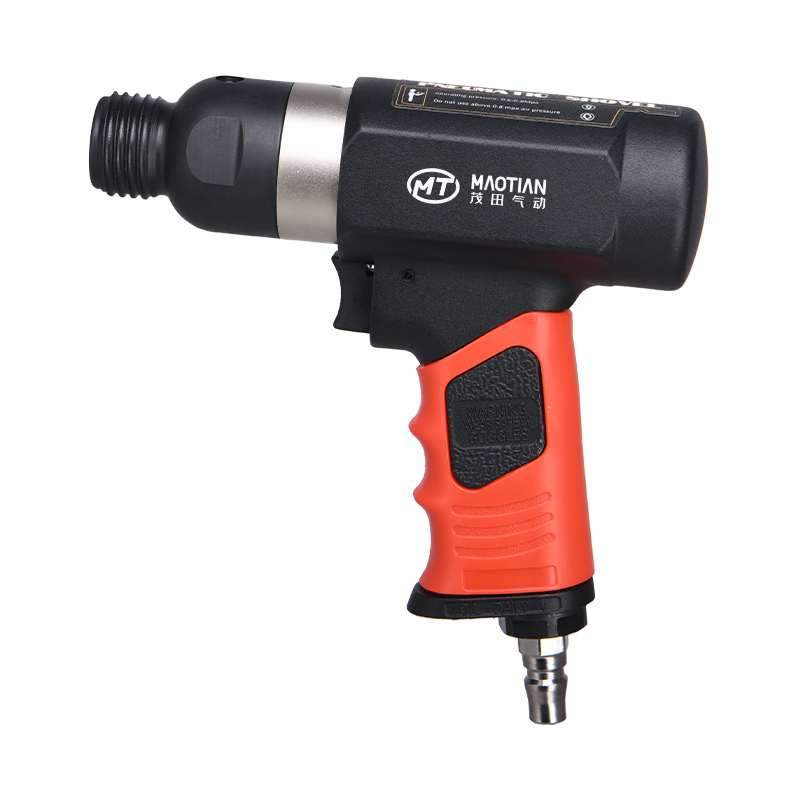
Heavy Duty Medium Barrel Air Hammer
read more -
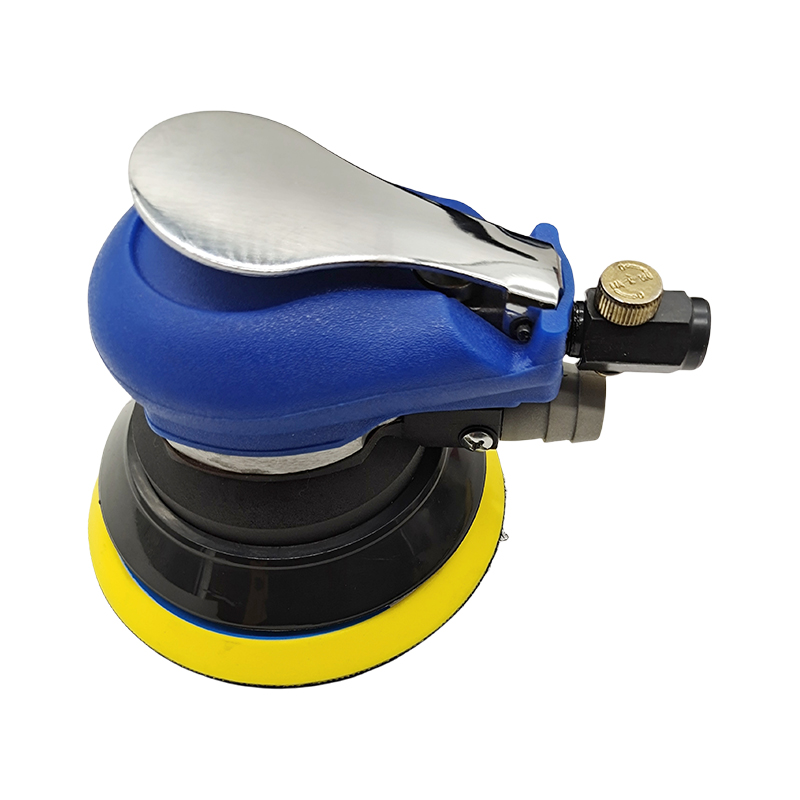
6" Pads And Sandpaper Air Random Orbital Polisher For Metal
read more -
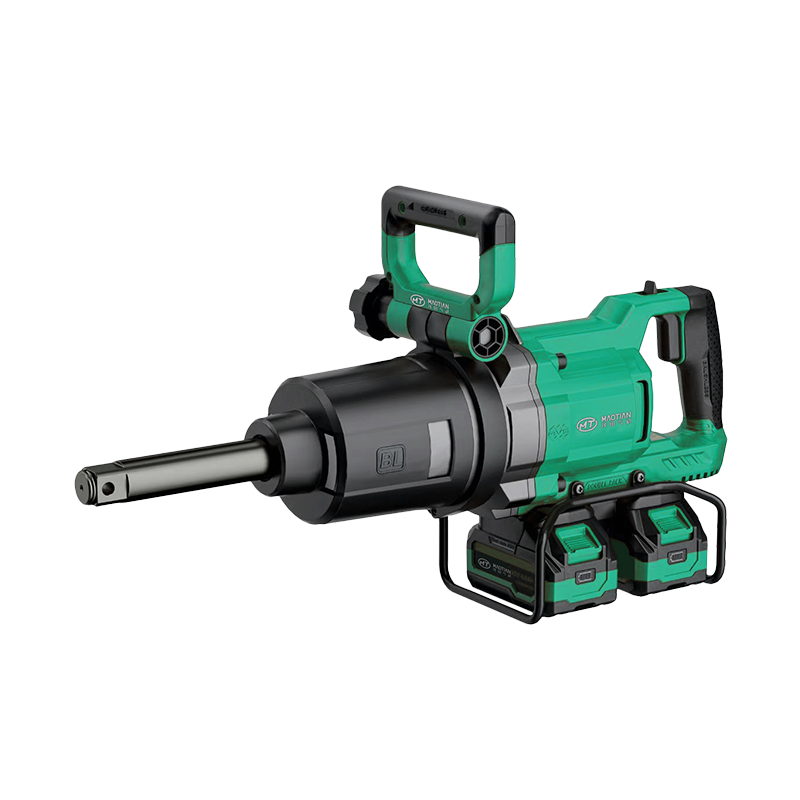
Ultra Duty 40V Strong Power Brushless 1" Li-ion Impact Wrench
read more -
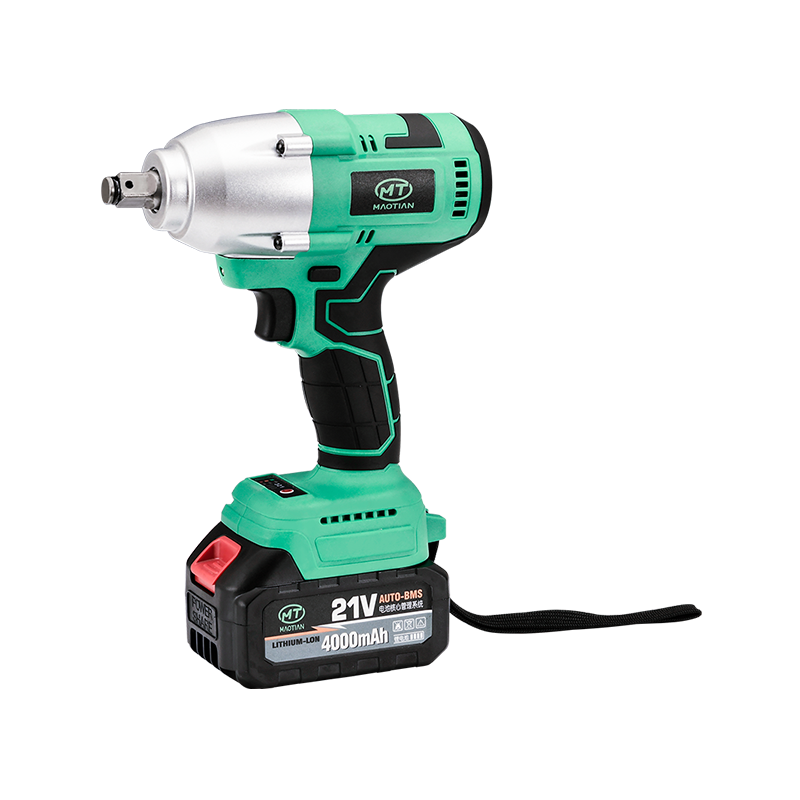
1/2" 20V Brushless Lightweight Li-ion Impact Wrench
read more -
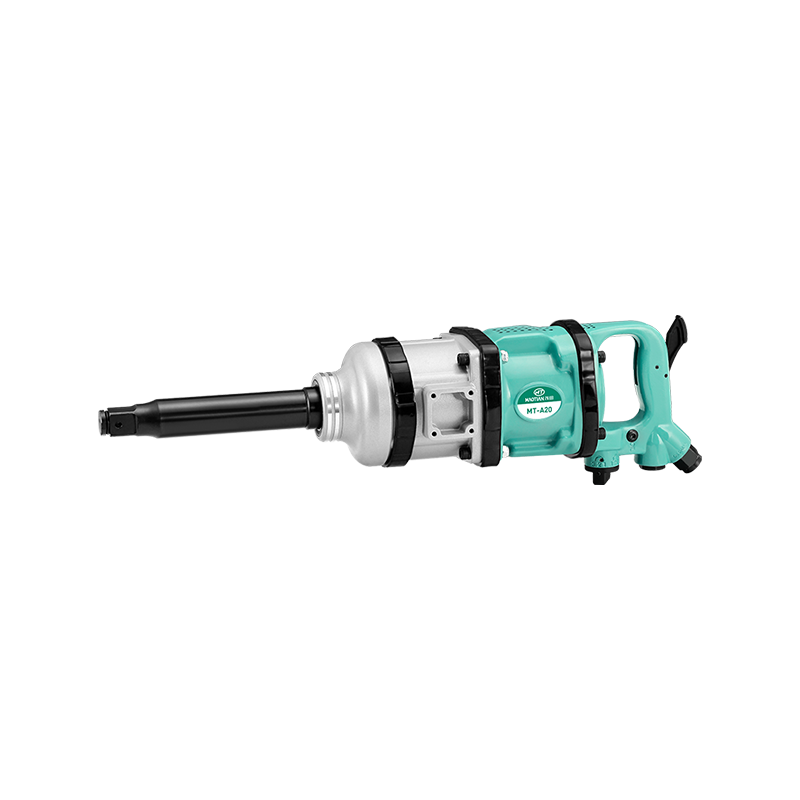
1" Heavy Duty Pinless Clutch Air Impact Wrench
read more -
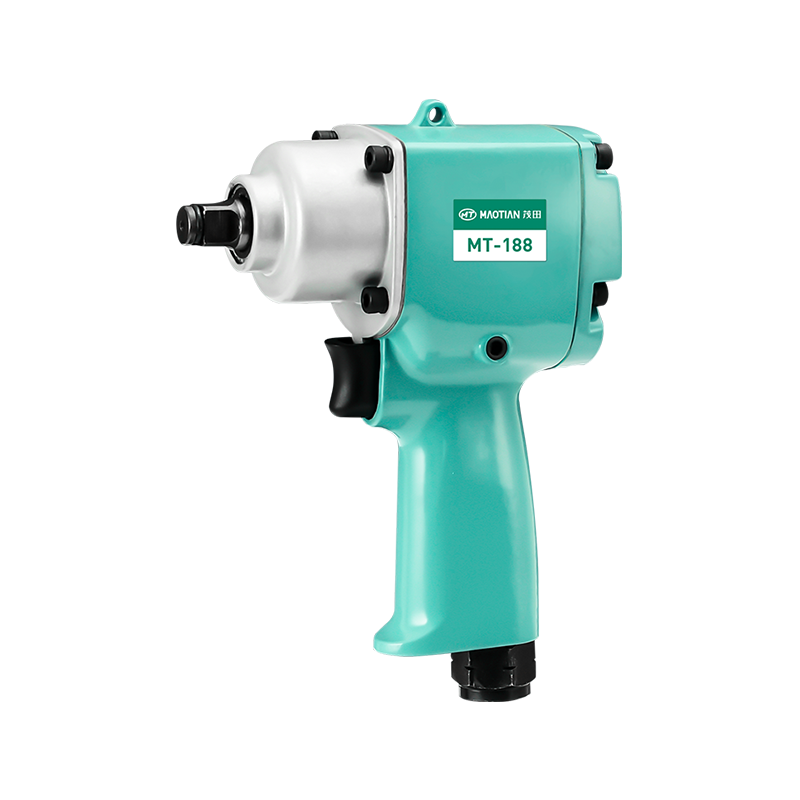
3/8 Inch Stubby Mini Air Impact Gun
read more
Contact
-
Official Address
Building 4, No. 1169, Jiutang South Road, Sanjia Street, Taizhou Bay New District, Taizhou City, Zhejiang , China.
-
Email Us
zoe@maotian-airtool.com
-
Call Us
+86 18815202028 (Zoe Sales Manager )
+86-576-82737789


Copyright © Taizhou Maotian Pneumatic Tools Co., Ltd.
Industrial Pneumatic Tools Factory


