

 中文简体
 Español
 عربى

What Materials Can Straight Air Die Grinders Handle?

Straight air die grinders are versatile pneumatic tools commonly used in metalworking, woodworking, automotive repair, and fabrication industries. These compact and powerful tools allow for precise grinding, sanding, polishing, and deburring in tight or hard-to-reach areas.
Metals and Alloys
One of the primary uses of straight air die grinders is in working with various metals. They can effectively grind, smooth, or shape materials such as mild steel, stainless steel, aluminum, and brass. The choice of grinding bits or attachments plays a significant role in determining efficiency and surface finish. For harder metals, such as stainless steel or hardened steel alloys, users typically employ carbide or high-speed steel grinding bits. A Straight Air Die Grinder designed for industrial applications can handle these materials while maintaining consistent speed and torque, enabling precise metalworking tasks.
Non-Ferrous Materials
Straight air die grinders are also suitable for non-ferrous materials, including copper, aluminum, and brass. These metals are softer than steel, which allows for faster material removal but requires careful control to prevent gouging or uneven surfaces. Using the appropriate abrasive attachments, such as aluminum oxide or silicon carbide grinding stones, ensures that a Straight Air Die Grinder can deliver clean and smooth results without damaging the workpiece.
Wood and Composites
While primarily associated with metalworking, straight air die grinders can also be used on wood and composite materials. They are effective for shaping, carving, or sanding intricate surfaces in woodworking projects. Using specialized wood burrs or sanding attachments, a Straight Air Die Grinder can handle hardwood, softwood, plywood, MDF, and other composite panels. This versatility makes it a useful tool for artisans, cabinet makers, and furniture manufacturers.
Plastics and Resin Materials
Plastics and resin-based materials can be shaped, smoothed, or polished using straight air die grinders. This includes acrylic sheets, PVC, fiberglass, and epoxy composites. Care must be taken with softer plastics to prevent melting or excessive heat buildup, which can be managed by controlling speed and using appropriate attachments. A Straight Air Die Grinder equipped with suitable bits can achieve detailed finishes on plastic parts for both functional and decorative purposes.
Stone, Ceramic, and Glass
For certain specialized applications, straight air die grinders can also work with stone, ceramic, or glass materials. Diamond-coated grinding bits or burrs are typically used to cut, grind, or polish these hard surfaces. While operating on brittle materials requires steady control and the correct tooling, a Straight Air Die Grinder can produce precise cuts, smooth edges, and polished surfaces for construction, tile work, or custom fabrication projects.
Safety and Attachment Considerations
The materials a straight air die grinder can handle depend on using the correct attachments, appropriate speed settings, and proper safety measures. Wearing eye protection, gloves, and masks is essential when grinding metals, plastics, or ceramics. Selecting burrs or grinding wheels designed for specific materials ensures that the Straight Air Die Grinder operates efficiently while minimizing wear on both the tool and the workpiece.
Straight air die grinders are highly versatile tools capable of handling a wide range of materials, including metals, non-ferrous alloys, wood, composites, plastics, resin, and even stone or ceramic surfaces. Their performance depends on the proper selection of attachments, speed control, and safety precautions. A reliable Straight Air Die Grinder provides consistent torque and precision, making it an essential tool for metalworkers, woodworkers, fabricators, and artisans who require accuracy and flexibility in their tasks. Understanding the materials that can be safely and effectively worked with ensures both high-quality results and long-term tool performance.
Product Recommendations
-
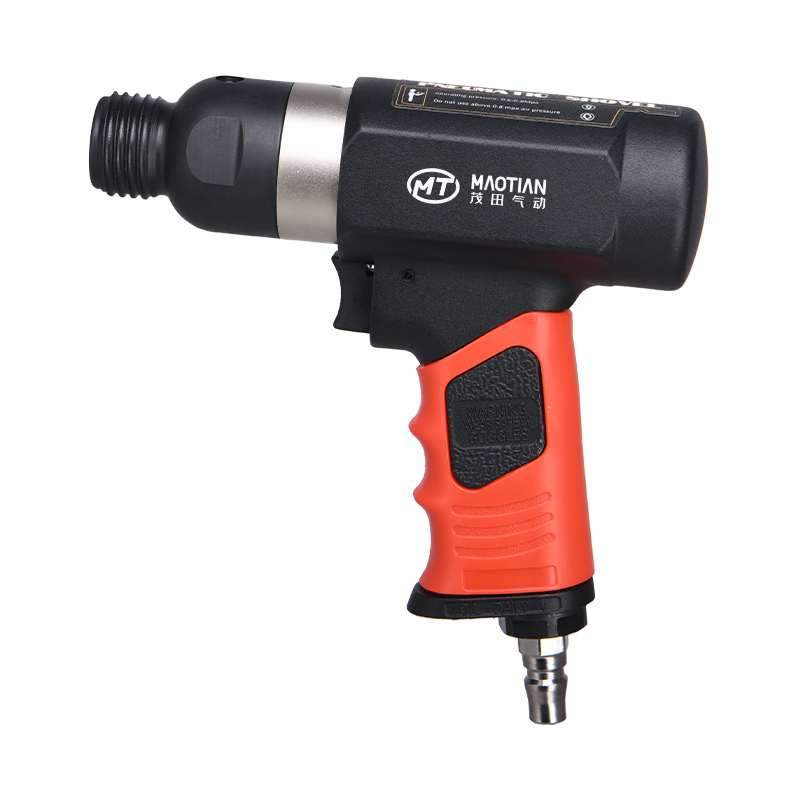
Heavy Duty Medium Barrel Air Hammer
read more -
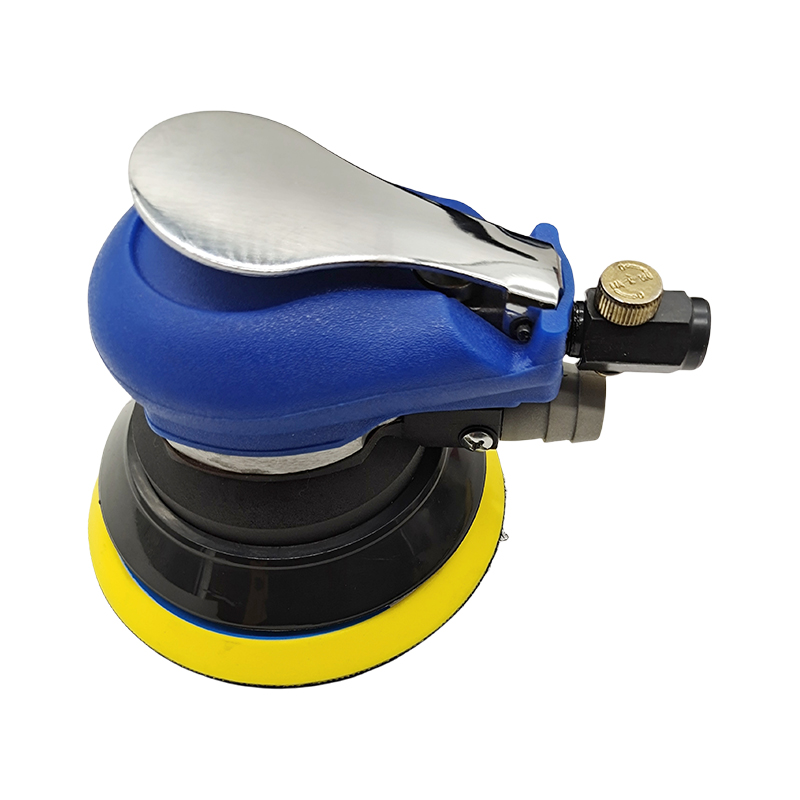
6" Pads And Sandpaper Air Random Orbital Polisher For Metal
read more -
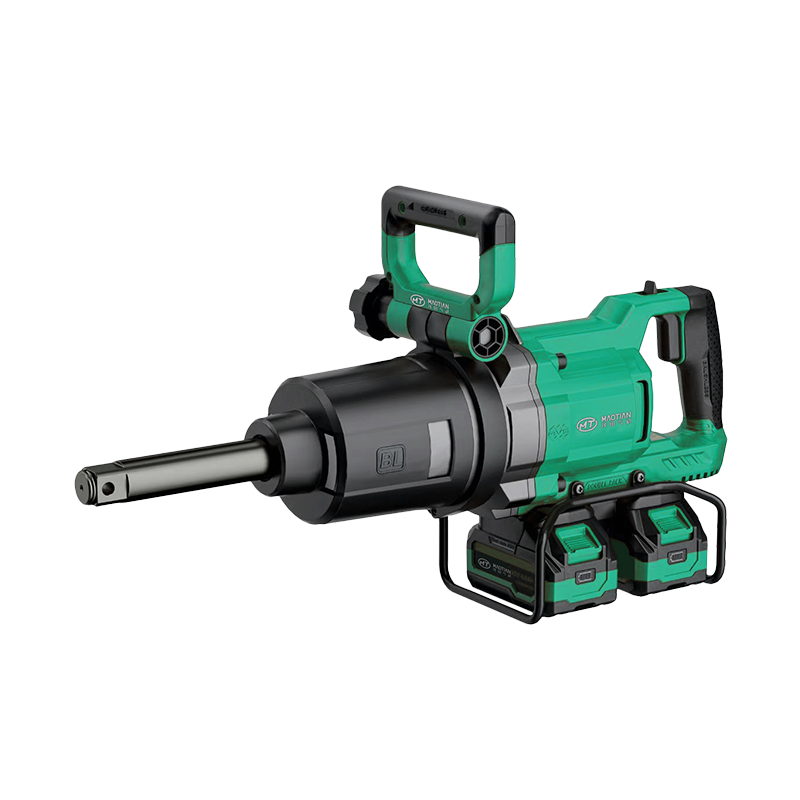
Ultra Duty 40V Strong Power Brushless 1" Li-ion Impact Wrench
read more -
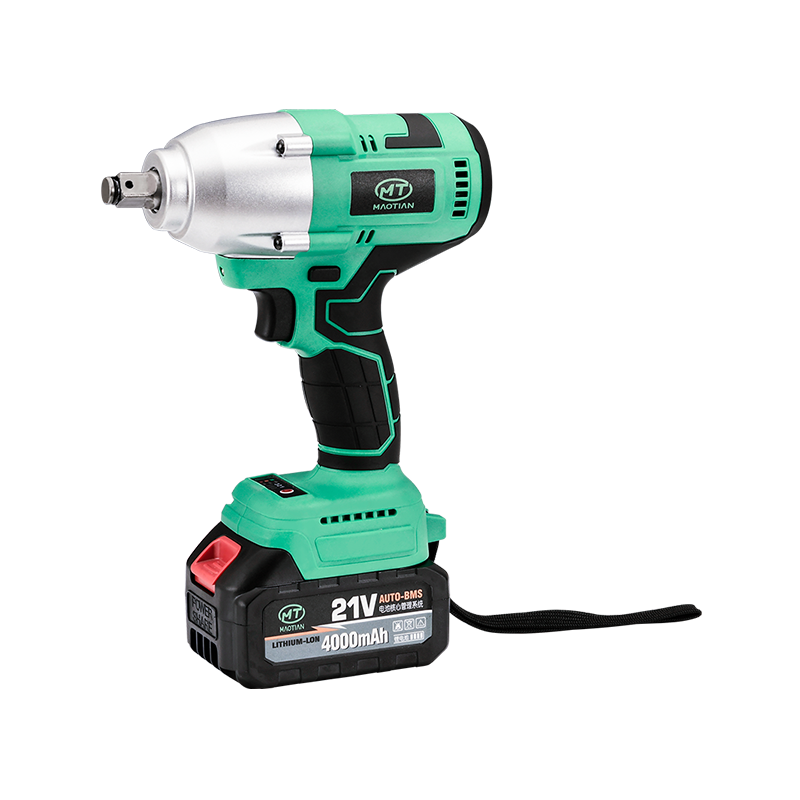
1/2" 20V Brushless Lightweight Li-ion Impact Wrench
read more -
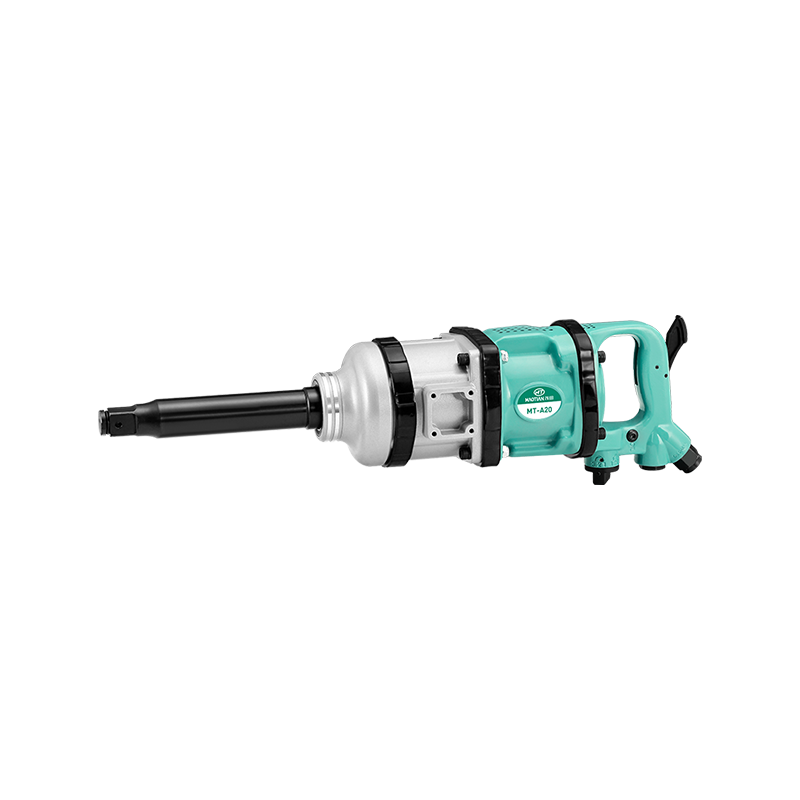
1" Heavy Duty Pinless Clutch Air Impact Wrench
read more -
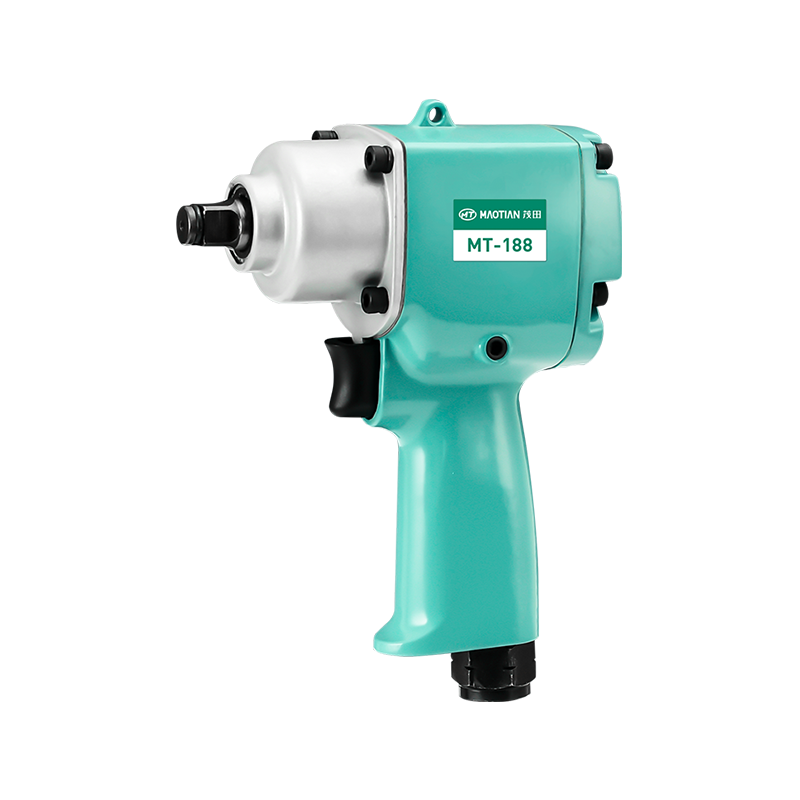
3/8 Inch Stubby Mini Air Impact Gun
read more
Contact
-
Official Address
Building 4, No. 1169, Jiutang South Road, Sanjia Street, Taizhou Bay New District, Taizhou City, Zhejiang , China.
-
Email Us
zoe@maotian-airtool.com
-
Call Us
+86 18815202028 (Zoe Sales Manager )
+86-576-82737789


Copyright © Taizhou Maotian Pneumatic Tools Co., Ltd.
Industrial Pneumatic Tools Factory


