

 中文简体
 Español
 عربى

What Features Should You Consider in a 4" Air Angle Grinder for Polishing and Cutting?

In workshops and industrial settings, a versatile tool that can handle both cutting and polishing tasks is essential. The 4" air angle grinder for polishing and cutting has become a common choice due to its compact size, maneuverability, and efficiency. Understanding its features, applications, and maintenance practices can help users get the out of this versatile tool. Proper training and familiarity with the tool's capabilities can further enhance productivity and safety.
1. Design and Compactness
One of the key advantages of a 4" air angle grinder for polishing and cutting is its compact design. The 4-inch disc allows for precision work in tight spaces while maintaining sufficient surface coverage for small to medium tasks. Factories and workshops often favor these grinders because they balance power and control. The ergonomic handle and lightweight construction reduce operator fatigue during extended use, making the tool suitable for both professionals and hobbyists. Additionally, the compact size enables easier storage and portability between different workstations.
2. Versatile Applications
A 4" air angle grinder for polishing and cutting can perform a range of tasks:
- Polishing: Ideal for finishing metal surfaces, smoothing welds, or restoring worn parts.
- Cutting: Capable of slicing through metal rods, sheet metal, or plastic components.
- Surface Preparation: Can remove rust, paint, or old adhesives efficiently.
Its versatility allows operators to switch between polishing and cutting with minimal downtime, improving workflow efficiency in workshops. The ability to handle multiple materials with one tool makes it a cost-effective solution.
3. Air-Powered Advantages
Unlike electric grinders, the 4" air angle grinder for polishing and cutting is powered by compressed air, which offers several benefits:
- Consistent Torque: Air tools maintain steady performance even under heavy load.
- Safety: Reduced risk of sparks compared to electric grinders in certain environments.
- Durability: Fewer electrical components mean longer lifespan under demanding conditions.
Air-powered grinders are particularly valued in automotive, metalworking, and fabrication shops for these reasons. They are also quieter in operation compared to some electric counterparts, which can help maintain a better working environment.
4. Handling and Maintenance
Proper handling and maintenance are crucial for long-term performance. A few key practices include:
- Lubrication: Regularly oiling the air motor reduces friction and wear.
- Air Supply Management: Maintaining correct air pressure ensures consistent speed and torque.
- Accessory Checks: Inspecting discs, polishing pads, and attachments prevents accidents and ensures quality results.
Following these steps helps the 4" air angle grinder for polishing and cutting operate safely and efficiently. Additionally, storing the tool in a clean, dry place prolongs its lifespan.
5. Choosing the Right Grinder
When selecting a 4" air angle grinder for polishing and cutting, consider the following factors:
- RPM and Power: Ensure it meets the requirements for your specific tasks.
- Disc Compatibility: Check that the grinder can accommodate both cutting wheels and polishing pads.
- Ergonomics and Weight: A lightweight, well-balanced grinder improves precision and reduces fatigue.
Understanding these factors ensures that the chosen grinder aligns with the intended applications and workshop environment. Consultation with manufacturers or suppliers can also help identify features that best suit your workflow.
The 4" air angle grinder for polishing and cutting is a versatile and practical tool for workshops and industrial applications. Its compact design, dual functionality, and air-powered reliability make it suitable for a wide range of tasks, from polishing and surface preparation to cutting metal and plastics. By selecting the right model, following proper handling and maintenance procedures, and ensuring operator training, users can enhance efficiency, precision, and safety in their workspace. Overall, this tool remains a valuable investment for both professional workshops and industrial operations.
Product Recommendations
-
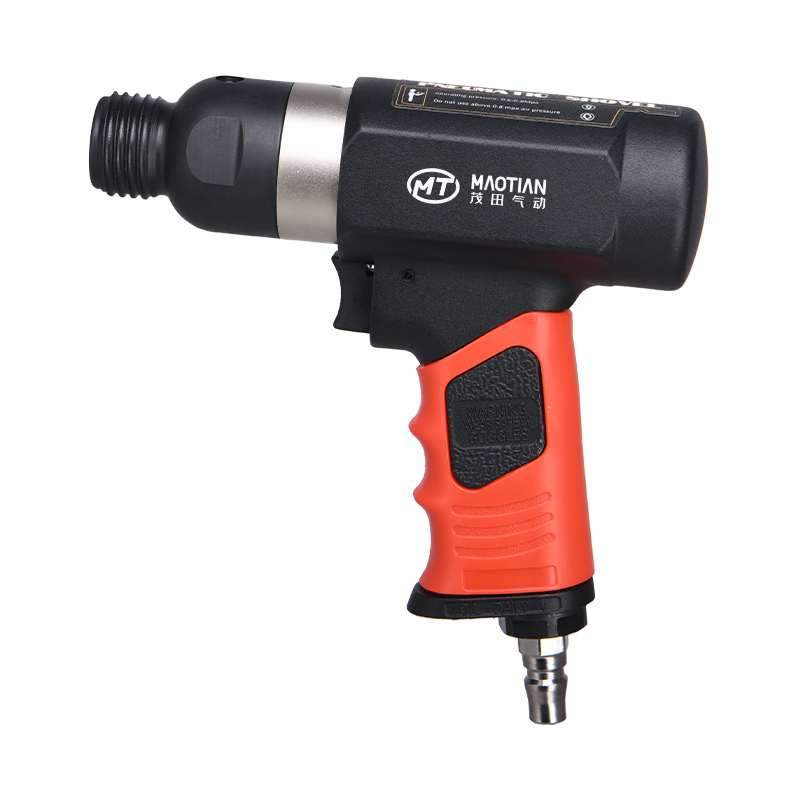
Heavy Duty Medium Barrel Air Hammer
read more -
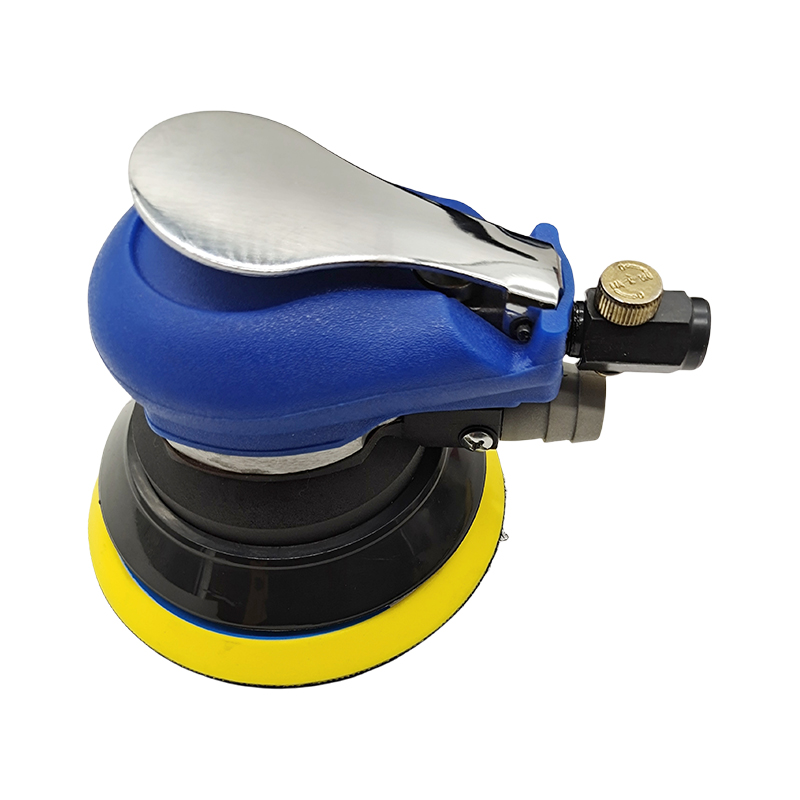
6" Pads And Sandpaper Air Random Orbital Polisher For Metal
read more -
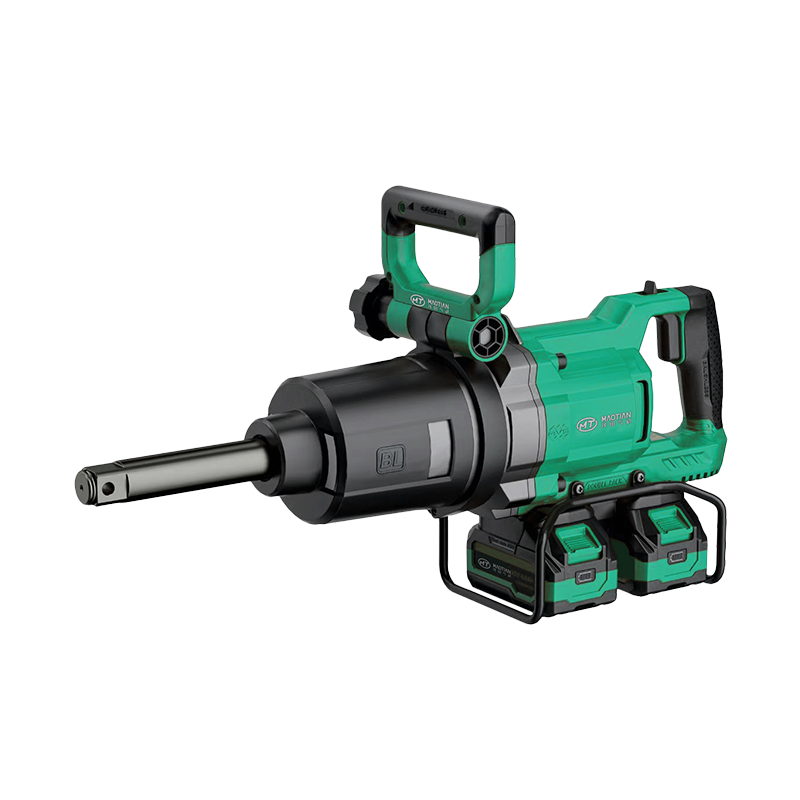
Ultra Duty 40V Strong Power Brushless 1" Li-ion Impact Wrench
read more -
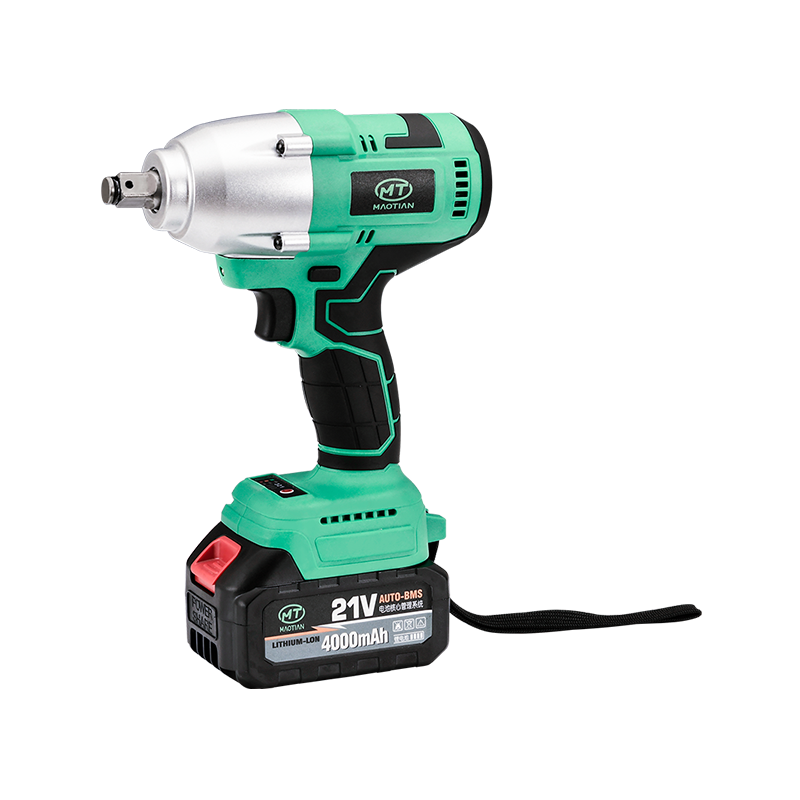
1/2" 20V Brushless Lightweight Li-ion Impact Wrench
read more -
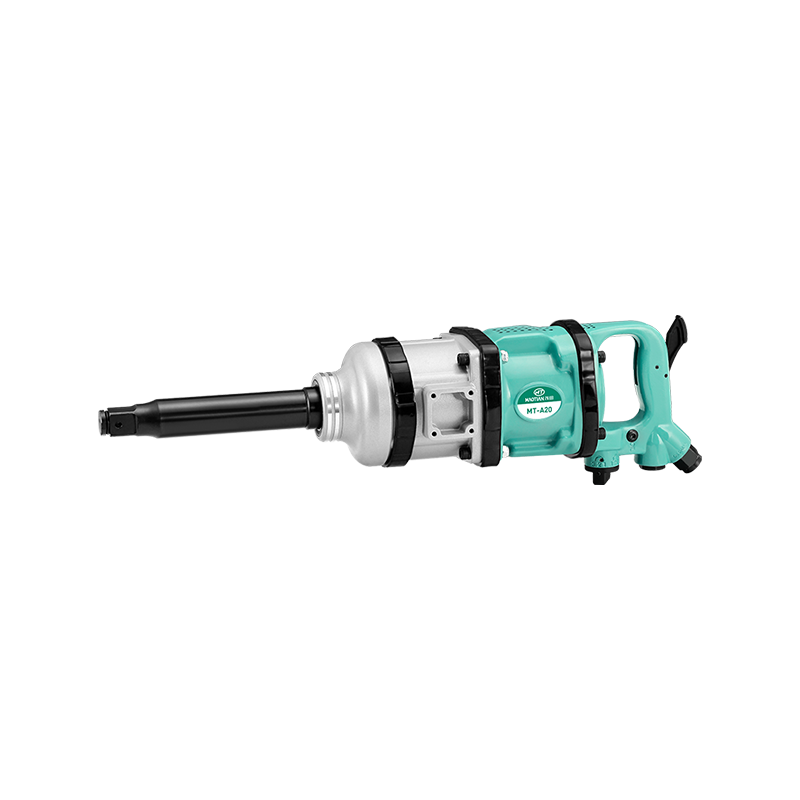
1" Heavy Duty Pinless Clutch Air Impact Wrench
read more -
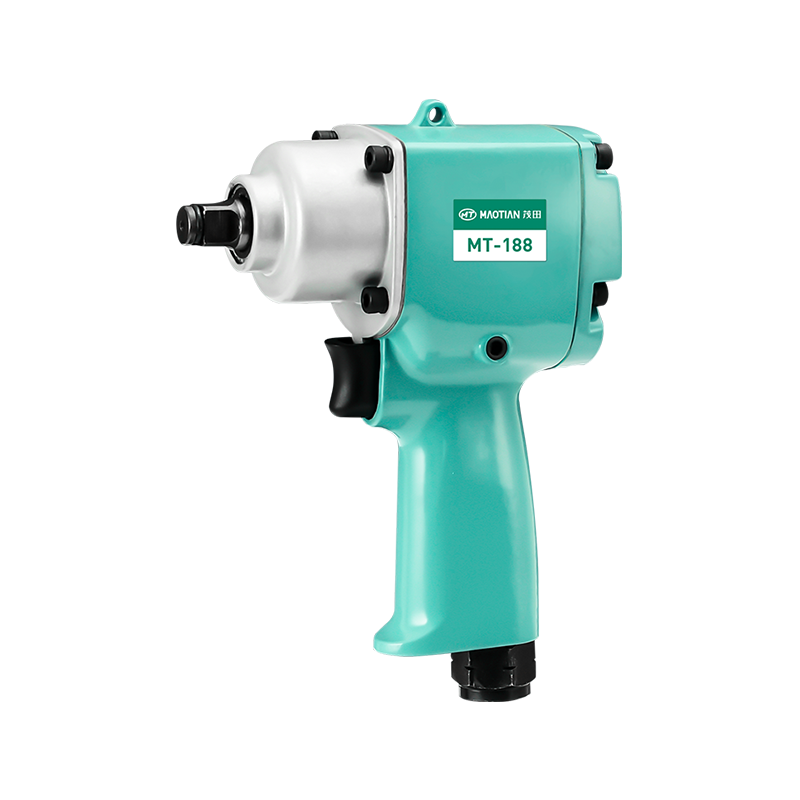
3/8 Inch Stubby Mini Air Impact Gun
read more
Contact
-
Official Address
Building 4, No. 1169, Jiutang South Road, Sanjia Street, Taizhou Bay New District, Taizhou City, Zhejiang , China.
-
Email Us
zoe@maotian-airtool.com
-
Call Us
+86 18815202028 (Zoe Sales Manager )
+86-576-82737789


Copyright © Taizhou Maotian Pneumatic Tools Co., Ltd.
Industrial Pneumatic Tools Factory


