

 中文简体
 Español
 عربى

What Can a Heavy Duty Chipping Hammer Do for Removal
Removing hard building material often requires more control than simple breaking. During renovation or repair work, only a selected section may need to come away, while nearby surfaces remain in place. A Heavy Duty Chipping Hammer can support such work through repeated impact delivered to a small contact area.
Concrete and masonry tend to resist ordinary hand tools because of their dense structure. Repeated impact creates cracks around a chisel point, allowing pieces to separate gradually. Rather than trying to remove a large section in one movement, an operator can work through smaller areas and adjust the position as cracks develop.
Such an approach can be useful for:
- Removing damaged concrete around a repair area
- Clearing unwanted material from a floor or wall
- Opening a narrow section for later work
- Breaking masonry pieces during renovation
- Removing hardened surface material
Tool size alone does not determine whether a task is suitable. Access, material condition, removal area, and surrounding structures all influence the working method.
How Does a Heavy Duty Chipping Hammer Break Hard Materials
A chipping hammer transfers repeated impact through a fitted chisel. When the chisel meets concrete or masonry, force concentrates around a relatively small area. Repeated strikes create cracks that gradually extend through the material.
Position plays an important role. Holding a chisel at a suitable angle helps direct impact toward the intended section. Random striking can create cracks in unwanted directions, particularly where a damaged section connects with sound material.
Progressive removal usually provides better control than trying to force a large piece away immediately. Once a small section has been opened, additional impacts can follow existing cracks and make removal easier.
Working rhythm also matters. Constant pressure is not always necessary because material response changes as pieces loosen. Pausing briefly to inspect the surface can show where another impact should be placed.
A simple working sequence can be viewed as:
Position Chisel → Apply Impact → Check Cracks → Remove Loose Material → Adjust Position
Such a process keeps attention on material response rather than relying on force alone.
What Types of Concrete Removal Work Can It Handle
Concrete removal can involve anything from a damaged surface section to a larger localized area. A handheld impact tool is useful when access is limited and removal needs to remain focused.
Surface chipping can expose a section that requires repair. Loose or unwanted material can be removed progressively, leaving a cleaner working area for later construction work.
Floor work presents another application. Uneven or damaged sections may need to be opened before replacement or repair. Wall surfaces can also require localized removal around damaged areas, openings, or old construction material.
Common tasks include:
- Surface chipping
- Localized concrete breaking
- Edge removal
- Repair‑area preparation
- Removal around openings
- Clearing hardened material from selected sections
Material condition changes the working response. Older concrete may contain cracks that guide removal, while a dense intact section can require more controlled positioning.
Surrounding structures also deserve attention. Plumbing, electrical lines, finished surfaces, and structural elements may exist close to a removal zone. Before impact work begins, the area should be checked according to site requirements.
How Can It Be Used for Masonry Removal
Masonry materials such as brick, block, and hardened mortar can respond differently from solid concrete. A chipping hammer can assist with localized removal where individual sections need to be separated from surrounding construction.
Brick may fracture along existing weaknesses, while mortar can sometimes be removed by directing the chisel toward joints rather than directly into adjacent masonry. Working along a joint can help preserve nearby pieces when selective removal is required.
Block structures require similar attention to contact position. Striking near an edge can produce a different result from working toward a central section. Cracks may also travel beyond the intended point, so gradual removal provides useful control.
For masonry work, attention can remain on:
- Joint condition
- Material thickness
- Existing cracks
- Chisel position
- Nearby surfaces
- Debris stability
Removing one section at a time can make the work easier to observe. Loose pieces should be cleared before continuing, since accumulated debris can hide cracks and change tool contact.

Why Does Chisel Selection Matter
A chisel is the part that transfers impact into the material, so its shape affects how force reaches a surface. Different profiles suit different removal tasks.
A pointed chisel concentrates impact into a small area and can help begin a break or open a narrow section. A flatter profile spreads contact across a wider area and may suit surface chipping or material removal along a broader section.
Selection should follow the task rather than convenience. Using a narrow point for broad surface work may create unnecessary marks, while a wide profile may be less suitable when a precise starting point is required.
Condition matters as well. A damaged or heavily worn chisel may not contact material as intended. Regular inspection can identify cracks, deformation, or other visible problems before work continues.
What Factors Affect Removal Results
Material does not always break in the same way, even when the same tool and chisel are used. Concrete condition, masonry structure, surface thickness, and previous damage can all change how impact travels through a working area.
A cracked section may separate along an existing weakness, while intact material can require gradual work from several positions. Surface thickness also affects how far an impact travels, so forcing the chisel into a difficult area may create unwanted cracking.
Access creates another consideration. A narrow working space limits movement and may make it difficult to keep the chisel aligned. Open areas provide more freedom to adjust the angle and remove loose fragments as work progresses.
| Working Factor | Possible Effect |
|---|---|
| Material Condition | Changes how cracks develop |
| Surface Thickness | Affects removal approach |
| Chisel Position | Influences the direction of breaking |
| Access | Determines movement and working angle |
| Nearby Structure | Affects the level of control required |
Removal goals should also be clear before work begins. Breaking away a loose surface layer requires a different approach from opening a section inside a solid wall. A method suited to one task may create unnecessary damage during another.
How Can Controlled Chipping Reduce Unwanted Damage
Controlled chipping begins with a suitable starting point. Rather than striking randomly across a surface, work can begin near an existing damaged area, joint, edge, or other location that supports the intended removal path.
Once a small section has been opened, cracks can provide useful information about how the material is responding. Moving the chisel according to those changes can reduce unnecessary impact on nearby areas.
Gradual removal also makes it easier to recognize hidden problems. A cavity, unexpected reinforcement, pipe, or other obstruction may appear as material is cleared. Stopping briefly allows the area to be inspected before additional impact is applied.
A practical approach includes:
- Mark the intended removal area
- Begin from a suitable accessible point
- Keep the chisel aligned with the target
- Remove loose pieces regularly
- Watch for cracks outside the work zone
- Change position when material response changes
Operator control matters as much as impact force. Pressing harder does not always produce a cleaner result. Excessive pressure can make positioning less stable, particularly during work near edges or finished surfaces.
Concrete and masonry can also contain hidden stresses. A section may loosen unexpectedly after several impacts, so hands and body position should remain away from areas where fragments could move.
What Safety Issues Matter During Concrete and Masonry Chipping
Chipping hard construction materials creates several workplace hazards. Small fragments can travel away from the contact point, while dust and noise can affect people working nearby. Repeated vibration can also make prolonged operation uncomfortable.
Eye protection is important where fragments may become airborne. Suitable hearing protection, gloves, footwear, and respiratory protection should be selected according to site conditions and applicable safety requirements.
Bystanders should remain outside the immediate work zone. A person standing nearby may not notice a fragment moving away from the surface, especially when attention is focused on another task.
Before operation, check the tool and work area:
- Inspect the handle and housing
- Check the chisel and retaining area
- Examine cables or power connections where applicable
- Remove loose objects from the working space
- Identify unstable debris
- Confirm that surrounding areas are protected as required
Electrical equipment should be kept away from unsuitable wet conditions unless specifically designed for such use. Power connections also need to remain in appropriate condition throughout operation.
Dust management deserves attention during concrete and masonry work. Ventilation, suitable extraction, or other site‑approved controls can help limit airborne particles.
Safety also continues after the impact stops. Recently loosened material may remain unstable, so debris should be cleared carefully rather than pulled away without checking its condition.
How Should the Tool Be Maintained During Repeated Use
Maintenance helps keep a chipping tool in a suitable working condition. Inspection does not need to become complicated; regular attention to visible parts can identify problems before they interfere with operation.
The chisel deserves particular care because it receives repeated impact. Cracks, unusual wear, deformation, or other visible damage are reasons to stop and follow the appropriate replacement procedure.
Handles and housing should also be checked. Loose sections, damaged grips, unusual movement, or visible cracks can affect operator control.
Dust and debris may collect around accessible areas during construction work. Cleaning should follow the equipment instructions rather than using methods that could introduce moisture or damage electrical components.
A basic maintenance routine can include:
- Inspect the chisel before and after use
- Check retaining components
- Examine handles and housing
- Clean suitable external areas
- Check power connections where applicable
- Replace damaged parts through the proper procedure
Cooling requirements should also be respected. Continuous operation can cause equipment to become hot, so the manufacturer's operating instructions should determine when pauses are needed.
Maintenance should not involve improvised modification. A damaged component may require replacement or qualified service rather than adjustment with unrelated parts.
When Is a Heavy Duty Chipping Hammer Suitable for a Removal Task
A Heavy Duty Chipping Hammer can be suitable when concrete or masonry needs to be removed from a defined area and handheld impact provides enough control for the work.
Repair preparation, surface removal, localized breaking, edge work, and selected masonry removal are common situations where such a tool may fit the task. Limited access can also make a handheld approach practical when larger equipment cannot reach the working area.
Large‑scale demolition presents a different situation. A broad structure may require equipment designed to handle larger volumes of material, along with appropriate debris management and site planning. Choosing a handheld chipping hammer for an unsuitable removal area can make work slower and harder to control.
Several questions can help with selection:
- Is removal limited to a defined section?
- Can the operator reach the work area safely?
- Is the material suitable for impact‑based removal?
- Does nearby construction need to remain intact?
- Can loosened debris be cleared safely?
- Is the working environment suitable for handheld equipment?
A clear removal objective helps connect tool choice with actual site conditions. For localized concrete and masonry work, controlled impact can provide a practical way to open, chip, break, and clear selected material while allowing the operator to adjust the working position as the surface changes.
Material condition, chisel selection, working angle, surrounding structures, and operator control all influence the final result. Careful preparation and regular inspection can make the removal process more predictable without relying on excessive force.
Product Recommendations
-
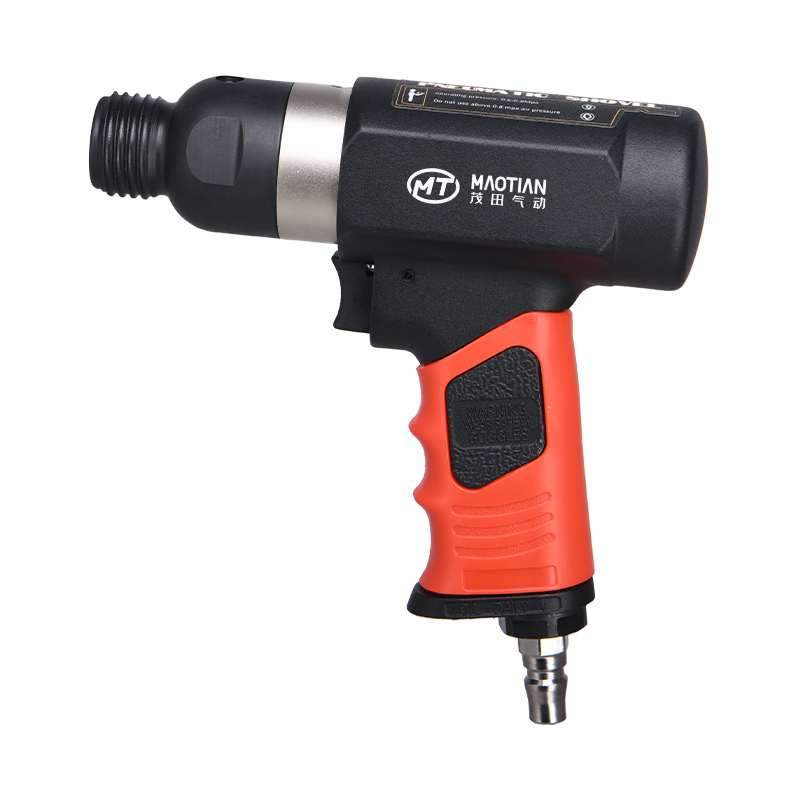
Heavy Duty Medium Barrel Air Hammer
read more -
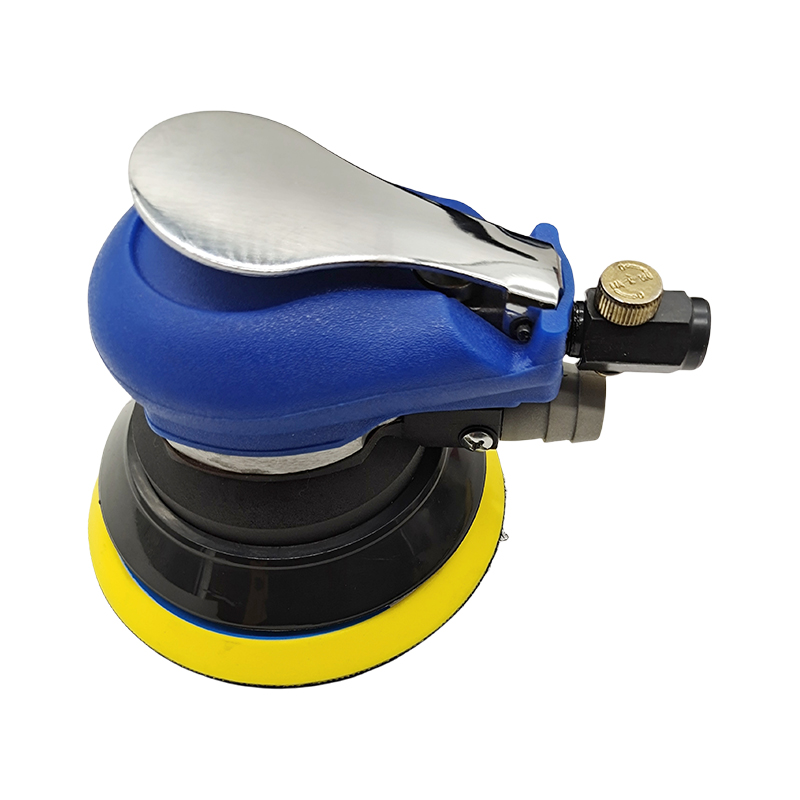
6" Pads And Sandpaper Air Random Orbital Polisher For Metal
read more -
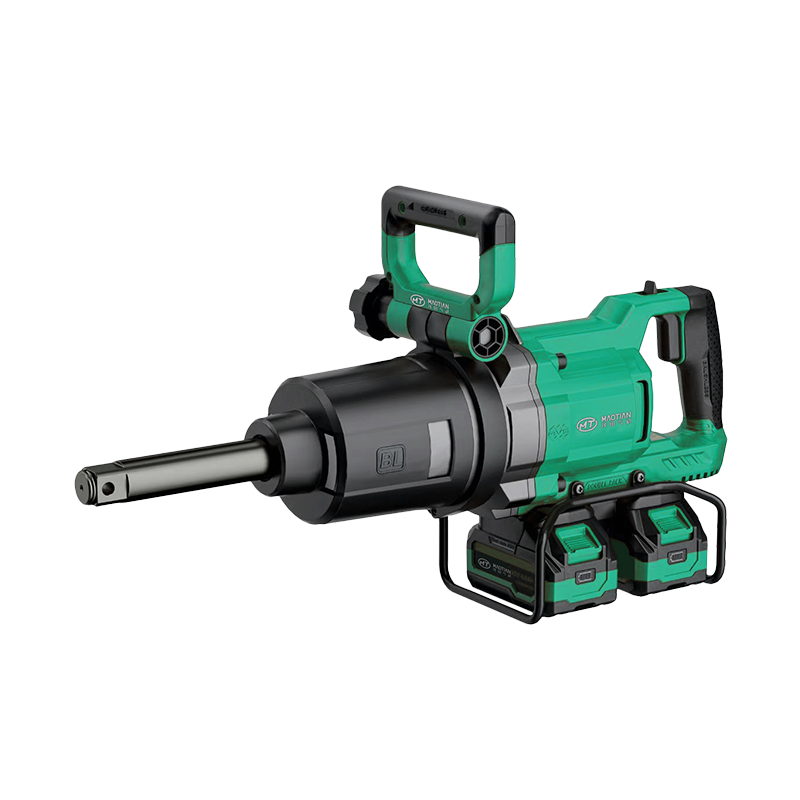
Ultra Duty 40V Strong Power Brushless 1" Li-ion Impact Wrench
read more -
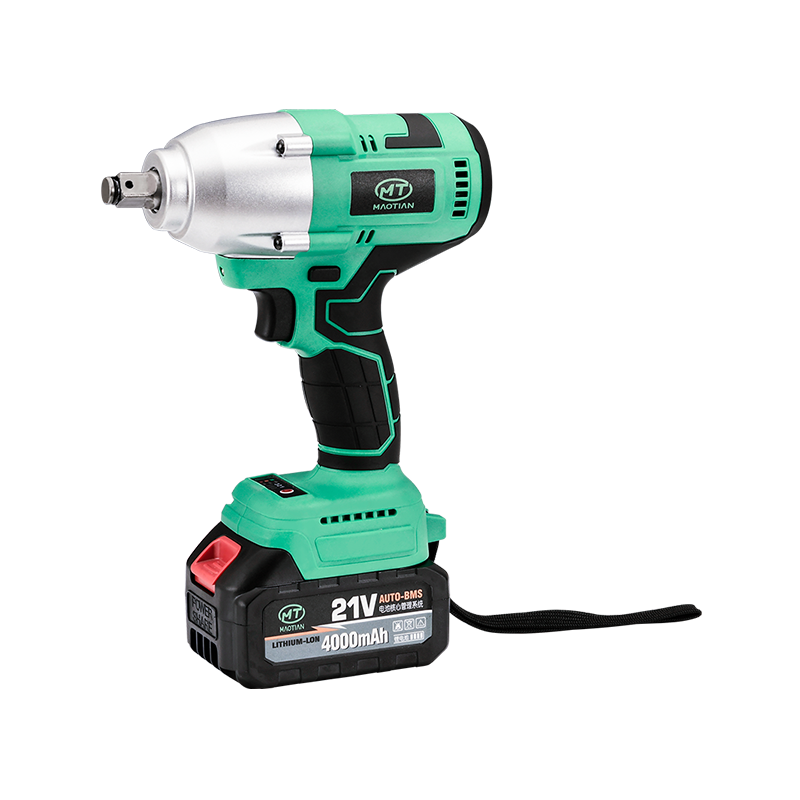
1/2" 20V Brushless Lightweight Li-ion Impact Wrench
read more -
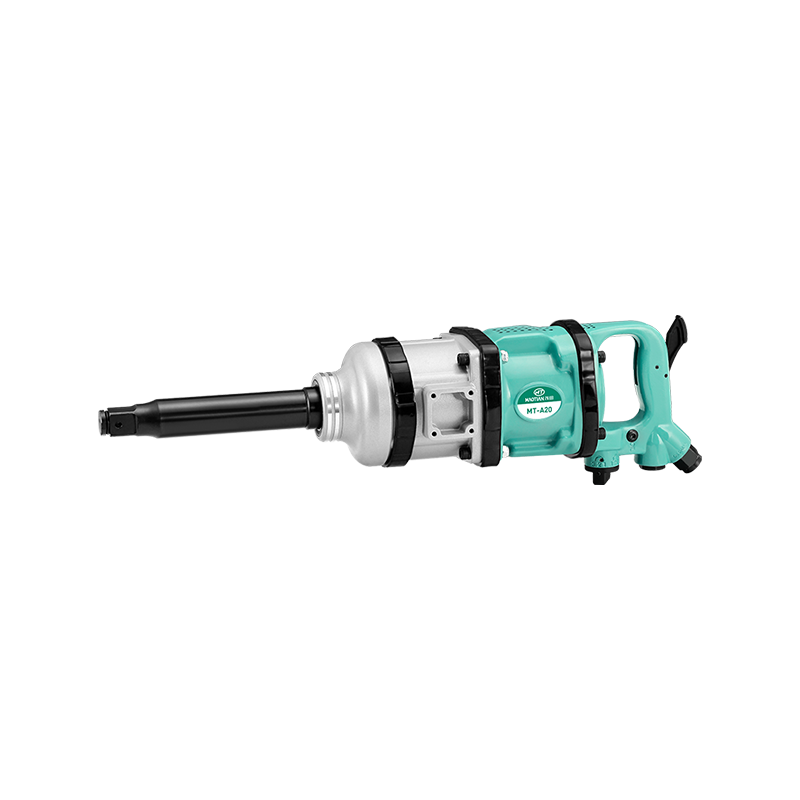
1" Heavy Duty Pinless Clutch Air Impact Wrench
read more -
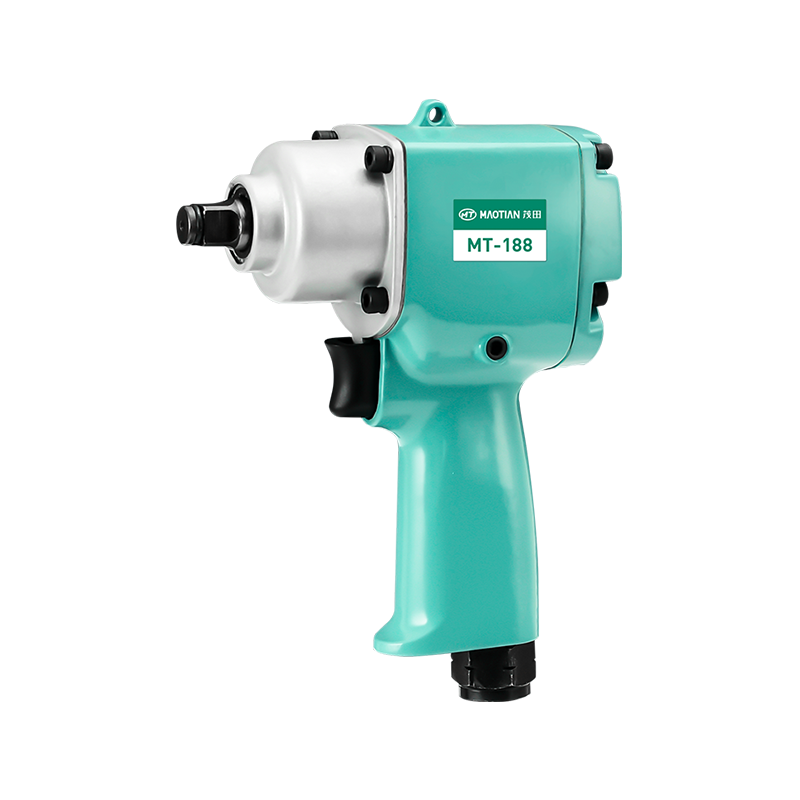
3/8 Inch Stubby Mini Air Impact Gun
read more
Contact
-
Official Address
Building 4, No. 1169, Jiutang South Road, Sanjia Street, Taizhou Bay New District, Taizhou City, Zhejiang , China.
-
Email Us
zoe@maotian-airtool.com
-
Call Us
+86 18815202028 (Zoe Sales Manager )
+86-576-82737789


Copyright © Taizhou Maotian Pneumatic Tools Co., Ltd.
Industrial Pneumatic Tools Factory


