

 中文简体
 Español
 عربى

What Are the Market Trends for 1" Air Impact Wrenches?

The 1" air impact wrench has become a critical tool in automotive, industrial, and heavy machinery applications. Its ability to deliver high torque for tightening and loosening large bolts makes it indispensable in workshops and manufacturing environments. Observing market trends for 1" Air Impact Wrench products provides insight into how the industry is evolving, including demand patterns, technological developments, and consumer preferences.
Growing Demand in Industrial Sectors
One of the noticeable trends for the 1" Air Impact Wrench is increasing demand from industrial sectors. Industries such as automotive repair, construction, and manufacturing rely on these tools to maintain efficiency and productivity.
As factories and assembly lines continue to expand, there is a greater need for tools that can handle heavy-duty operations reliably. This has driven suppliers to offer models that combine higher torque output with ergonomic designs to reduce operator fatigue. The consistent demand in industrial applications highlights the importance of performance and durability in purchasing decisions.
Emphasis on Durability and Reliability
Durability is becoming a central factor for consumers of 1" Air Impact Wrench products. Heavy-duty tasks require tools that can withstand continuous use and exposure to harsh conditions without losing performance.
Manufacturers are responding by improving materials, internal mechanisms, and protective coatings. Models with reinforced housings, corrosion-resistant components, and robust internal parts are gaining attention. Buyers now prioritize reliability alongside torque output, focusing on tools that offer longevity in demanding environments.
Integration of Ergonomics and User-Friendly Design
Another emerging trend is the focus on ergonomics. Traditional air impact wrenches can be heavy and cumbersome, causeing to operator fatigue during extended use. Manufacturers are incorporating ergonomic handles, lighter materials, and balanced designs to improve comfort and reduce strain.
The trend toward user-friendly designs also includes noise reduction and vibration control. Tools that are easier and safer to use appeal to professional mechanics and industrial operators alike, shaping purchasing preferences in the market for 1" Air Impact Wrench products.
Technological Advancements
Technological innovation is shaping the 1" Air Impact Wrench market. Manufacturers are enhancing air motor efficiency, adjusting torque control systems, and providing modular components for easier maintenance. Some tools now include adjustable power settings to accommodate different bolt sizes and materials, offering more versatility.
These advancements not only improve operational efficiency but also reduce wear on both the tool and fasteners. Buyers increasingly seek models that combine traditional air-powered strength with advanced performance features, reflecting a shift toward smarter and more adaptable tools.
Market Expansion and Global Availability
Globalization and the expansion of industrial markets have increased the accessibility of 1" Air Impact Wrench products. Manufacturers are exporting tools to emerging markets where construction and automotive industries are growing rapidly.
This trend has encouraged competitive pricing and broader product availability. Suppliers are responding to market needs by offering different torque ratings, sizes, and accessories tailored to various applications. Regional preferences, such as the demand for compact or lightweight models, also influence the design and marketing of these tools.
The market trends for the 1" Air Impact Wrench reflect a combination of industrial demand, focus on durability, ergonomic improvements, technological advancements, and global availability. Buyers are seeking tools that deliver high performance, long service life, and ease of use, while manufacturers are innovating to meet these expectations.
As industries continue to grow and technology evolves, the market for 1" Air Impact Wrench products is likely to expand further, with greater emphasis on reliability, versatility, and user-centered design. Understanding these trends helps both suppliers and consumers make informed decisions in selecting tools that meet the demands of modern industrial applications.
Product Recommendations
-
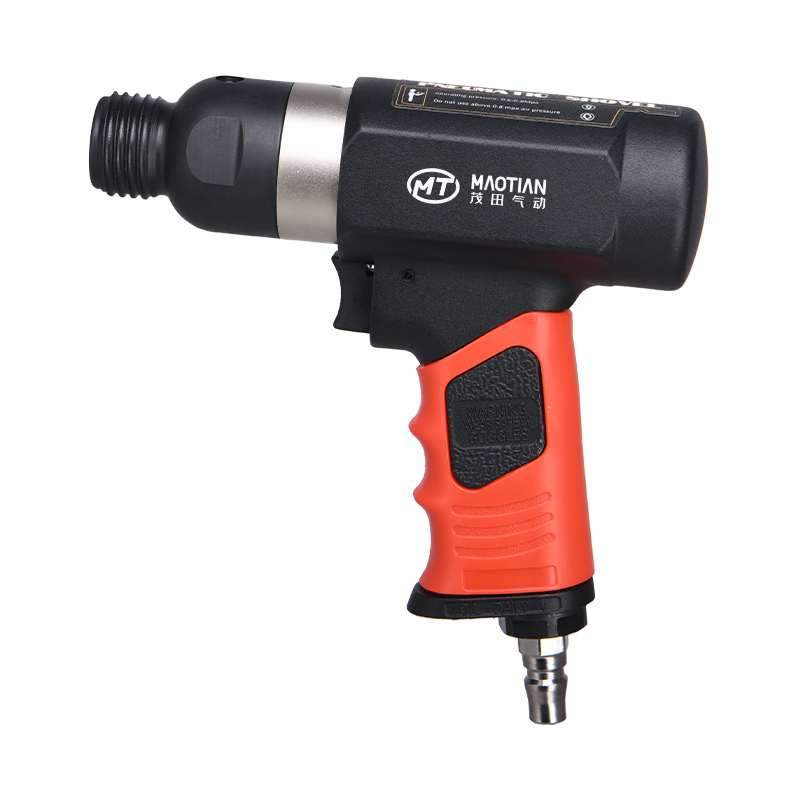
Heavy Duty Medium Barrel Air Hammer
read more -
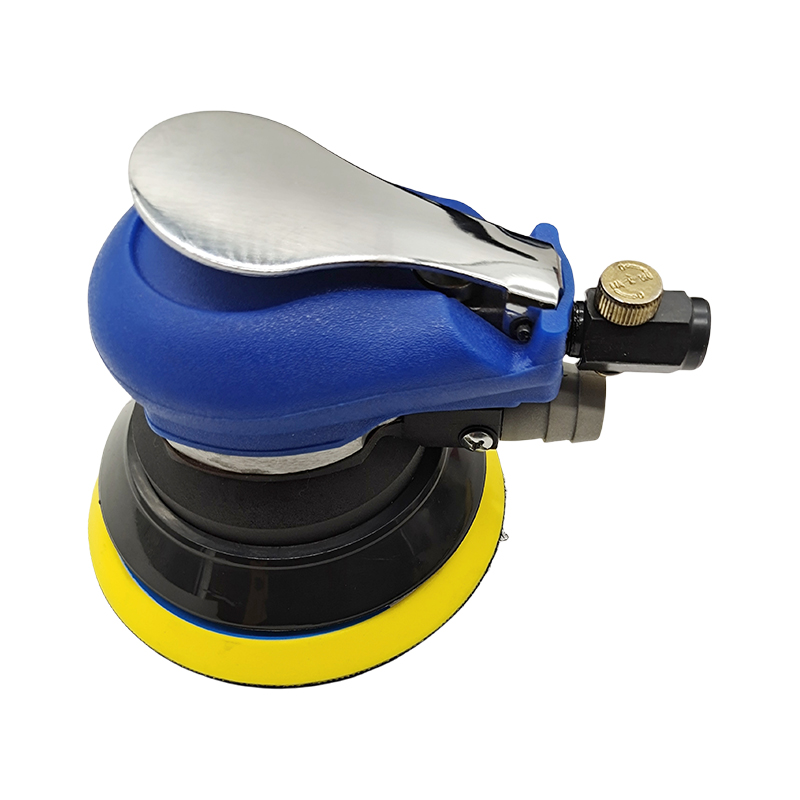
6" Pads And Sandpaper Air Random Orbital Polisher For Metal
read more -
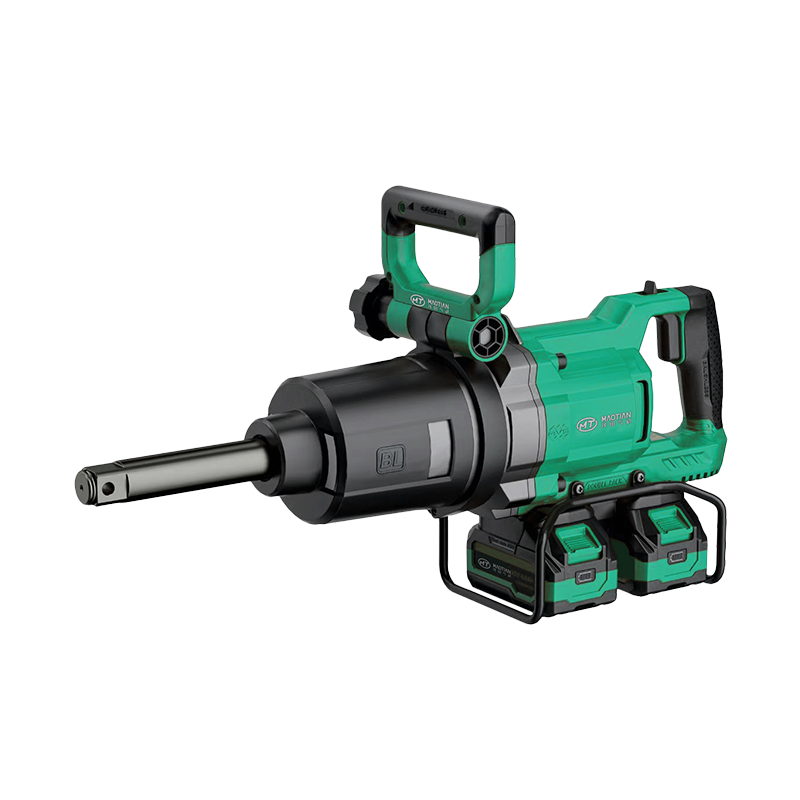
Ultra Duty 40V Strong Power Brushless 1" Li-ion Impact Wrench
read more -
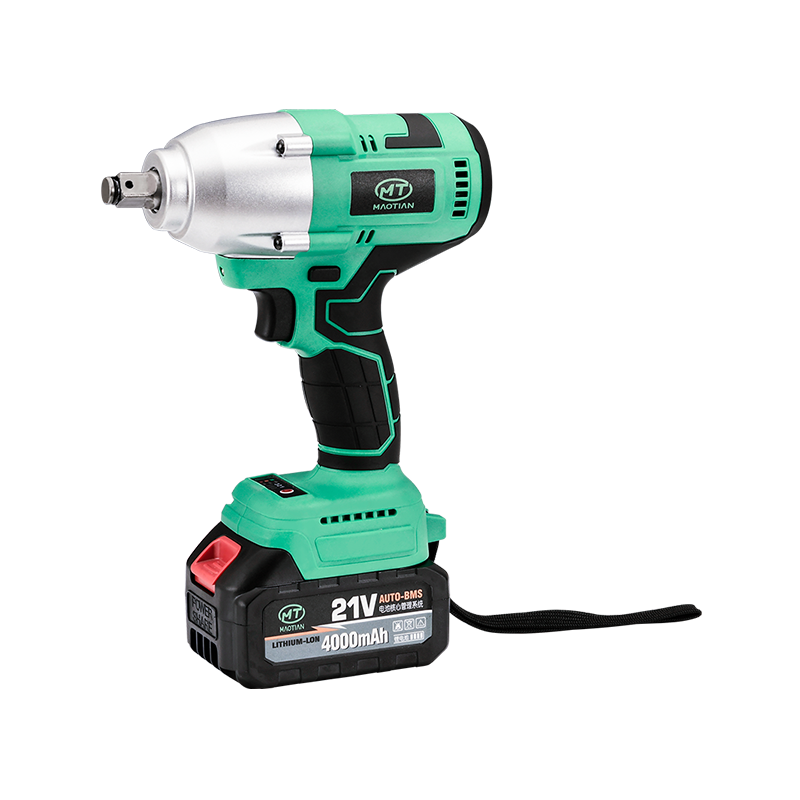
1/2" 20V Brushless Lightweight Li-ion Impact Wrench
read more -
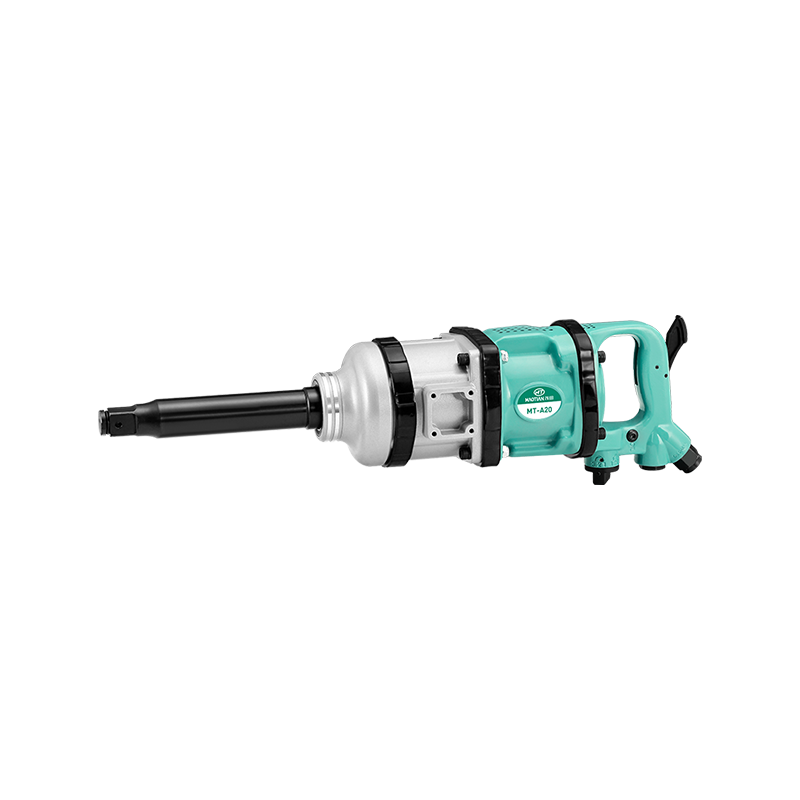
1" Heavy Duty Pinless Clutch Air Impact Wrench
read more -
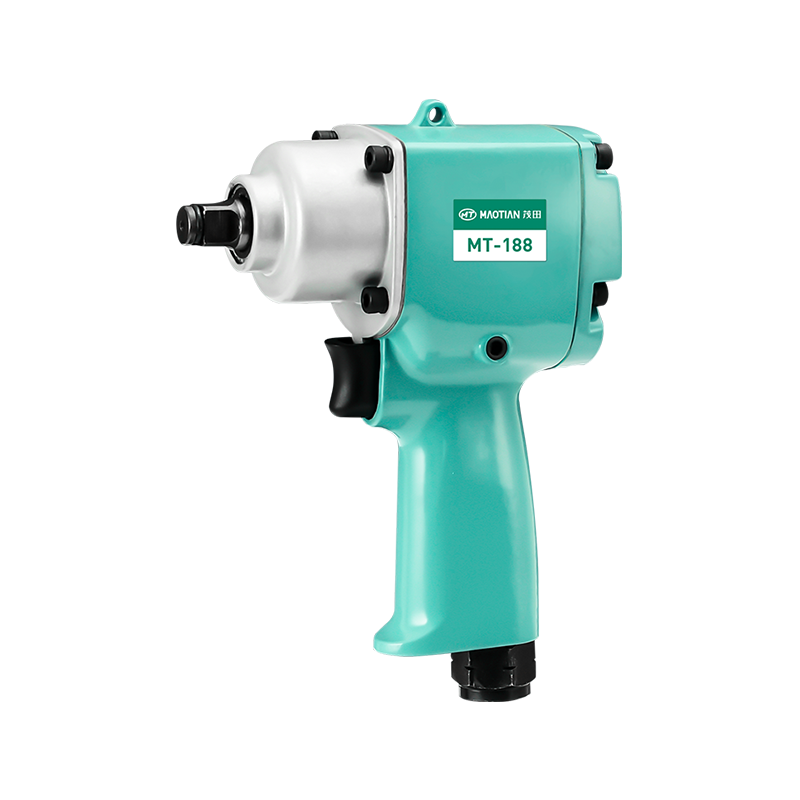
3/8 Inch Stubby Mini Air Impact Gun
read more
Contact
-
Official Address
Building 4, No. 1169, Jiutang South Road, Sanjia Street, Taizhou Bay New District, Taizhou City, Zhejiang , China.
-
Email Us
zoe@maotian-airtool.com
-
Call Us
+86 18815202028 (Zoe Sales Manager )
+86-576-82737789


Copyright © Taizhou Maotian Pneumatic Tools Co., Ltd.
Industrial Pneumatic Tools Factory


