

 中文简体
 Español
 عربى

How To Use D Handle Impact Wrench In Repair Tasks
Why Is A D Handle Impact Wrench Commonly Used In Repair Tasks
Repair work often deals with fasteners that have been exposed to long service conditions. Threads tighten over time, rust builds up, and vibration slowly increases resistance. A bolt that once turned without effort may later require far more force than expected.
In such situations, manual tools reach a practical limit. Extra force from a hand tool does not always change the result. What usually happens is more fatigue without stable progress. A D Handle Impact Wrench becomes useful here because movement is not delivered as one steady push. Instead, force comes in repeated short impacts.
Each impact adds a small turning effect. Resistance does not break at once, it weakens step by step. This is often easier to manage in real repair environments where conditions are not clean or predictable.
In workshops and field repairs, the tool appears in many routine tasks:
- loosening rusted fasteners on equipment
- tightening structural parts during assembly
- maintenance work on mechanical joints
- repeated fastening in service operations
The working idea is simple. Instead of forcing a bolt to move in one motion, movement is applied in short bursts until rotation becomes possible.
Even with this advantage, handling still matters. Torque reaction can be strong, especially when fasteners are tight. Control depends on grip and stance rather than tool power alone.

How Should A D Handle Impact Wrench Be Held For Stable Control
Handling is not only about holding the tool, it is about controlling movement that comes back during operation. A D Handle Impact Wrench is shaped to support two points of contact, which helps spread force across both hands.
One hand stays on the main grip where the trigger is located. The second hand supports the upper D-shaped section. This second point is not optional in practical use, since reaction force tends to rotate the tool during impact cycles.
When resistance increases, the tool tries to twist slightly in the opposite direction of rotation. A single-hand grip makes this movement harder to control. Two-hand support reduces that shift.
Body position works together with grip. Feet placed evenly create a stable base. Upper body remains aligned with the direction of the fastener instead of leaning to one side. In real repair spaces, this alignment often decides whether the tool feels controlled or unstable.
A simple working structure often looks like this:
- main hand manages trigger and direction
- support hand stabilizes upper handle
- arms stay close instead of stretched
- stance remains balanced before starting operation
Small changes in grip pressure or body angle can change how the reaction force feels during use.
Why Does Body Position Matter During Operation
Impact tools behave differently from slow rotating tools. Force does not stay constant. It arrives in short pulses. Each pulse creates a small backward reaction that travels through the tool body.
A D Handle Impact Wrench transfers this reaction directly into the hands and arms. If posture is not stable, the tool may shift slightly during impact cycles. This does not always stop operation, but it affects control.
Repair environments are rarely comfortable. Work may happen under a vehicle, inside a machine frame, or at an awkward angle. In those cases, body stability becomes part of tool control.
A stable position helps in several practical ways:
- keeps tool direction aligned with fastener
- reduces sudden movement when torque is released
- lowers strain during repeated operation
- improves consistency when resistance changes
Even small imbalance in stance can increase movement at the wrist or shoulder during impact use.
What Type Of Sockets Should Be Used With A D Handle Impact Wrench
Socket choice directly affects safety and tool behavior. A D Handle Impact Wrench produces repeated shock force. Standard sockets are not designed for that type of load.
Impact-rated sockets are made for repeated stress. The material structure is different, allowing it to handle sudden torque pulses without cracking easily. Wall thickness is also usually stronger compared to standard tools.
Connection between socket and anvil must stay firm during operation. Loose fitting increases risk of slipping when resistance is high. In repair work, fasteners are not always in good condition, so connection stability becomes important.
| Component Area | Practical Requirement | Reason in Use |
|---|---|---|
| Socket type | Impact-rated structure | Handles repeated force cycles |
| Fit on anvil | Tight and secure lock | Prevents slipping during torque |
| Surface condition | No visible wear or cracks | Reduces failure under load |
| Retention system | Stable engagement | Keeps socket fixed during impact |
In real repair situations, socket condition often decides how stable the operation feels, even when the tool itself is working normally.
How Should Direction And Torque Settings Be Checked Before Operation
Direction setting is one of the most basic checks, yet it affects the whole repair result. A wrong direction can turn a loosening task into tightening, which increases resistance instead of reducing it.
Before starting work, rotation direction needs confirmation. Forward and reverse functions are used depending on whether fasteners are being installed or removed.
Some models also include torque adjustment. Lower levels are used when fasteners are delicate or small. Higher levels are used when resistance is strong or bolts are stuck.
A practical preparation habit usually includes:
- checking rotation direction
- confirming socket attachment
- adjusting torque level when available
- positioning tool before trigger use
These steps take little time but help avoid unnecessary damage to threads or fasteners during repair work.
How Does 1 Pneumatic Impact Wrench Perform In Workshop Conditions
A 1 Pneumatic Impact Wrench works through compressed air. Air enters the tool and drives internal components that create repeated impact motion. The principle is mechanical, driven by airflow rather than stored electrical energy.
In workshop environments, pneumatic tools are often used where air supply systems are already available. Continuous air flow allows steady operation without waiting for charging or power recovery.
Performance depends strongly on air stability. When airflow remains steady, impact output feels consistent. When airflow changes, tool response may feel uneven during repeated fastening cycles.
Common behavior in real use:
- steady airflow leads to stable torque output
- weak or uneven airflow leads to inconsistent impact strength
- long operation periods rely heavily on air supply quality
Compared to other drive methods, pneumatic systems depend more on external conditions than internal energy storage.
Why Does Air Supply Change The Behavior Of 1 Pneumatic Impact Wrench
A pneumatic impact wrench does not create force on its own. Movement comes from air entering the tool and driving internal parts in repeated motion. Because of that, the condition of the air line directly affects how the tool feels during work.
In real workshops, air is rarely perfectly steady. A long hose, shared connection, or small leakage can slightly change how air reaches the tool. These changes are not always obvious, yet they become noticeable during continuous fastening.
When air supply is stable, the wrench delivers even impact rhythm. When air becomes weaker or uneven, the response feels different. Torque may drop slightly, and rotation may take longer to build up.
Common real factors affecting air delivery:
- hose distance between source and tool
- multiple tools using the same air line
- small leaks at connection points
- moisture inside the airflow path
A simple comparison of working feel:
| Air Condition | Tool Response | What Happens In Practice |
|---|---|---|
| steady air | consistent impact cycle | smooth fastening process |
| slight variation | mild torque shift | uneven resistance feeling |
| weak supply | reduced striking force | slower loosening work |
| unstable flow | irregular motion | unpredictable output |
Even when the wrench itself is in normal condition, airflow decides how stable the operation feels.
Why Impact Force Needs Controlled Use During Fastening Work
Impact tools do not rotate in a smooth line. Force comes in short bursts, and each burst carries enough energy to move tight fasteners. In repair work, that energy needs control because fasteners are not always in good condition.
Some bolts are already worn, some have surface rust, and some sit under uneven pressure. Continuous impact on these fasteners can transfer too much force into one point.
A more controlled working style is often used:
- short trigger bursts instead of long holding
- checking movement after each cycle
- adjusting pressure based on fastener response
- stopping once resistance begins to release
This approach keeps the fastener from being stressed too quickly. Movement becomes gradual instead of sudden, which is easier to manage in real repair conditions.
How Can Over Tightening Be Avoided In Real Repair Tasks
In many repair situations, tightening is done quickly because there are many fasteners to handle. Impact tools make the process faster, but the same speed can lead to excessive force if control is not careful.
Once a bolt reaches its seating point, continued impact may compress threads more than needed. Over time, this can make removal harder or affect the fit of connected parts.
A common working method separates the process:
- use impact wrench to bring fastener into place
- stop once contact becomes firm
- finish final adjustment with manual control tool
This simple separation reduces unnecessary stress on threads. It also keeps fastening more consistent across repeated repair tasks.
What Safety Practices Matter During D Handle Impact Wrench Operation
A D Handle Impact Wrench produces noticeable reaction force during operation. When resistance is high, the tool can push back through the handle. Without stable grip, small shifts in direction may appear.
Repair environments often include noise, vibration, and limited working space. These conditions make stable handling more important than tool speed.
Common safety habits in real use:
- keeping both hands on the tool during operation
- holding the body in line with fastening direction
- maintaining steady foot placement before triggering
- using eye protection against debris
- reducing exposure to impact noise through protection
Control depends on how force is managed through the body, not only how the tool is held.
How Does Maintenance Affect Pneumatic Impact Wrench Stability
Inside a pneumatic impact wrench, movement relies on air-driven internal parts. Over time, dust and moisture can enter the airflow path and affect how smoothly these parts move.
Lubrication is often used to keep internal motion steady. Without it, internal friction may increase slightly, which can change how consistent the impact feels.
Routine attention usually includes:
- checking air inlet for blockage
- ensuring hose connections remain tight
- inspecting housing for wear or cracks
- observing trigger response during use
Air quality also plays a role. Moisture inside the air line can slowly affect internal movement, especially during long working periods.
Why Usage Habits Shape Long Term Tool Behavior
Tools used in repair environments often go through repeated cycles of fastening and loosening. Over time, small habits influence how stable the tool feels during operation.
Heavy continuous use without breaks can increase internal wear. Controlled use helps maintain smoother response.
Simple habits that influence long term behavior:
- avoiding unnecessary long trigger holding
- checking socket condition before each task
- keeping air supply stable for pneumatic systems
- allowing short pauses during long operation cycles
These habits do not change the structure of the tool, but they influence how consistent it feels in daily work.
A D Handle Impact Wrench and a 1 Pneumatic Impact Wrench serve similar purposes in repair tasks. Both are used to handle fastening under resistance. The main difference comes from how force is created and delivered.
One depends on compressed air, while the other focuses on mechanical handling structure and internal impact behavior. Despite different systems, both aim to reduce manual effort and handle repetitive fastening more efficiently.
In real repair environments, performance depends more on:
- grip stability during operation
- condition of sockets and fasteners
- stability of air or power supply
- overall condition of the working surface
When these factors stay balanced, both tools can work in a predictable and manageable way across different repair situations.
Product Recommendations
-
Heavy Duty Medium Barrel Air Hammer
read more -
6" Pads And Sandpaper Air Random Orbital Polisher For Metal
read more -
Ultra Duty 40V Strong Power Brushless 1" Li-ion Impact Wrench
read more -
1/2" 20V Brushless Lightweight Li-ion Impact Wrench
read more -
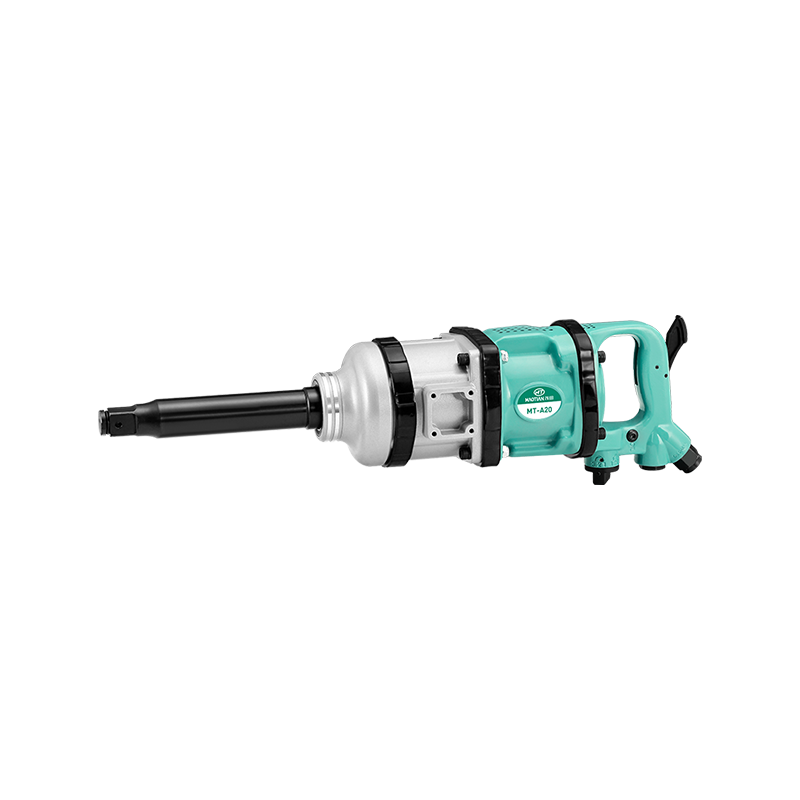
1" Heavy Duty Pinless Clutch Air Impact Wrench
read more -
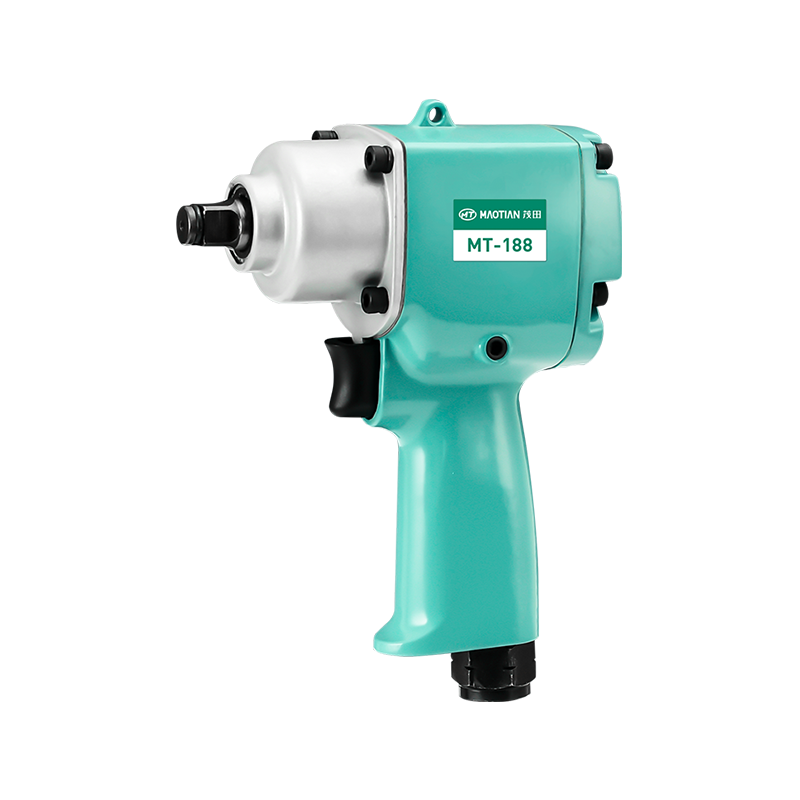
3/8 Inch Stubby Mini Air Impact Gun
read more
Contact
-
Official Address
Building 4, No. 1169, Jiutang South Road, Sanjia Street, Taizhou Bay New District, Taizhou City, Zhejiang , China.
-
Email Us
zoe@maotian-airtool.com
-
Call Us
+86 18815202028 (Zoe Sales Manager )
+86-576-82737789


Copyright © Taizhou Maotian Pneumatic Tools Co., Ltd.
Industrial Pneumatic Tools Factory


