

 中文简体
 Español
 عربى

How to Select the Right Pneumatic Angle Die Grinder for Your Work?
Choosing the right pneumatic angle die grinder is essential for achieving professional results in metalworking, automotive repair, and industrial maintenance. These compact yet powerful tools offer precision, speed, and flexibility in tight workspaces. However, with so many models on the market, selecting the right one for your specific task can be overwhelming.
Understand the Tool's Purpose
Before purchasing a pneumatic angle die grinder, assess the type of work you will be doing. Are you grinding welds, deburring edges, or polishing metal surfaces? If you need to perform precise work in confined spaces, a small pneumatic angle grinder will offer the compactness and control required. On the other hand, if you need a general-purpose grinder for a wide variety of tasks, a standard pneumatic air angle grinder with adjustable speed might be more suitable.

Consider the Size and Ergonomics
A small pneumatic angle grinder is designed to be lightweight and easy to handle, which makes it ideal for detailed tasks and prolonged use. Its compact size allows users to access tight spaces and awkward angles with ease. When choosing a pneumatic angle die grinder, look for models with an ergonomic grip and a balanced body to reduce fatigue during extended use.
Evaluate the Power Source and Air Requirements
The performance of a pneumatic air angle grinder depends on the air compressor it is connected to. Always check the tool's air consumption (CFM) and required operating pressure (PSI). Make sure your air compressor can supply the necessary airflow. A small pneumatic angle grinder generally consumes less air, making it compatible with mid-sized compressors found in workshops.
Speed and Control Options
Speed control is a critical feature when selecting a pneumatic angle die grinder. Some materials require slower speeds to prevent damage, while others need high-speed grinding for efficiency. Look for a model that offers variable speed control or a throttle lever. This allows for more precise operation, whether you're using a pneumatic air angle grinder for cutting, grinding, or polishing.
Check Compatibility with Attachments
Different applications require different attachments such as grinding wheels, sanding discs, or polishing pads. Make sure your pneumatic angle die grinder is compatible with a wide range of accessories. A small pneumatic angle grinder should also have a secure collet or chuck that holds bits tightly, minimizing vibrations and ensuring accurate performance.
Assess Build Quality and Durability
When investing in a pneumatic air angle grinder, quality matters. Opt for grinders made with durable materials like aluminum housing or composite bodies that resist wear and tear. Some models are designed for industrial use and can withstand tough environments. A well-built pneumatic angle die grinder will last longer and require less maintenance.
Safety Features
Safety should never be overlooked. Look for pneumatic air angle grinders with built-in safety throttles to prevent accidental starts. A small pneumatic angle grinder should also have an exhaust system that directs air away from the user, and guards that protect from debris.
Choosing the right pneumatic angle die grinder is about matching the tool's capabilities with your project needs. Whether you need the portability of a small pneumatic angle grinder or the robustness of a full-sized pneumatic air angle grinder, understanding the key factors—size, power, speed control, and compatibility—will cause better results. Investing in the right tool not only increases efficiency but also ensures safety and long-term satisfaction in your work.
Product Recommendations
-
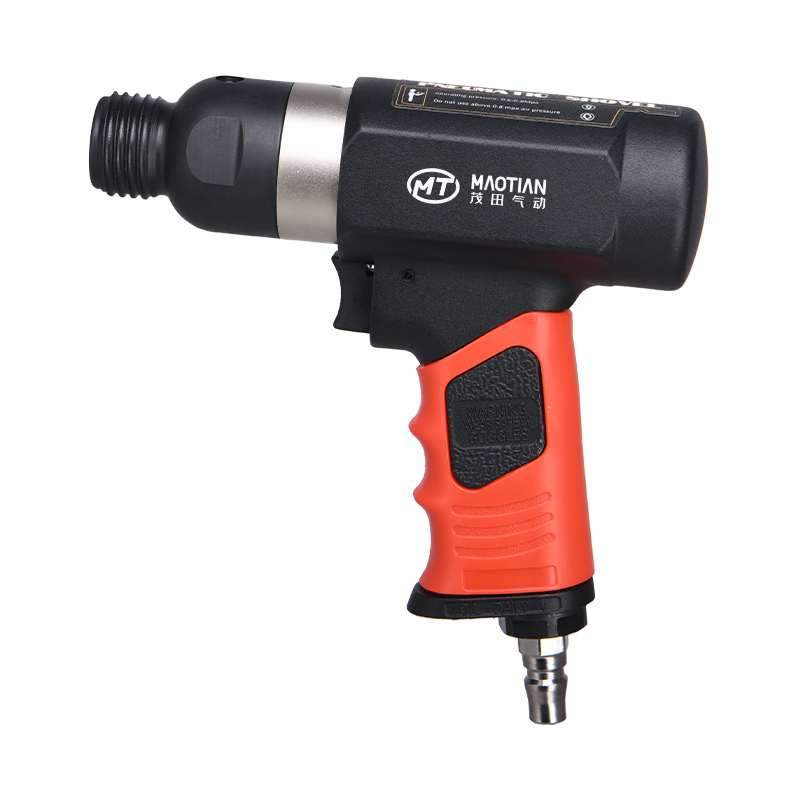
Heavy Duty Medium Barrel Air Hammer
read more -
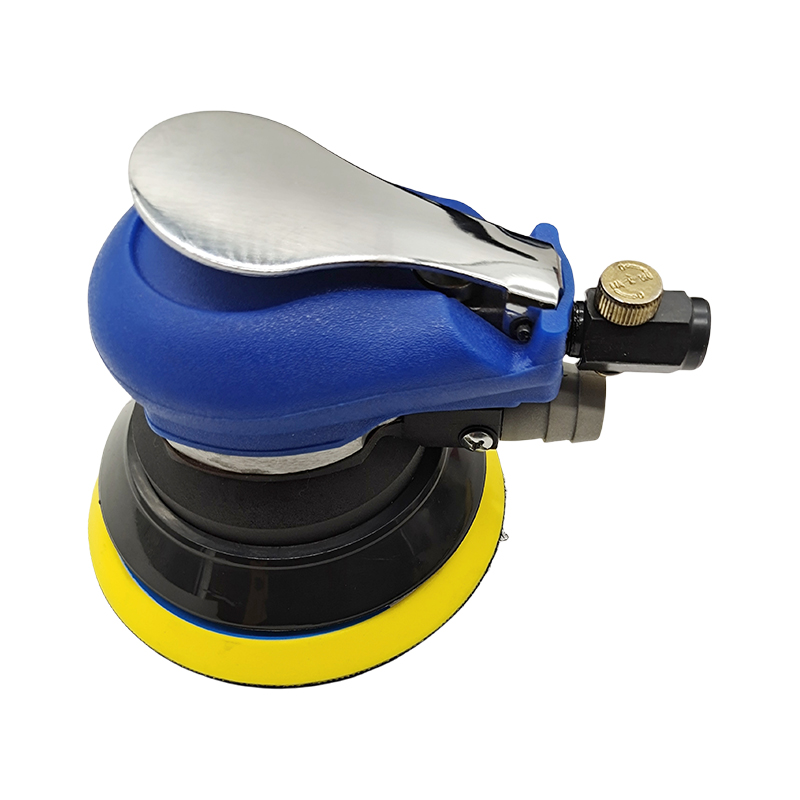
6" Pads And Sandpaper Air Random Orbital Polisher For Metal
read more -
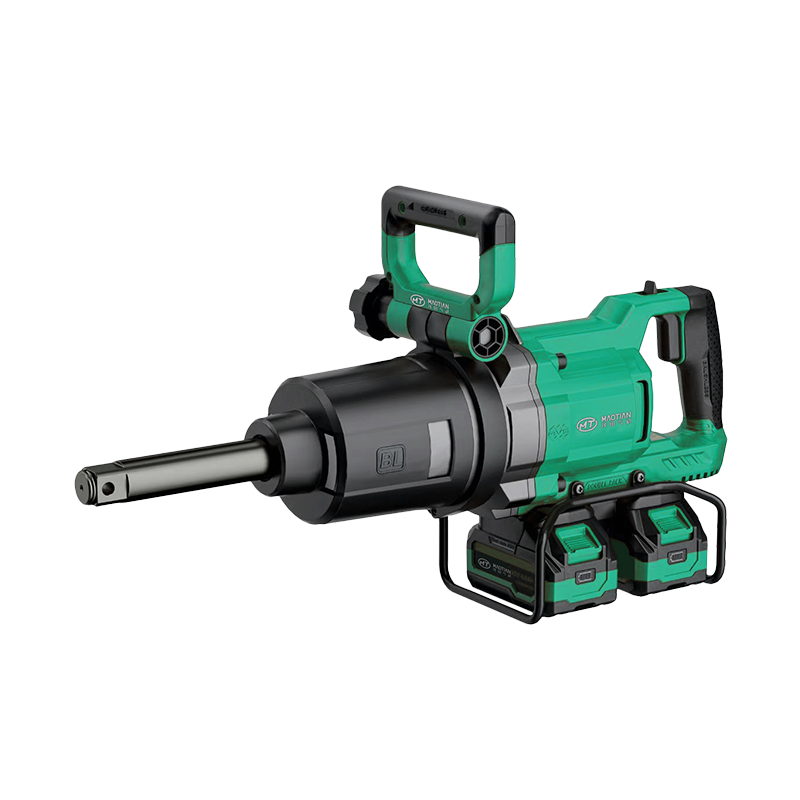
Ultra Duty 40V Strong Power Brushless 1" Li-ion Impact Wrench
read more -
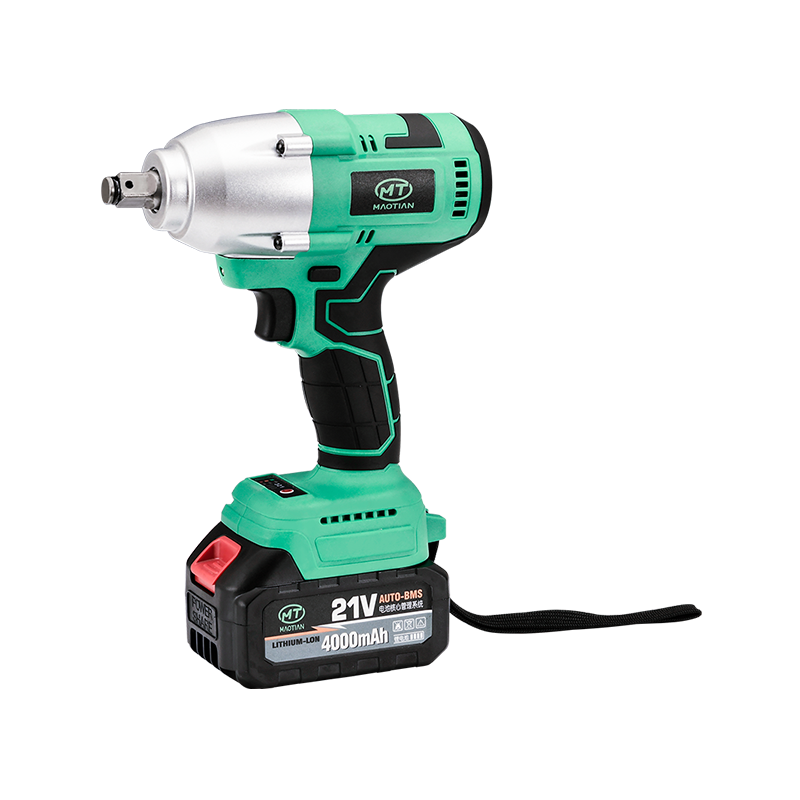
1/2" 20V Brushless Lightweight Li-ion Impact Wrench
read more -
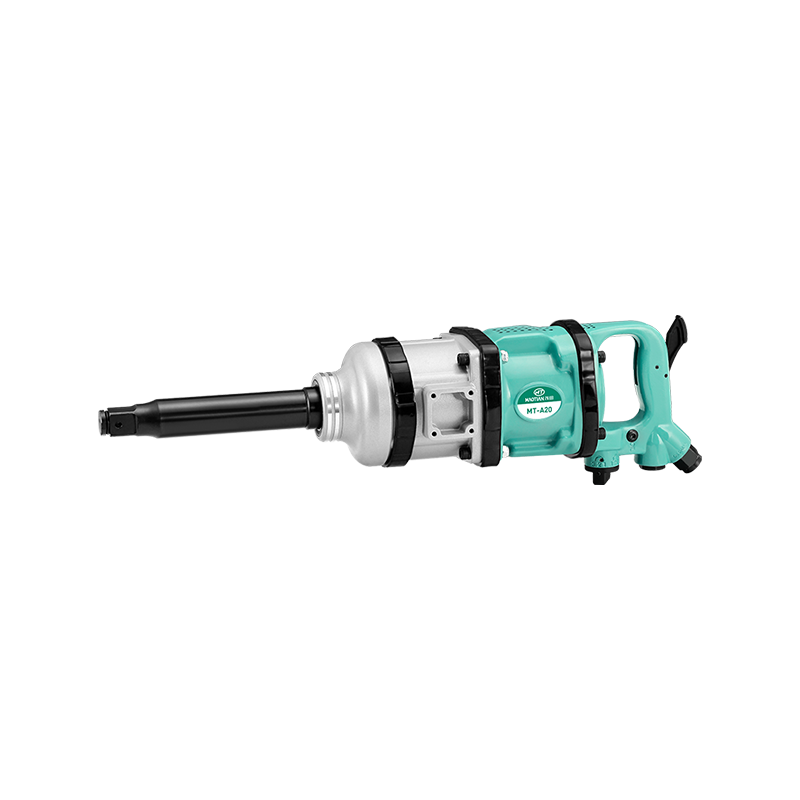
1" Heavy Duty Pinless Clutch Air Impact Wrench
read more -
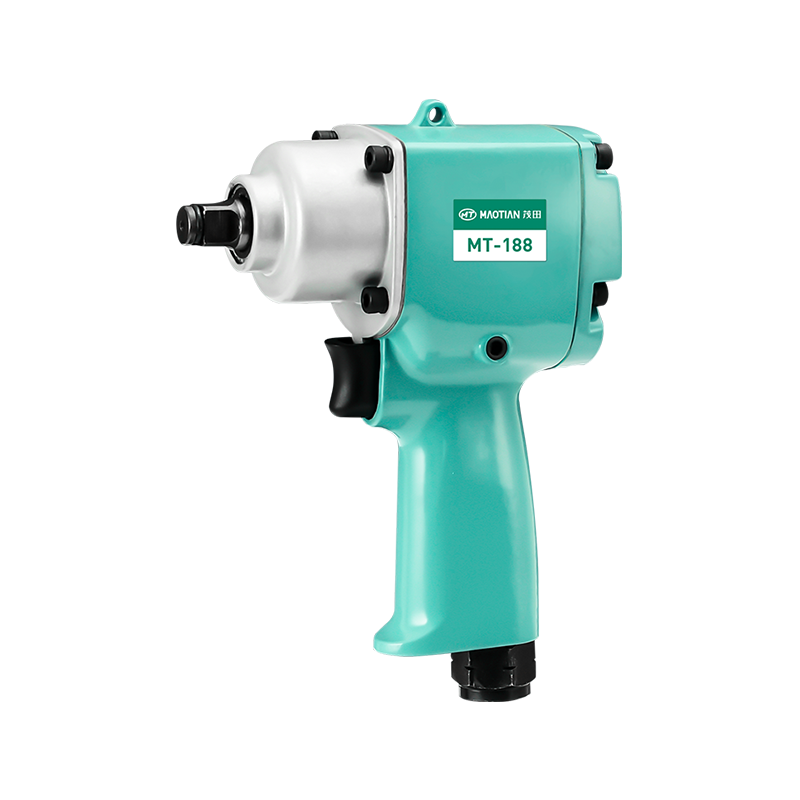
3/8 Inch Stubby Mini Air Impact Gun
read more
Contact
-
Official Address
Building 4, No. 1169, Jiutang South Road, Sanjia Street, Taizhou Bay New District, Taizhou City, Zhejiang , China.
-
Email Us
zoe@maotian-airtool.com
-
Call Us
+86 18815202028 (Zoe Sales Manager )
+86-576-82737789


Copyright © Taizhou Maotian Pneumatic Tools Co., Ltd.
Industrial Pneumatic Tools Factory


