

 中文简体
 Español
 عربى

How to Maintain a D Handle Impact Wrench for Long-Term Workshop Use
A workshop tool rarely stays clean for long. Grease from fasteners, dust from the working area, and small metal particles can settle on a D Handle Impact Wrench during normal use. Much of the dirt remains on the outside, although air openings, joints, and spaces around the working end may also collect residue.
Cleaning should start after the air supply has been disconnected and any remaining pressure has been released. A dry cloth works well for ordinary dust and grease on the housing. Areas around the handle can be wiped more carefully, especially where hands frequently touch the surface.
A soft brush can help remove loose particles from narrow spaces. There is little need to push dirt deeper into openings while cleaning, since particles around an air inlet or moving section may create problems later.
Water should not be poured over the tool. A damp workshop environment can already create enough concern around an air‑powered tool, so adding liquid during routine cleaning is unnecessary. When a cloth is used, keeping moisture away from openings and connections is a sensible precaution.
The working end deserves a separate check. Remove dirt around the socket area and look for signs of wear on the attached accessory. Cleaning provides a convenient moment to notice small changes that may otherwise be missed during a busy shift.
A simple cleaning routine can include:
- Disconnecting the air supply
- Wiping dust and grease from the outer housing
- Brushing loose particles away from narrow areas
- Keeping air openings clear
- Cleaning around the handle and trigger
- Checking the working end before storage
Regular light cleaning is easier to manage than allowing workshop residue to build up for a long period. It also gives operators a natural opportunity to look over the condition of the tool.
What Should You Check Before Using a D Handle Impact Wrench
A quick inspection before use can reveal problems that are difficult to notice once work has started. A D Handle Impact Wrench may receive knocks, vibration, dirt, or repeated handling during normal workshop activity, so its condition can change gradually.
Start with the housing and handle. Look for cracks, loose sections, or anything that appears different from its normal position. Pay attention to the trigger area as well. Movement should feel normal rather than stiff, loose, or obstructed.
Next, check the working end and socket. A worn or damaged socket may affect how the tool engages with a fastener, while a loose connection can create an avoidable problem during operation. Accessories should be suitable for impact work and checked before use.
Air connections also need a visual check. A hose that has been dragged across a rough floor may develop damage, while a fitting can become loose after repeated handling. Connecting a tool to a questionable hose does not solve the condition of either part.
Previous use can also provide useful clues. Unusual noise, vibration, air leakage, or a noticeable change in operation should not simply be ignored. Manufacturer guidance commonly recommends stopping use when abnormal operation or visible damage appears.
A pre‑use inspection does not need to become a long procedure. Looking at a few important areas before connecting the air supply can help separate a normal workday from a maintenance issue.
How Does Clean Air Affect Air Impact Wrench Maintenance
An air impact wrench depends on the condition of the air reaching it. Dust and moisture inside an air line can travel toward the tool, especially when hoses or connected equipment are not kept clean.
A workshop may appear dry while moisture still collects inside an air system. Condensation can also remain in hoses or related equipment. For that reason, checking the air supply should form part of routine workshop care rather than being treated as a problem only after tool performance changes.
Before connecting a D Handle Impact Wrench, inspect the hose and connection. Look for visible dirt, moisture, kinks, or damage. A hose that has been lying on a dirty floor may carry particles toward the tool, while a damaged section may allow air to escape.
Keeping the air path clean also means paying attention to equipment connected upstream. Moisture removal and air filtration should follow the care instructions for the particular workshop system. Maintenance guidance for air tools commonly links clean, dry air with reduced internal wear and more consistent operation.
Hose placement matters during daily work as well. Running a hose across sharp edges, hot surfaces, or areas with heavy foot traffic can cause unnecessary damage. A cleaner route usually makes handling easier and reduces accidental pulling on the tool.
Good air supply care is therefore not limited to the wrench itself. Hose condition, connections, moisture control, and general workshop cleanliness all influence how the tool is treated from one job to another.
How Should You Lubricate a D Handle Impact Wrench
Lubrication is part of routine care for many air‑powered tools. Moving internal parts rely on suitable lubrication, while a lack of proper care may contribute to rough operation or increased wear. Manufacturer instructions should always determine the lubricant and method for a particular model.
For tools designed to receive oil through the air inlet, the air supply should be disconnected before adding lubricant. Only the lubricant specified for the tool should be used. Mixing random oils from the workshop shelf can create problems, especially when a product was not intended for air‑tool use.
Quantity also matters. Adding more lubricant does not necessarily provide better care. Excess oil may travel into areas where it is not needed and can collect dust around the outside of the tool.
Lubrication is easier to manage when treated as part of the normal workshop routine rather than an occasional response to rough operation. Heavy use, storage conditions, and the design of a particular tool can affect the recommended care interval, so the supplied instructions should take priority over a general schedule.
After lubrication, reconnect the air supply only according to the tool instructions. A short period of unloaded operation may be specified to help distribute lubricant inside the tool. Any unusual sound or behavior afterward deserves attention rather than continued use.
Internal servicing is different from ordinary user maintenance. When the internal mechanism needs to be opened, inspected, or cleaned, work should follow the manufacturer's service guidance or be handled by a qualified person.

How Can Air Hoses and Connections Affect Workshop Use
An impact wrench and its air hose work as a connected system during everyday operation. A problem at either end can affect the working experience, so hose care deserves attention alongside tool maintenance.
Before use, run a quick visual check along the hose. Cracks, flattened sections, loose fittings, or signs of wear should not be overlooked. A hose that repeatedly bends at the same point may also need closer inspection.
Avoid lifting or pulling the D Handle Impact Wrench by its hose. Workshop movement can tempt operators to drag a tool from one work area to another by the connected line, especially when both hands are occupied. Such handling places unnecessary stress on the hose connection.
Connection points should remain clean and secure. Dirt around a fitting can make connection less convenient, while a loose connection may allow air to escape. Forcing a fitting into place is rarely a useful response when parts do not align properly.
Hose routing matters during work as well. Keep the line away from sharp corners, hot surfaces, moving equipment, and areas where it may be stepped on repeatedly. A clear route gives the operator more freedom to position the wrench without pulling against the connection.
When changing sockets or carrying out maintenance, disconnect the air supply and release pressure before working on the tool. Guidance for air impact wrenches consistently places air disconnection before inspection, cleaning, or accessory changes.
A little attention to hoses and connections can make daily tool handling easier while also giving operators another opportunity to notice wear before it becomes a larger workshop problem.
What Handling Habits Can Help Protect a D Handle Impact Wrench
Workshop work can be busy, with tools often moved from one station to another during a job. Rough handling may happen without much thought, especially when several tasks need attention at the same time. A D Handle Impact Wrench benefits from being carried by its intended grip rather than by the air hose or working end.
Dropping a tool onto a hard floor can affect more than its outer appearance. A knock may loosen a connection, damage the housing, or change the position of a small internal part. For that reason, placing the wrench down rather than throwing it onto a workbench is a simple habit worth keeping.
Sockets and other accessories also deserve care. A damaged socket can make contact with a fastener unevenly, while an unsuitable accessory may place unnecessary stress on the working end. Before starting a task, check that the attachment fits correctly and shows no obvious signs of damage.
The trigger should be operated with normal pressure. Forcing it when movement feels unusual does not improve operation and may make an existing problem harder to identify. Similar care applies to the working end, where excessive side pressure can affect parts that are intended to rotate rather than carry sideways force.
Before changing an attachment or carrying out cleaning, disconnect the air supply and release any remaining pressure. Removing the power source before maintenance gives the operator a safer starting point and prevents accidental movement during handling.
How Can You Recognize Problems During Routine Maintenance
Changes in daily operation can provide useful clues about the condition of an air tool. A wrench that sounds different from its usual operating pattern may need inspection, particularly when a change appears together with unusual vibration or reduced response.
Air leakage is another condition worth checking. A small leak around a connection may be related to a loose fitting, damaged hose, or worn sealing part. Listening around the connection area during a suitable inspection can help locate where attention is needed.
Physical changes should also be taken seriously. A cracked housing, loose handle, damaged trigger, or bent working end should not be treated as ordinary wear without further checking.
| Inspection Area | Signs That Need Attention | Suitable Action |
|---|---|---|
| Housing | Cracks or loose sections | Stop and inspect before continued use |
| Handle | Damage or unusual movement | Check the handle and surrounding parts |
| Trigger | Stiff or irregular movement | Avoid forcing it and arrange inspection |
| Air Connection | Leakage or loose fitting | Check the hose and connection |
| Working End | Damage or unusual movement | Remove the attachment and inspect |
| Operation | New noise or vibration | Stop use and identify the cause |
A change does not always mean that a major repair is needed. Early inspection can simply help determine whether the issue comes from the tool, accessory, hose, or connection. Continuing to work without checking may make that distinction harder later.
Workshop operators can also pay attention to how a tool behaves after cleaning or lubrication. A noticeable change following routine care may point toward an incorrect maintenance step, excess lubricant, or another condition that deserves review.
How Should a D Handle Impact Wrench Be Stored Between Jobs
Storage begins when work is finished, rather than when a tool is left untouched for a long period. Disconnect the air supply, release remaining pressure according to the equipment instructions, and remove dirt from accessible surfaces before putting the wrench away.
A dry storage location helps keep moisture away from metal parts and electrical components associated with connected equipment. Dust also deserves attention, especially in workshops where grinding, cutting, sanding, or similar work takes place nearby.
Avoid placing heavy tools or boxes against the wrench. Pressure on the handle may cause damage, while weight placed across the working end can affect its position. A dedicated space on a shelf, cabinet, or tool storage area makes accidental contact less likely.
Air hoses should not be left tightly wrapped around the wrench. A loose arrangement reduces unnecessary pulling around the connection and makes the tool easier to pick up for the next task.
For longer periods without use, an additional condition check is sensible. Look at the housing, handle, working end, and air connection before reconnecting the tool. Any moisture should be removed, and visible damage should be dealt with before operation.
Clean storage also helps preserve the work carried out during maintenance. There is little value in carefully wiping a tool and then placing it beside wet materials or in an area where loose metal particles are likely to settle.
What Maintenance Points Matter for an Air Impact Wrench Manufacturer
From a manufacturing perspective, maintenance begins with how a tool is designed and presented to users. An Air Impact Wrench Manufacturer needs to consider how easily operators can reach areas that require routine inspection, cleaning, or lubrication.
Handle shape is one practical consideration. A grip that can be held securely gives operators better control during movement and reduces the temptation to carry the tool by its hose or working end. Access around the air connection also matters because that area is handled regularly during connection and disconnection.
Maintenance instructions should match the actual construction of the tool. Users need clear guidance on cleaning, lubrication, air supply, storage, and accessory handling without having to interpret complicated procedures.
Packaging and storage also form part of the product journey. During handling and distribution, the wrench should be protected from unnecessary pressure, moisture, and impact. A damaged package may not always mean the tool itself has been affected, although visible changes should prompt a condition check.
For workshop use, practical design considerations include:
- Easy access to areas requiring routine care
- A handle that supports controlled handling
- Clear access to the air connection
- Straightforward cleaning guidance
- Suitable instructions for lubrication and storage
- Protection of vulnerable parts during transport and storage
Such considerations can make maintenance easier to follow once the tool reaches a working environment. Product care does not depend only on the operator; design, instructions, packaging, and workshop conditions all have a role.
How Can a Simple Maintenance Routine Support Long Term Workshop Use
A workable maintenance routine does not need to interrupt every task in a workshop. Cleaning after use, checking the condition before operation, caring for the air supply, and storing the wrench properly can become part of the normal workflow.
Frequency can also follow actual working conditions. A tool used around heavy dust may need more attention to its outer surfaces and air connections, while a cleaner work area may create fewer cleaning demands. Moisture, hose movement, and storage conditions can also change from one workshop to another.
Small signs should not be allowed to disappear into the background. A new sound, loose connection, damaged hose, or unusual trigger movement gives the operator a reason to pause and check the equipment. Early attention may prevent a minor maintenance concern from becoming a larger interruption.
A simple routine can follow a familiar order:
- Disconnect the air supply after use.
- Remove visible dirt from accessible surfaces.
- Check the handle, trigger, housing, and working end.
- Inspect the hose and air connection.
- Lubricate according to the tool instructions.
- Store the wrench in a clean, dry location.
Care also becomes easier when the surrounding air equipment receives similar attention. A clean hose, suitable air supply, and orderly storage area reduce unnecessary stress on the tool and make routine inspection more convenient.
Long‑term workshop use is closely connected with ordinary handling rather than occasional intensive maintenance. A wrench that is cleaned, checked, lubricated according to its instructions, and stored with care has a clearer maintenance history, making changes in condition easier to notice during later use.
Product Recommendations
-
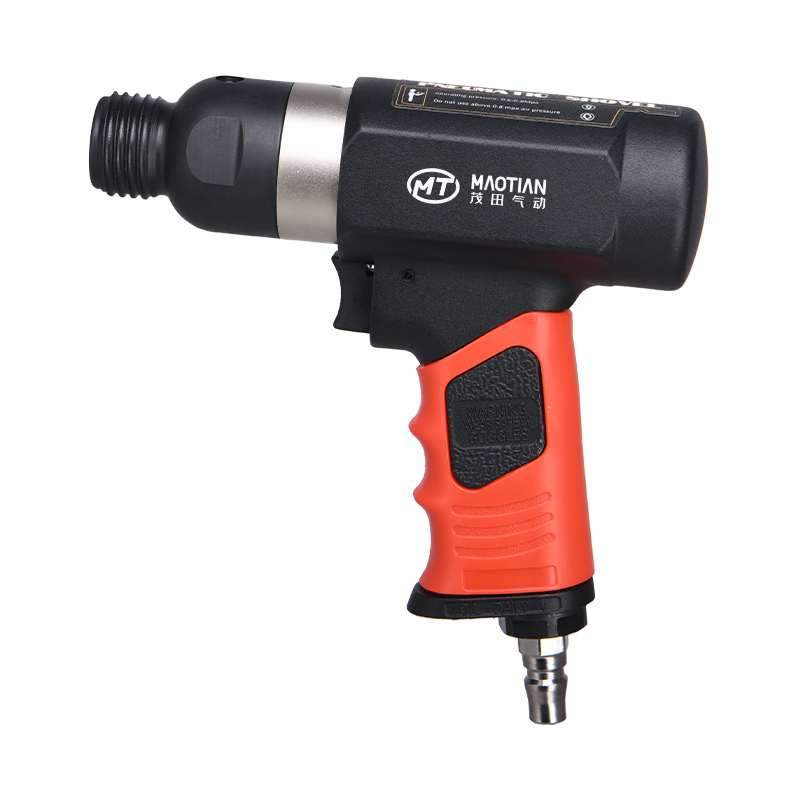
Heavy Duty Medium Barrel Air Hammer
read more -
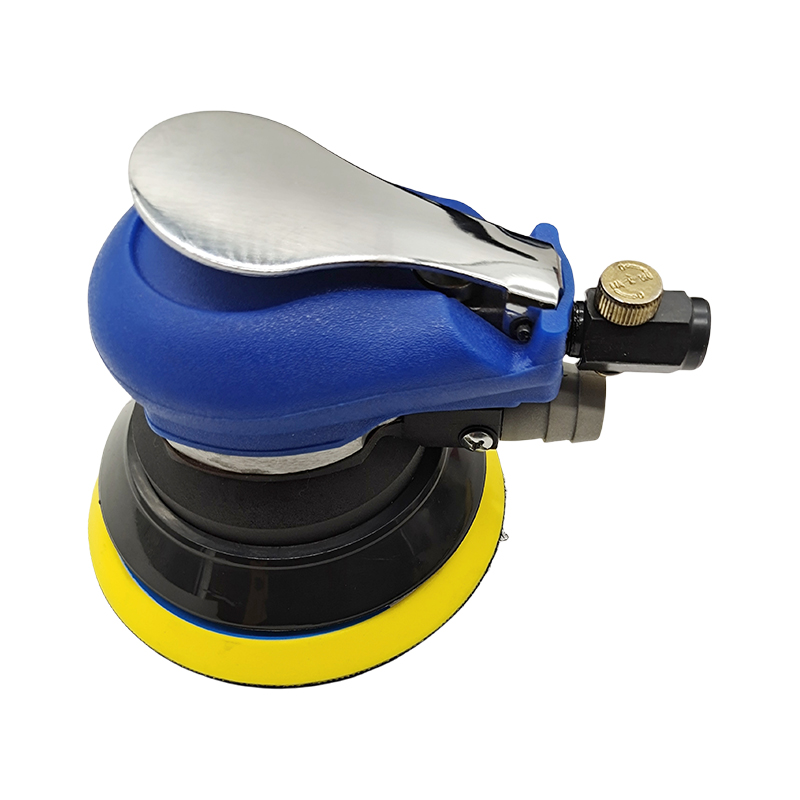
6" Pads And Sandpaper Air Random Orbital Polisher For Metal
read more -
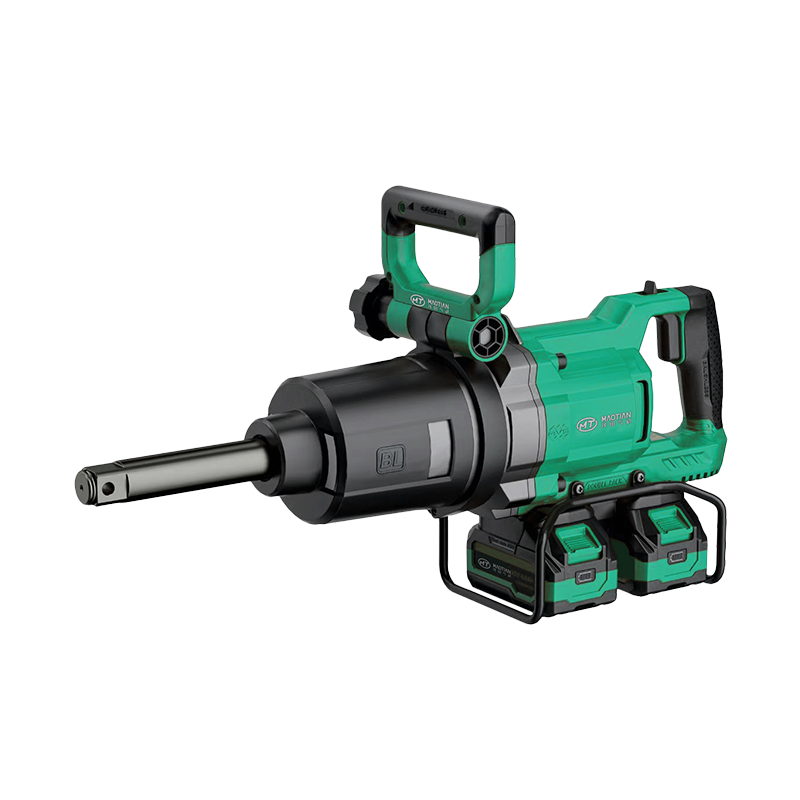
Ultra Duty 40V Strong Power Brushless 1" Li-ion Impact Wrench
read more -
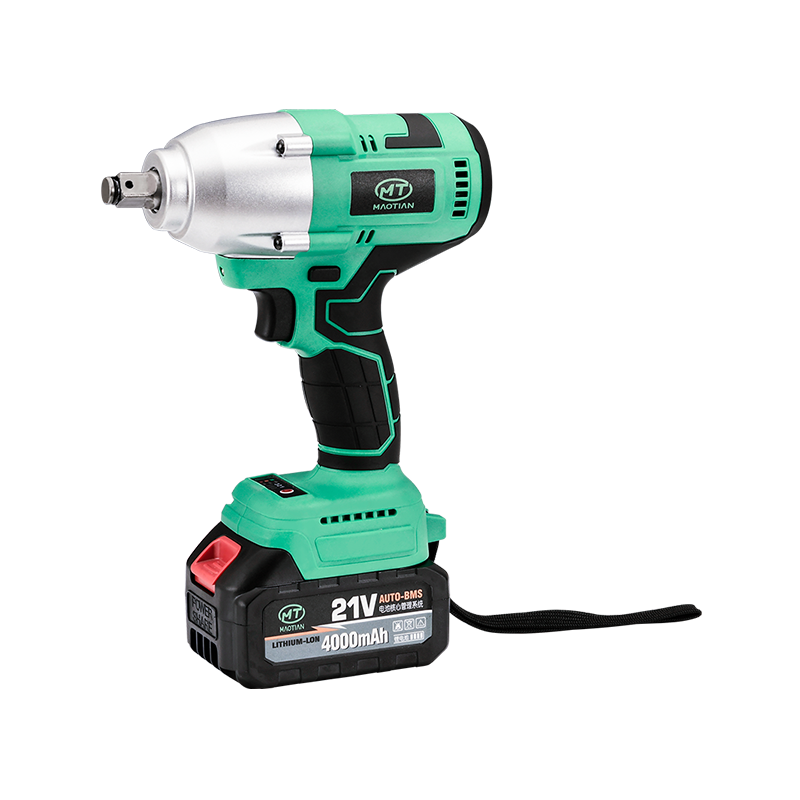
1/2" 20V Brushless Lightweight Li-ion Impact Wrench
read more -
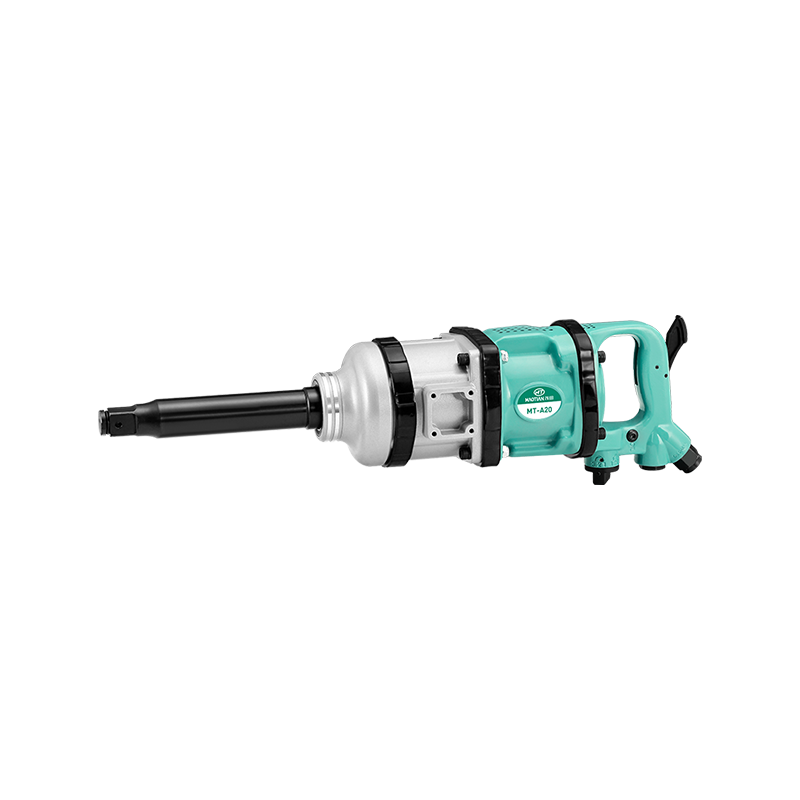
1" Heavy Duty Pinless Clutch Air Impact Wrench
read more -
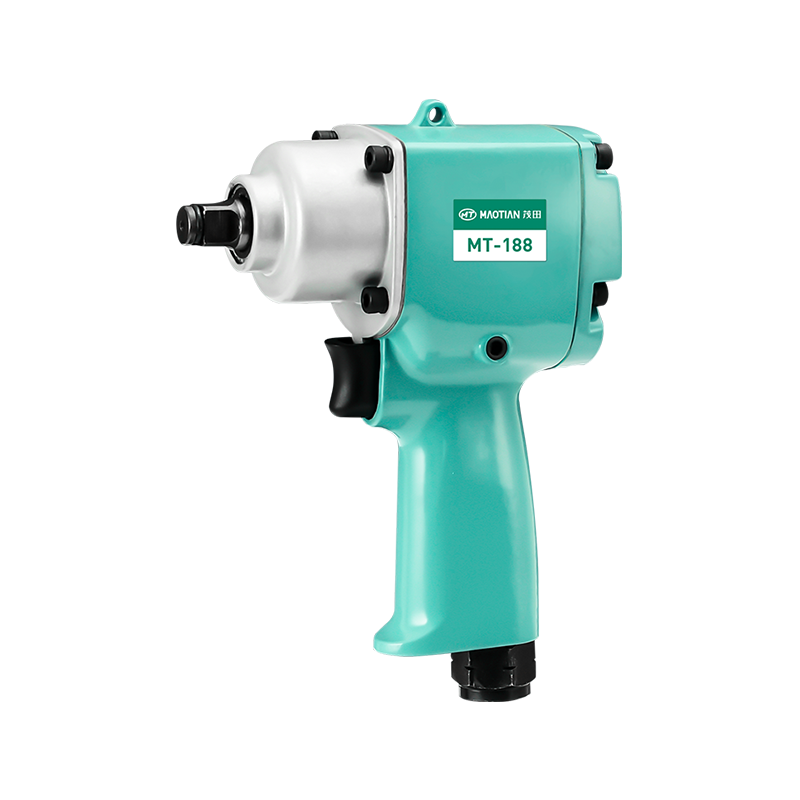
3/8 Inch Stubby Mini Air Impact Gun
read more
Contact
-
Official Address
Building 4, No. 1169, Jiutang South Road, Sanjia Street, Taizhou Bay New District, Taizhou City, Zhejiang , China.
-
Email Us
zoe@maotian-airtool.com
-
Call Us
+86 18815202028 (Zoe Sales Manager )
+86-576-82737789


Copyright © Taizhou Maotian Pneumatic Tools Co., Ltd.
Industrial Pneumatic Tools Factory


