

 中文简体
 Español
 عربى

How to Compare Twin Hammer Wrench Torque Effectively?

When choosing a Twin Hammer Air Impact Wrench, one of the key factors to consider is the torque. Torque defines the amount of rotational force the wrench can apply to fasteners, and it's essential for tasks like automotive repairs, construction, and heavy machinery maintenance. However, understanding how to compare the torque of different models can be challenging. This guide will help you evaluate the most important torque-related factors when selecting a Twin Hammer Wrench.
Understand Torque Ratings
The first step in comparing Twin Hammer Wrench models is to understand the torque ratings. Torque is usually measured in foot-pounds (ft-lb) or Newton meters (Nm), and it indicates the maximum rotational force the wrench can exert. Higher torque is beneficial for tougher jobs, such as loosening rusted bolts or working with larger fasteners. However, it's important to match the torque rating with the specific tasks you will be performing. A wrench with excessive torque for lighter tasks can be unnecessary and harder to control.
Max Torque vs. Working Torque
When comparing Twin Hammer Wrench models, it's crucial to distinguish between maximum torque and working torque. Maximum torque refers to the highest force the tool can generate in short bursts, while working torque is the steady amount of force the wrench can maintain during continuous use. While maximum torque is often highlighted in product specifications, working torque is just as important, especially for tasks requiring consistent, controlled power over longer periods.
Adjustable Torque Settings
Some Twin Hammer Wrench models offer adjustable torque settings, allowing users to customize the amount of force applied to fasteners. This feature is especially useful for jobs where you need to prevent over-tightening or damaging components. For example, when assembling delicate machinery, having the option to control the torque can help ensure precision. If adjustable settings are important to you, look for a wrench with a wide range of torque adjustments to provide more flexibility in various applications.
Impact Frequency and Delivery
The impact frequency refers to how quickly the hammer strikes the anvil within the wrench, delivering bursts of power. A Twin Hammer Wrench typically has two hammers that strike the anvil, providing more balanced and efficient torque delivery compared to single-hammer models. A higher impact frequency means that the wrench can deliver torque more quickly, which can be useful for tasks requiring rapid bolt removal or assembly. However, high-frequency impact also leads to increased wear, so it's essential to balance the frequency with the tool's durability.
Air Consumption and Efficiency
While torque is the focus, air consumption is another critical factor in evaluating Twin Hammer Wrench models. The amount of air required to operate the wrench will directly affect the performance and efficiency of your compressor. Models with lower air consumption can be more efficient, reducing the overall energy demand. If you work in a high-demand environment where the wrench is in use for extended periods, air efficiency can be a deciding factor in selecting the right model. Additionally, ensuring your compressor matches the wrench's air requirements is essential for optimal performance.
Comparing the torque of Twin Hammer Wrench models involves more than just looking at maximum torque figures. It's important to consider factors like working torque, adjustable settings, impact frequency, and air consumption. By taking these factors into account, you can select the right tool for your needs, ensuring that you have the power and control required for various applications. Whether you're working on automotive repairs or construction projects, understanding how to compare Twin Hammer Wrench torque effectively will lead to better performance and more reliable results.
Product Recommendations
-
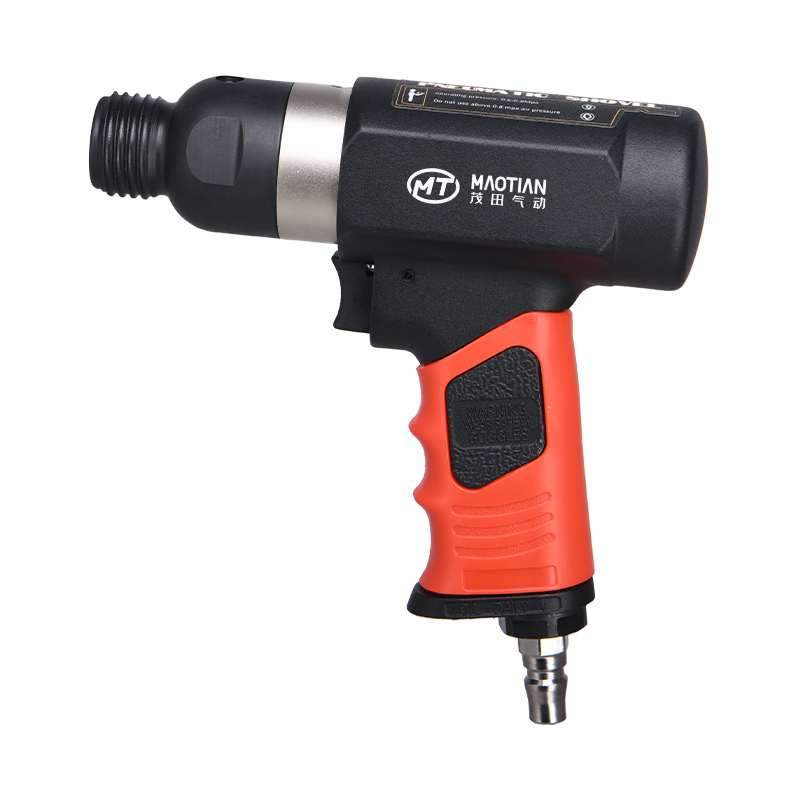
Heavy Duty Medium Barrel Air Hammer
read more -
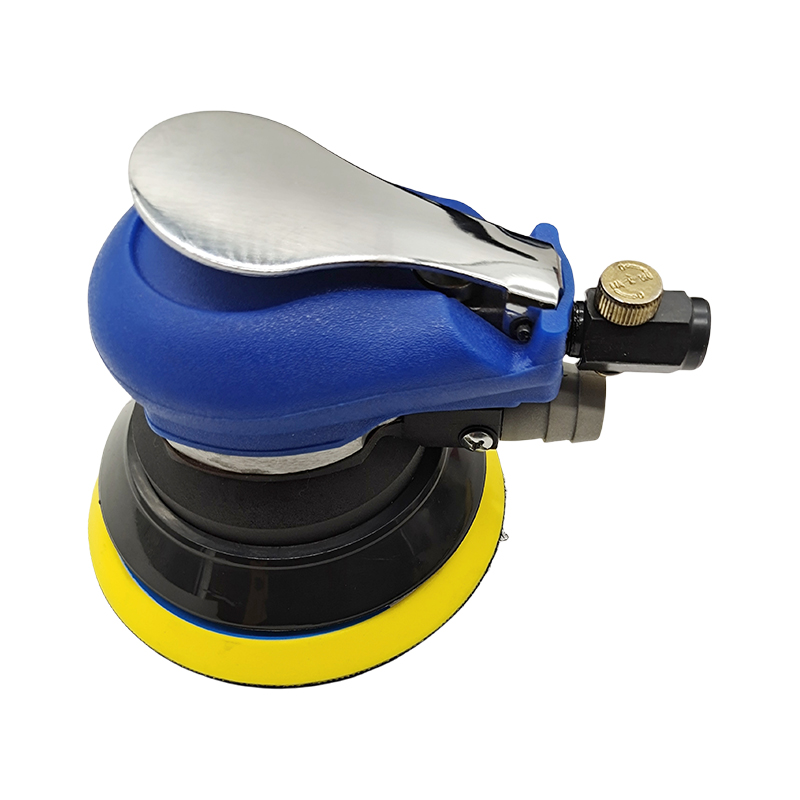
6" Pads And Sandpaper Air Random Orbital Polisher For Metal
read more -
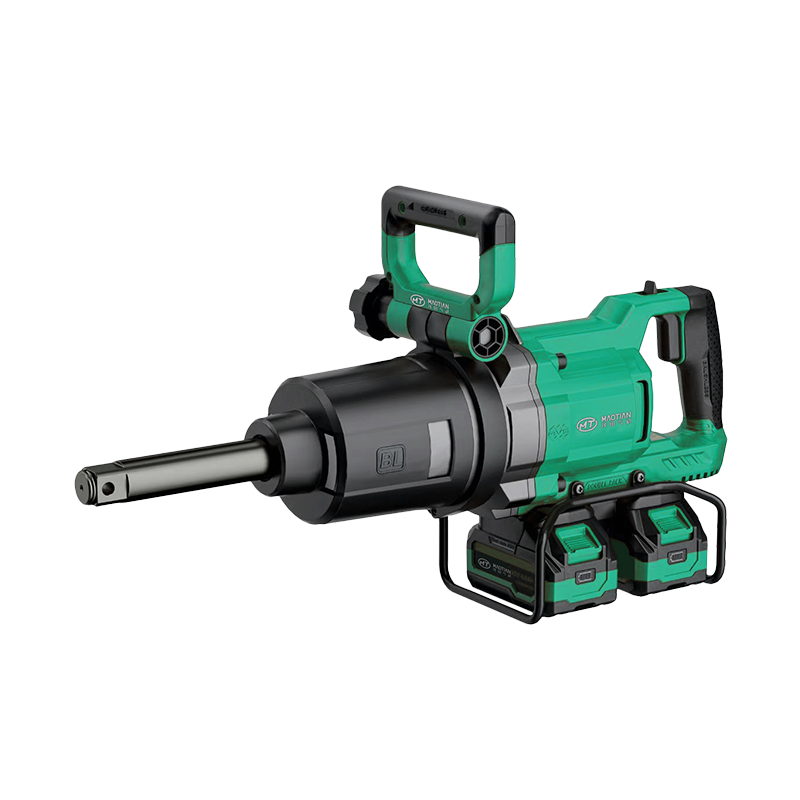
Ultra Duty 40V Strong Power Brushless 1" Li-ion Impact Wrench
read more -
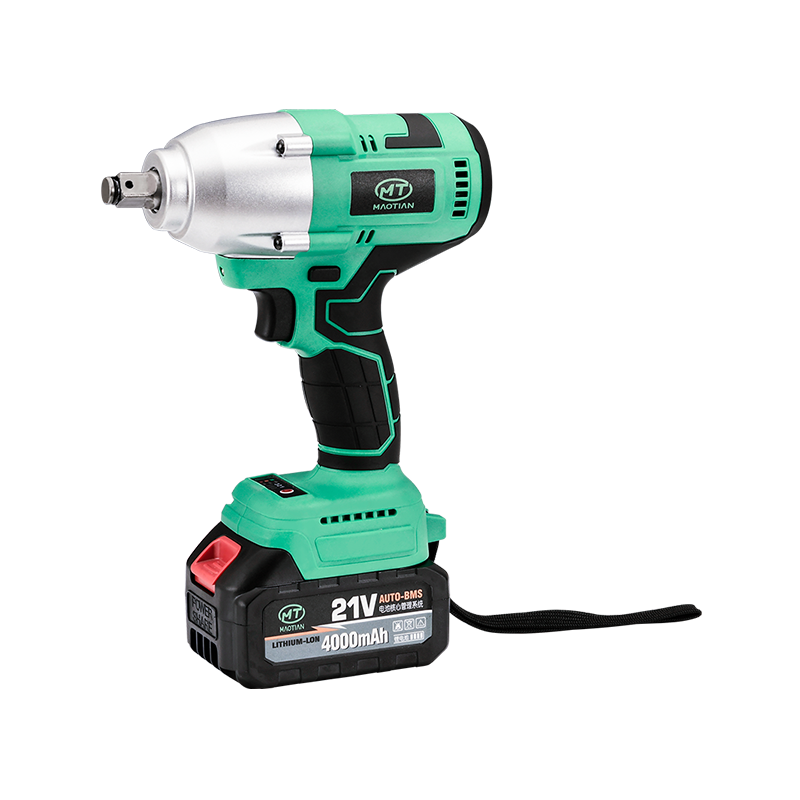
1/2" 20V Brushless Lightweight Li-ion Impact Wrench
read more -
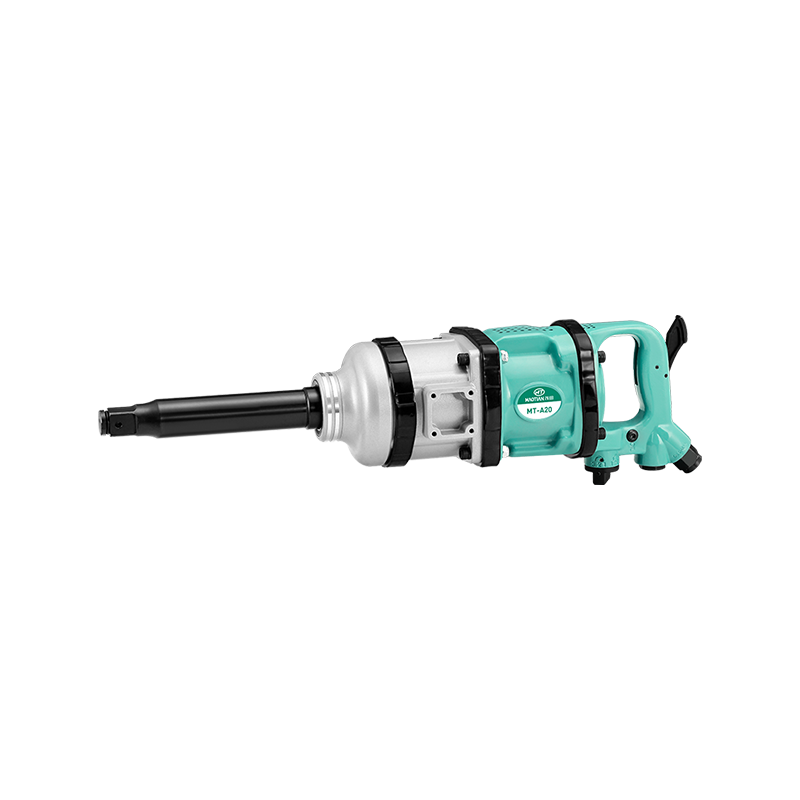
1" Heavy Duty Pinless Clutch Air Impact Wrench
read more -
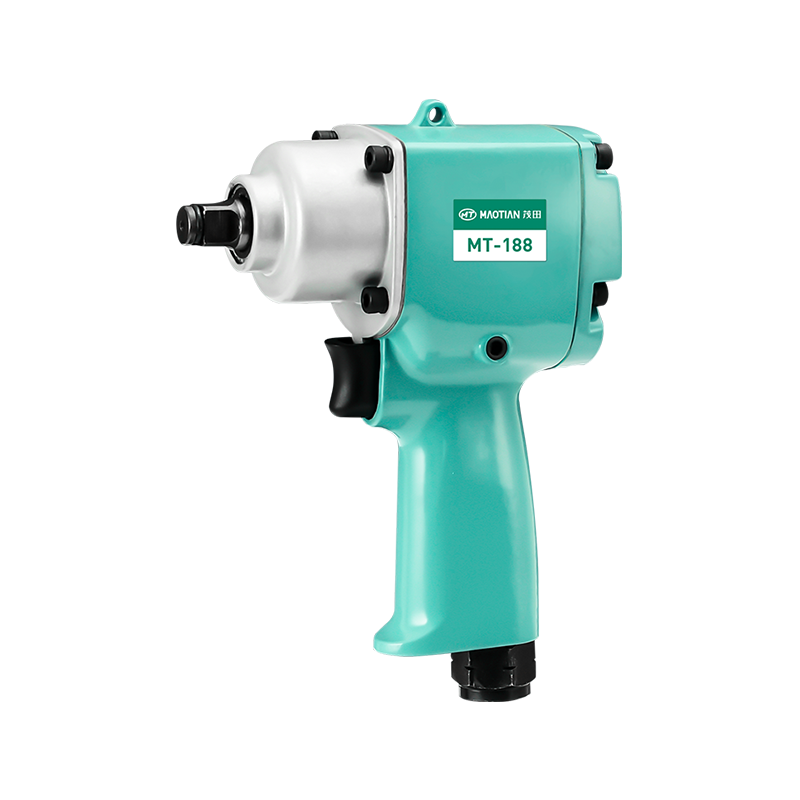
3/8 Inch Stubby Mini Air Impact Gun
read more
Contact
-
Official Address
Building 4, No. 1169, Jiutang South Road, Sanjia Street, Taizhou Bay New District, Taizhou City, Zhejiang , China.
-
Email Us
zoe@maotian-airtool.com
-
Call Us
+86 18815202028 (Zoe Sales Manager )
+86-576-82737789


Copyright © Taizhou Maotian Pneumatic Tools Co., Ltd.
Industrial Pneumatic Tools Factory


