

 中文简体
 Español
 عربى

How Is 1 2 Inch Compact Impact Wrench Used In Limited Space Work Areas
What Defines Limited Space Work Areas In Mechanical And Maintenance Environments
Mechanical work zones with limited space usually feel crowded even before any tool enters the area. Pipes run close to frames, panels overlap each other, and fasteners sit in places where fingers barely fit. Movement inside such zones becomes small and careful rather than open and direct.
A worker often ends up adjusting position more than actually turning a fastener. Wrist movement is blocked by nearby edges, and the tool angle keeps changing just to find a clean contact point. In many cases, the bolt is not fully visible, only partially reachable through a narrow gap.
A 1 2 Inch Compact Impact Wrench is commonly used in these situations because bulky tools struggle with clearance. When surrounding parts are close together, even a small increase in tool size can make access impossible.
Typical signs of tight work areas include:
- Small gaps between connected parts
- Deep or hidden fastening points
- Limited wrist turning space
- Overlapping metal or structural layers
Work becomes more about fitting the tool into space than applying force itself.
How 1 2 Inch Compact Impact Wrench Fits Into Narrow Access Working Conditions
Compact structure changes how the tool behaves once it enters a tight zone. Instead of extending far into space, the body stays closer to the socket head, which reduces the chance of hitting surrounding parts during alignment.
In narrow access work, the main difficulty is not power, it is entry. If the tool cannot reach the bolt at the right angle, force output does not matter. Short housing helps reduce that entry problem.
In actual use, a few patterns often appear:
- Tool head slips into recessed areas more easily
- Less collision with nearby edges during positioning
- Shorter adjustment time before contact
- Easier movement between close fastening points
The 1 2 Inch Compact Impact Wrench does not change the space, it simply adapts to it by reducing unnecessary length and keeping motion closer to the working point.
Why Torque Transfer Behavior Matters In Confined Operation Zones
Torque inside tight spaces does not behave the same way as in open areas. When space is limited, the angle between socket and bolt often shifts slightly, even when the user tries to keep it steady. That small shift affects how force travels through the tool.
Inside a compact impact wrench, the distance between internal drive parts is shorter. Force moves through a more direct path, which helps reduce loss, but confined positioning still creates uneven resistance at the contact point.
Several factors affect how torque feels during use:
- Small changes in socket alignment
- Pressure from nearby surfaces during operation
- Depth of tool engagement in the recess
- Grip stability while working at an angle
In tight zones, torque delivery is not only about output, it is also about how well the tool stays aligned while space keeps pushing it off balance.
How Socket Interface Design Affects Working Efficiency In Tight Areas
Socket connection becomes more sensitive when space is limited. In open areas, there is room to adjust angle freely. In narrow spaces, even a slight misalignment can stop full engagement with the fastener.
The square drive interface used in a 1 2 Inch Compact Impact Wrench helps maintain a stable connection, yet surrounding structures often decide how smooth that connection feels in real operation.
Common situations in tight spaces:
- Socket cannot enter straight due to obstruction
- Side walls limit rotation range
- Fastener head sits deeper than surrounding surface
- Repositioning needed before full engagement
Each adjustment adds time and interrupts workflow, even when the tool itself performs normally.

What Role Does Airflow And Internal Mechanism Play In Compact Impact Tools
Inside air-driven impact tools, airflow moves through small internal channels that control how force is built and released. In compact bodies, these channels are shorter and more concentrated, which changes how energy behaves during repeated impacts.
Air does not flow in a simple straight line inside the tool. It shifts through chambers, reacts to pressure changes, and triggers internal movement cycles. When space inside the tool is reduced, those cycles become more sensitive to load changes.
A simple comparison of working behavior:
| Condition | Air Movement Pattern | Output Behavior | Operation Feel |
|---|---|---|---|
| Open space use | Smooth internal flow | Even cycle rhythm | Stable feel |
| Tight space use | Restricted flow path | Slight response shift | More direct feel |
| Deep access use | Short cycle movement | Concentrated impact | Strong contact feel |
Air Impact Wrench Manufacturer design choices usually focus on keeping this internal movement stable even when external positioning is not ideal.
How Ergonomic Handling Matters In Confined Work Scenarios
Hands do not move naturally inside narrow mechanical spaces. Instead of straight motion, operation becomes a series of small adjustments. Wrist angles change often, grip pressure shifts depending on clearance, and the tool is frequently repositioned just to maintain contact.
A compact tool reduces part of that strain by shortening reach distance. When the tool body stays closer to the fastener, less arm extension is needed, which helps reduce awkward posture in tight zones.
Common ergonomic limits in confined work include:
- Restricted wrist rotation due to nearby structures
- Repeated grip changes during repositioning
- Reduced visibility of contact point
- Fatigue from holding angled positions
Over time, efficiency depends less on force and more on how naturally the tool fits inside the available space.
How Limited Space Changes Maintenance And Assembly Work Patterns
Work inside narrow mechanical zones rarely follows a smooth rhythm. Parts sit close together, access points hide behind frames, and even simple fastening tasks turn into repeated adjustments. Movement becomes fragmented, with short pauses between each repositioning of the tool.
A 1 2 Inch Compact Impact Wrench fits into this kind of pattern because operation often depends on short entry and quick withdrawal rather than long continuous motion. Once the tool enters a confined gap, time is spent more on alignment than rotation.
In many maintenance situations, a few changes appear in workflow:
- Frequent repositioning before full socket engagement
- Short bursts of tightening rather than continuous operation
- Alternating between visual checking and hand adjustment
- Movement around obstacles instead of direct approach
Assembly work inside tight frames follows a similar rhythm. Instead of working in a straight line, operators shift around structural barriers, adjusting angle repeatedly until the fastening point becomes reachable.
What Structural Features Improve Usability In Compact Impact Wrench Systems
Compact tools are shaped by the need to enter restricted areas without interference. Body length, head size, and grip placement all affect how easily the tool moves between surrounding components.
In a 1 2 Inch Compact Impact Wrench, reduced housing length allows closer access to recessed points. That short distance between handle and socket head helps when space around the fastener is blocked by pipes, brackets, or panels.
Several structural factors influence usability:
- Short body design reducing external collision points
- Balanced weight distribution during angled use
- Compact head size improving entry into narrow gaps
- Simple external shape reducing surface interference
Inside tight spaces, even small protrusions on a tool body can cause obstruction. Smooth external contours help reduce that friction during movement and repositioning.
How Modern Mechanical Workflows Integrate Compact Impact Tools
Mechanical work has gradually shifted toward mixed environments where space conditions vary within the same task. One moment involves open access, the next requires entering a narrow frame or hidden compartment.
In these mixed conditions, compact tools become part of routine movement rather than special equipment. A 1 2 Inch Compact Impact Wrench is often kept within reach because it handles confined sections without requiring tool changes.
Typical workflow behavior includes:
- Switching between open and restricted zones during one task
- Carrying compact tools for hidden fastening points
- Using short access tools for secondary tightening steps
- Adjusting position frequently across layered structures
Air Impact Wrench Manufacturer design considerations often align with this type of workflow, where tools need to remain adaptable across different spatial conditions without complex setup.
How Air Impact Wrench Manufacturer Approaches Evolving Space Constraints
Tool design continues to shift in response to tighter mechanical layouts. Equipment placement inside machines, vehicles, and industrial assemblies often leaves less free space around fastening points. That pressure influences how compact tools are structured.
Design focus usually stays on balancing three elements: size, internal stability, and usability in restricted zones. Reducing size alone is not enough, since internal mechanism still needs space to operate smoothly under load.
Common design directions include:
- Reducing external bulk while preserving internal impact structure
- Adjusting internal airflow paths for shorter housings
- Improving balance for angled operation in confined spaces
- Refining grip position for better control in tight zones
Instead of increasing power, emphasis often shifts toward maintaining consistent behavior when tool movement is restricted by surrounding structures.
How Compact Impact Tools Fit Into Long Term Mechanical Use
Over time, repeated work in narrow spaces reveals patterns in tool behavior. Compact tools tend to stay in use not because of single-task strength, but because they reduce friction in repeated access situations.
A 1 2 Inch Compact Impact Wrench often becomes part of regular workflow in maintenance environments where tight access points appear frequently. The tool does not replace larger systems, it simply fills the gap where space limits other options.
Long term use patterns often include:
- Regular deployment for hidden or recessed fasteners
- Reduced downtime during tool switching
- More consistent handling in confined maintenance zones
- Gradual preference for compact form in mixed-space environments
Work efficiency in these cases depends less on individual task speed and more on how smoothly the tool moves between different spatial conditions.
How Structural Limits Shape Overall Tool Behavior In Confined Environments
Space constraints influence every part of operation, from entry angle to final torque application. When movement is restricted, tool behavior becomes closely tied to surrounding geometry.
The 1 2 Inch Compact Impact Wrench responds to these limits through reduced size and tighter internal structure. That allows it to operate inside zones where larger tools cannot reach or must be repositioned repeatedly.
Key influences of confined environments:
- Limited swing space during tightening cycles
- Frequent contact with nearby structural edges
- Restricted visibility of fastening points
- Dependence on short, controlled movements
In such environments, performance is shaped as much by space as by tool capability. Compact structure does not remove limitations, it simply makes them easier to work within.
Product Recommendations
-
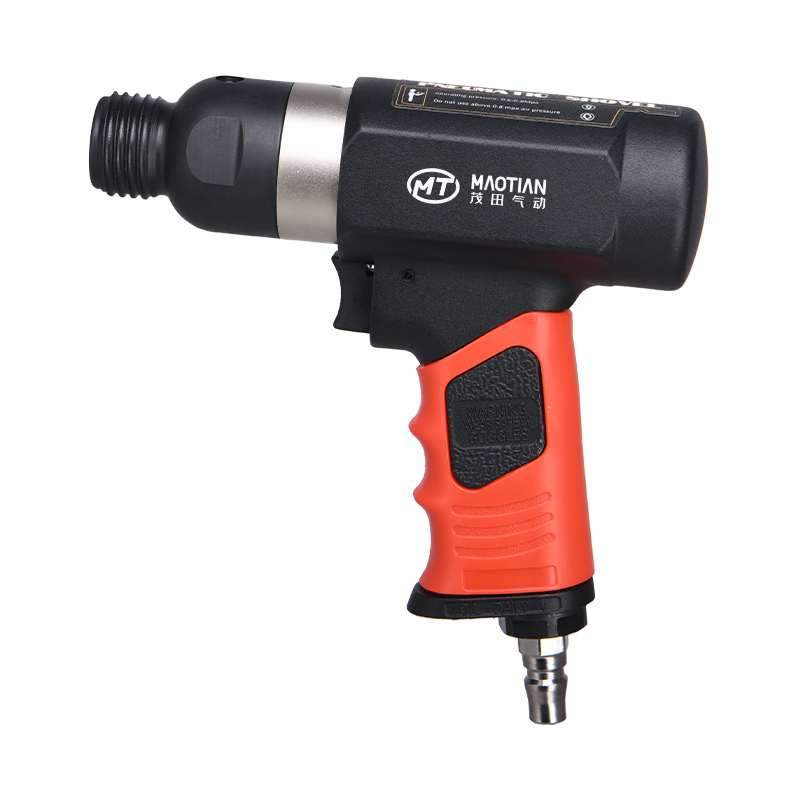
Heavy Duty Medium Barrel Air Hammer
read more -
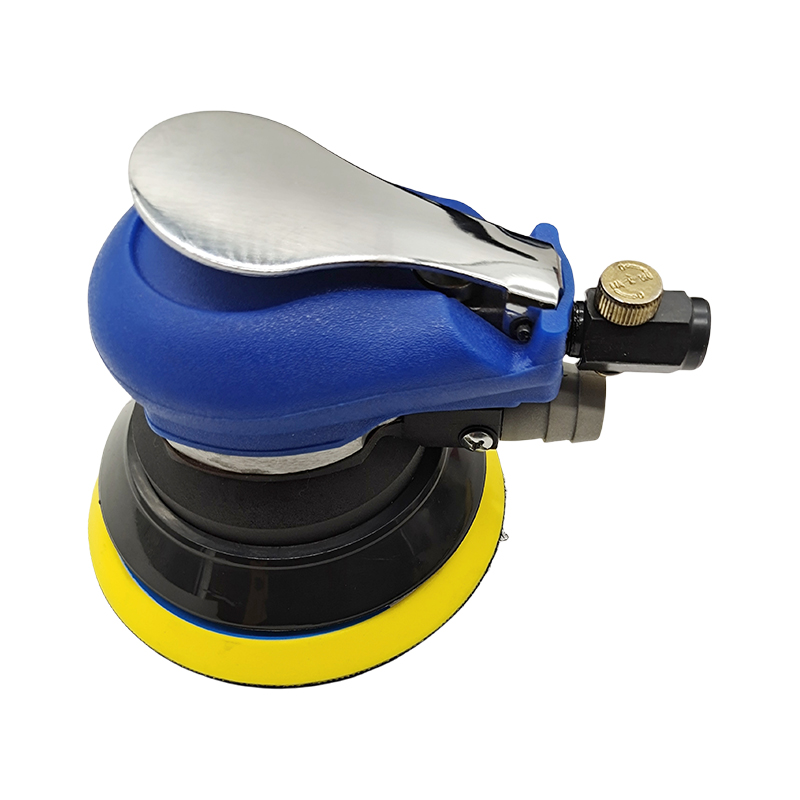
6" Pads And Sandpaper Air Random Orbital Polisher For Metal
read more -
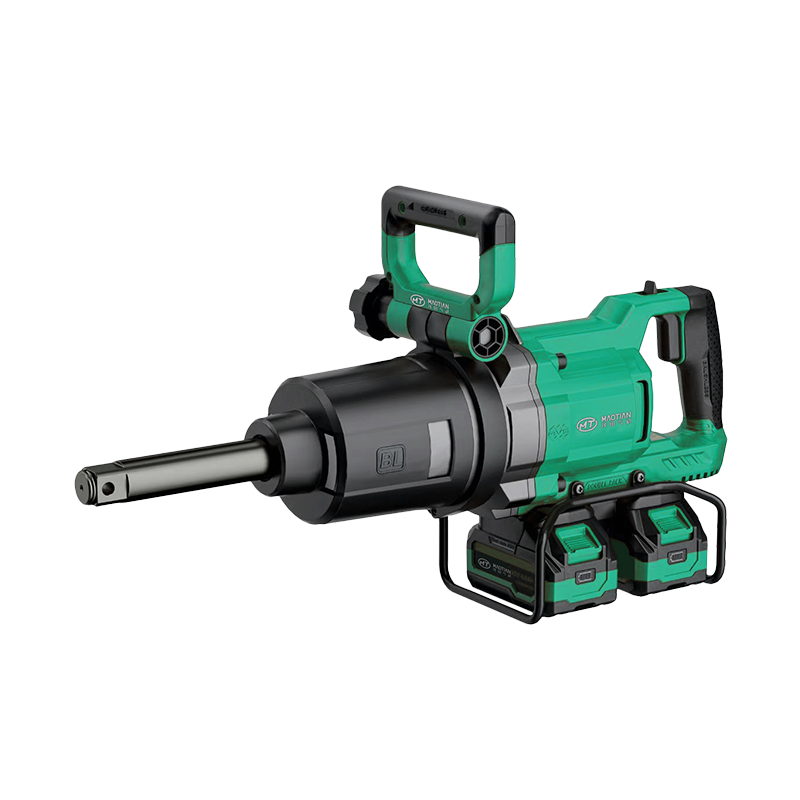
Ultra Duty 40V Strong Power Brushless 1" Li-ion Impact Wrench
read more -
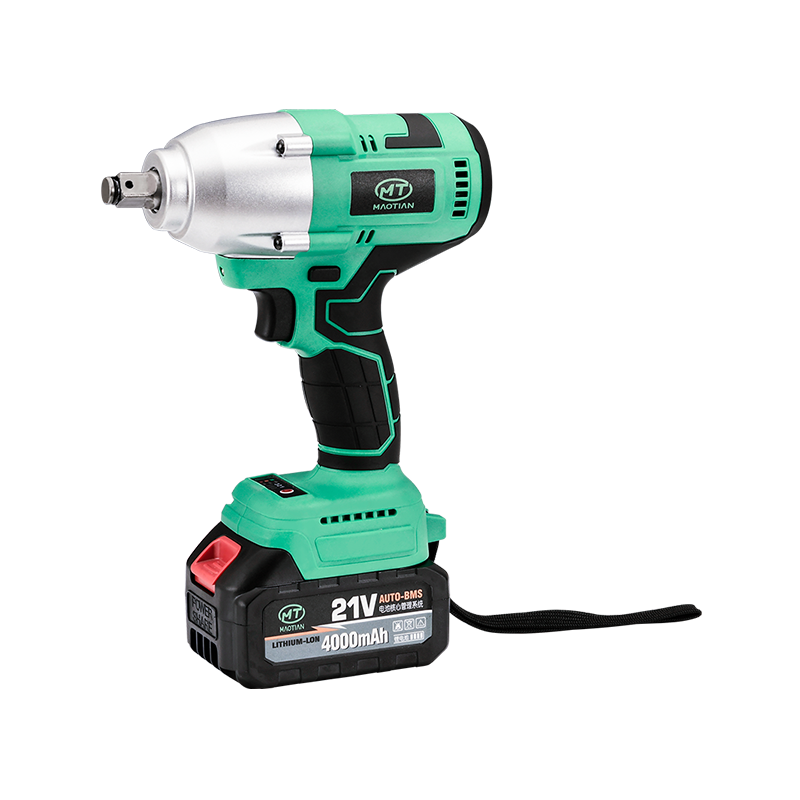
1/2" 20V Brushless Lightweight Li-ion Impact Wrench
read more -
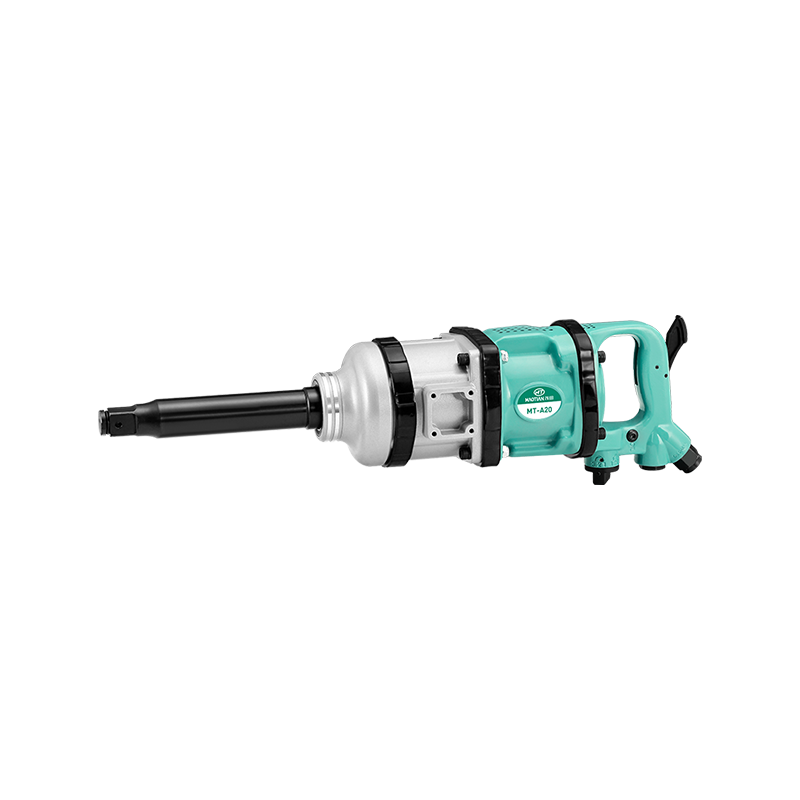
1" Heavy Duty Pinless Clutch Air Impact Wrench
read more -
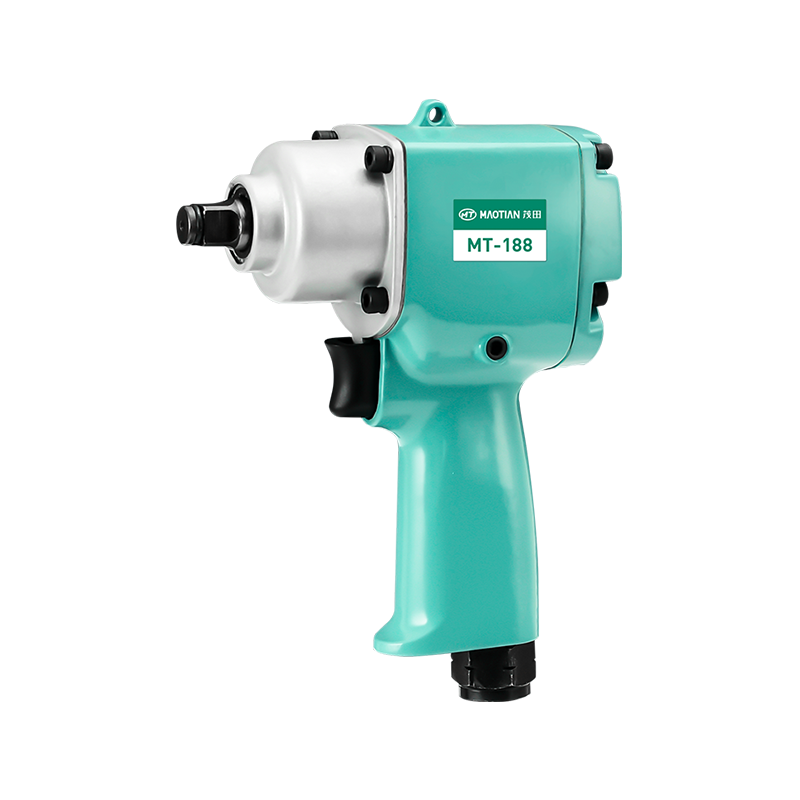
3/8 Inch Stubby Mini Air Impact Gun
read more
Contact
-
Official Address
Building 4, No. 1169, Jiutang South Road, Sanjia Street, Taizhou Bay New District, Taizhou City, Zhejiang , China.
-
Email Us
zoe@maotian-airtool.com
-
Call Us
+86 18815202028 (Zoe Sales Manager )
+86-576-82737789


Copyright © Taizhou Maotian Pneumatic Tools Co., Ltd.
Industrial Pneumatic Tools Factory


