

 中文简体
 Español
 عربى

How Does Heavy Duty Chipping Hammer Perform In Daily Construction Work
What Is Heavy Duty Chipping Hammer And How It Is Structurally Designed
A Heavy Duty Chipping Hammer is a tool commonly used in construction environments where surface breaking or material removal is required. It is designed to deliver repeated impact force through mechanical movement, allowing it to interact with hard surfaces in a controlled way.
In daily construction work, this type of tool is often associated with surface preparation, material trimming, and structural adjustment tasks. Its design is not complex in appearance, but the internal structure is built to support continuous impact behavior.
A typical Heavy Duty Chipping Hammer usually includes a handle section for grip control, an internal driving mechanism that creates repeated motion, and a working head that connects directly with the surface. Each part plays a role in how the tool behaves during operation.

Why Heavy Duty Chipping Hammer Is Used In Construction Environments
Construction environments often involve materials that are not easy to modify with simple hand tools. Surfaces like hardened concrete or compact structures require repeated impact to break or adjust.
The Heavy Duty Chipping Hammer is used because it reduces the need for manual striking while maintaining consistent force output. Instead of relying on physical effort alone, the tool delivers repeated mechanical action.
Common reasons for its use include:
- Supporting surface removal before repair work
- Assisting in breaking uneven or hardened areas
- Helping adjust structural surfaces during renovation
- Reducing manual workload in repetitive tasks
- Providing controlled impact in tight working areas
In many cases, it becomes part of a step-by-step process where surface preparation is needed before further construction work can continue.
How Heavy Duty Chipping Hammer Performs During Daily Operation
During daily use, the performance of a Heavy Duty Chipping Hammer is closely related to how consistently it delivers impact to the working surface.
When activated, the tool produces repeated forward motion that transfers force to the material being worked on. The result is a continuous impact process rather than a single strike.
Several aspects influence its behavior:
- Stability of internal motion during continuous operation
- Smoothness of impact transfer to the working surface
- Response when meeting different material resistance
- Comfort of handling during extended use
- Balance between vibration and control
To better understand how it behaves in real work situations, the following comparison gives a simple view of operational characteristics:
| Use Aspect | Heavy Duty Chipping Hammer Behavior |
|---|---|
| Impact delivery | Continuous and repeated contact |
| Surface response | Adjusts depending on material hardness |
| Handling feel | Requires steady grip during operation |
| Working rhythm | Maintains consistent motion flow |
| User effort | Reduced compared with manual tools |
Where Heavy Duty Chipping Hammer Is Commonly Applied
In construction work, this tool is used in different environments where surface modification is required. It is not limited to one specific task but appears in multiple stages of work.
Typical usage areas include:
- Surface preparation before repair or coating
- Removal of uneven or damaged material layers
- Access work around embedded structures
- Adjustment of concrete or hardened surfaces
- Maintenance tasks in structural environments
Each environment places different demands on the tool. In confined spaces, control becomes more important, while in open areas, continuous operation may be more common.
When Hammer Becomes Necessary In Work Process
The tool is usually introduced at specific stages of construction work where manual methods are not efficient enough.
It becomes necessary when:
- A surface needs to be adjusted before further work
- Hard materials require repeated impact to break down
- Manual tools cannot maintain consistent progress
- Structural corrections are needed during renovation
- Repetitive surface removal is part of the workflow
In many cases, it is not the first tool used, but it plays a key role in preparing surfaces for later construction steps.
How Does Material And Structural Design Affect Performance
The performance of a Hammer is strongly connected to its internal structure and material design.
The handle design affects how comfortably the tool can be held during operation. A stable grip helps reduce unnecessary movement and supports better control.
The working head is responsible for direct contact with the surface. Its shape and strength influence how force is transferred during impact.
Internal components control how motion is generated and maintained. If the movement is stable, the impact feels more consistent during use.
Key design influences include:
- Handle structure and grip stability
- Working head shape and surface contact behavior
- Internal motion consistency during operation
- Weight distribution during continuous use
- Vibration response during impact cycles
What Challenges May Appear During Daily Use
Even with stable performance, daily operation can present certain challenges depending on working conditions.
Common situations include:
- Fatigue during long periods of continuous use
- Resistance changes when working on different surfaces
- Reduced control in narrow or confined spaces
- Uneven working environments affecting stability
- Need for frequent adjustment during detailed work
These factors do not stop usage, but they require attention during operation to maintain control and comfort.
How To Maintain Heavy Duty Chipping Hammer For Stable Operation
Maintenance plays a role in keeping the tool usable over time. In daily construction environments, simple care routines are usually enough to support stable performance.
Basic maintenance practices include:
- Cleaning the tool after daily use
- Checking the working head for wear
- Keeping moving parts in stable condition
- Storing the tool in a dry environment
- Observing changes in vibration or handling feel
Regular attention helps maintain consistent operation and reduces unexpected performance changes during use.
How Does Heavy Duty Chipping Hammer Compare With Other Impact Tools
Different impact tools are used in construction work, and each has its own behavior pattern.
Compared with lighter tools, the Heavy Duty Chipping Hammer is designed for more continuous surface interaction. It is generally used when stronger or repeated impact is required.
Key differences include:
- Depth of surface impact during operation
- Control feel during repeated use
- Suitability for hard material conditions
- Handling comfort in long working periods
- Adaptability to different construction tasks
The choice between tools often depends on the type of surface work rather than tool appearance or size alone.
What Safety Considerations Are Important During Operation
Using a Heavy Duty Chipping Hammer involves repeated impact and constant contact with hard surfaces, so handling habits matter during daily work.
One of the main concerns is grip stability. When the tool is running continuously, vibration can affect hand control if the grip position is not steady. A balanced holding posture usually makes operation smoother and helps reduce unnecessary movement.
Surface reaction is another thing workers pay attention to. Different materials respond differently when struck. Some surfaces break gradually, while others may create sudden fragments during impact. Because of this, operators often adjust working angle and pressure based on the material condition.
During longer work periods, vibration exposure also becomes noticeable. Short pauses between tasks are commonly used to reduce hand fatigue and improve control.
In practical construction environments, safe handling habits often include:
- Keeping a stable grip during continuous operation
- Maintaining enough space around the impact area
- Adjusting tool angle according to surface condition
- Watching for material fragments during breaking work
- Stopping operation if movement feels irregular
These habits are usually developed naturally through repeated use on different job sites.
How Does User Experience Change With Skill Level
The experience of using a Hammer changes quite a bit as familiarity increases.
For new users, the main challenge is often controlling the movement rhythm. The repeated impact force can feel stronger than expected at the beginning, especially when working on resistant surfaces.
After more regular use, handling usually becomes smoother. Operators begin to understand how different materials respond and how much pressure is actually needed. In many cases, experienced users rely more on positioning and angle control than on physical force.
Some changes often noticed over time include:
- Better control of working direction
- Smoother handling during repetitive tasks
- Faster adjustment to different surface hardness
- Reduced unnecessary pressure during operation
- More stable rhythm during long work periods
This type of tool depends partly on mechanical performance, but practical handling experience also affects how efficiently it is used in daily construction work.
How Does Environment Affect Hammer Performance
Construction environments are rarely completely stable. Dust, temperature, moisture, and workspace limitations all influence how a tool behaves during operation.
In open outdoor areas, debris and loose material may affect visibility around the work surface. In enclosed spaces, vibration and sound reflection may feel stronger because movement is concentrated in a smaller area.
Surface condition also changes performance. A smooth material reacts differently from an uneven or layered surface. In some cases, operators need to change tool angle repeatedly to maintain steady contact.
Environmental influence often appears in situations such as:
- Dust accumulation around moving parts
- Reduced movement space in narrow areas
- Uneven surfaces affecting control stability
- Moisture exposure during outdoor work
- Temperature changes influencing handling comfort
The tool itself may stay mechanically stable, but the surrounding environment changes how it feels during actual use.
What Role Does Heavy Duty Chipping Hammer Play In Modern Construction Workflow
In construction processes, different tools are usually connected through stages rather than used independently. The Chipping Hammer often appears during preparation, adjustment, or repair phases.
Before new material is applied, old or uneven surfaces may need to be removed. During maintenance work, damaged areas often require controlled breaking before repair can begin. In renovation projects, sections of hardened material may need reshaping to fit updated structures.
Because of this, the tool is often positioned between larger construction stages rather than at the beginning or end of a project.
Typical workflow roles include:
- Preparing surfaces before coating or repair
- Removing damaged structural sections
- Supporting adjustment work during renovation
- Creating access around embedded structures
- Assisting maintenance tasks in aging environments
Its role is practical rather than decorative. The focus is usually on controlled removal and surface correction.
What Should Be Considered Before Selecting Heavy Duty Chipping Hammer
Before choosing a Hammer, users often think about the kind of work it will actually handle instead of focusing only on appearance or size.
One important factor is surface type. Hard concrete, layered materials, and maintenance work all create different working conditions. The tool should match the expected resistance level during operation.
Handling comfort also matters. Since construction work may continue for extended periods, balance and grip affect fatigue more than many people expect.
Other common considerations include:
- Frequency of daily use
- Working space limitations
- Material hardness during operation
- Preference for lighter or more stable handling feel
- Maintenance habits after work completion
For some users, portability is important. For others, stability during continuous operation matters more. The choice usually depends on work environment and usage pattern.
How Does Chipping Hammer Evolve In Usage Practices
Construction tools gradually change along with working habits. The use of Hammer has also shifted toward more controlled and practical operation styles.
In earlier work patterns, impact tools were often used mainly for force-based breaking. Over time, more attention has been placed on control, handling comfort, and precision during surface removal.
Operators now often focus on:
- Reducing unnecessary vibration during use
- Improving movement control in narrow spaces
- Maintaining steadier impact rhythm
- Combining impact tools with other surface equipment
- Using more targeted surface correction methods
This does not completely change the purpose of the tool, but it changes how people interact with it during construction work.
Practical Field Behavior In Daily Construction Conditions
On real construction sites, working conditions are rarely ideal. Surfaces may be uneven, work areas may be crowded, and material resistance can change from one section to another.
In these situations, practical handling becomes more important than theoretical operation.
Workers often adjust naturally to conditions by:
- Changing grip position during long tasks
- Slowing impact rhythm near detailed areas
- Adjusting angle on uneven surfaces
- Pausing briefly when vibration increases
- Observing surface reaction before applying more pressure
A Heavy Duty Chipping Hammer is not usually used in isolation. It becomes part of a broader work rhythm that includes preparation, adjustment, clearing, and follow-up processing.
Because of this, its daily performance is closely connected to real working conditions rather than controlled environments alone.
Product Recommendations
-
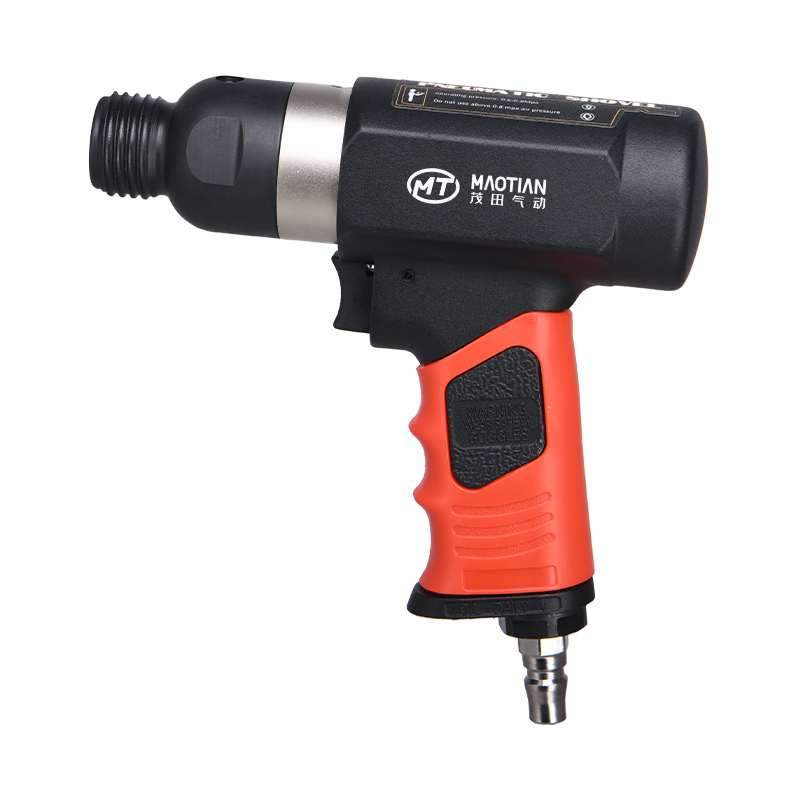
Heavy Duty Medium Barrel Air Hammer
read more -
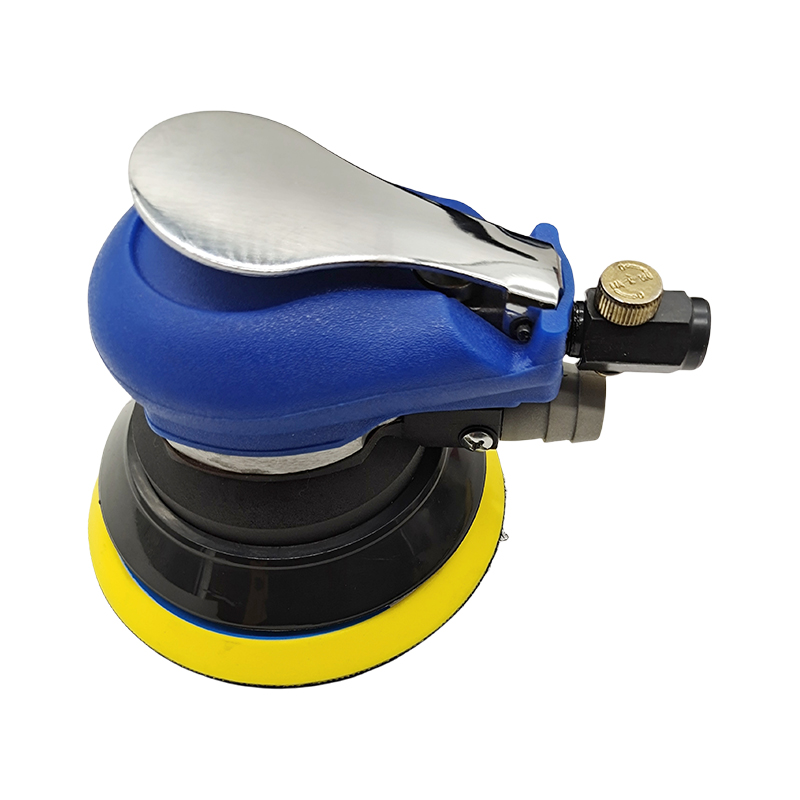
6" Pads And Sandpaper Air Random Orbital Polisher For Metal
read more -
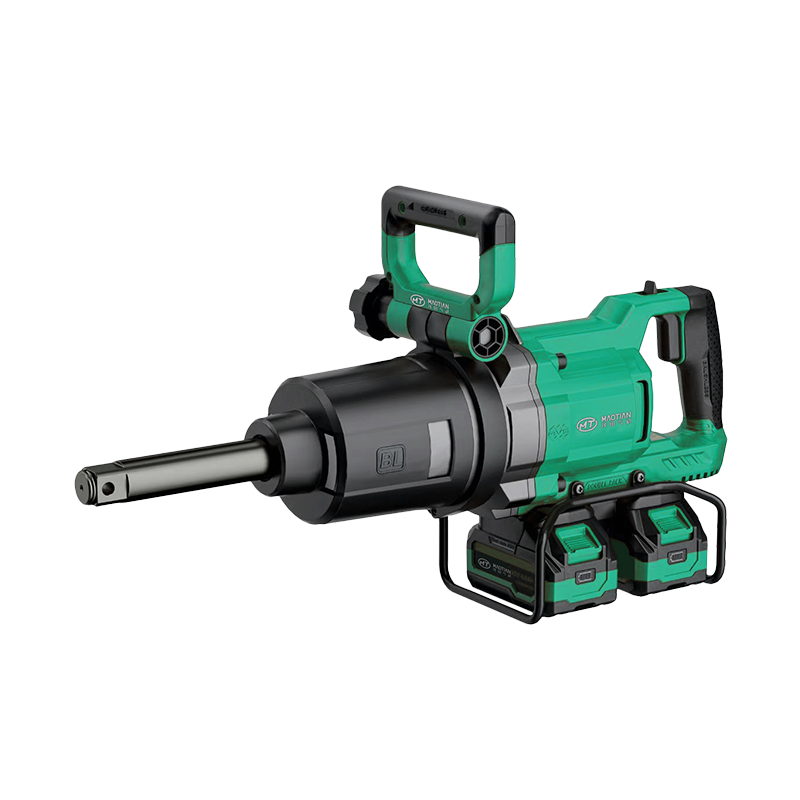
Ultra Duty 40V Strong Power Brushless 1" Li-ion Impact Wrench
read more -
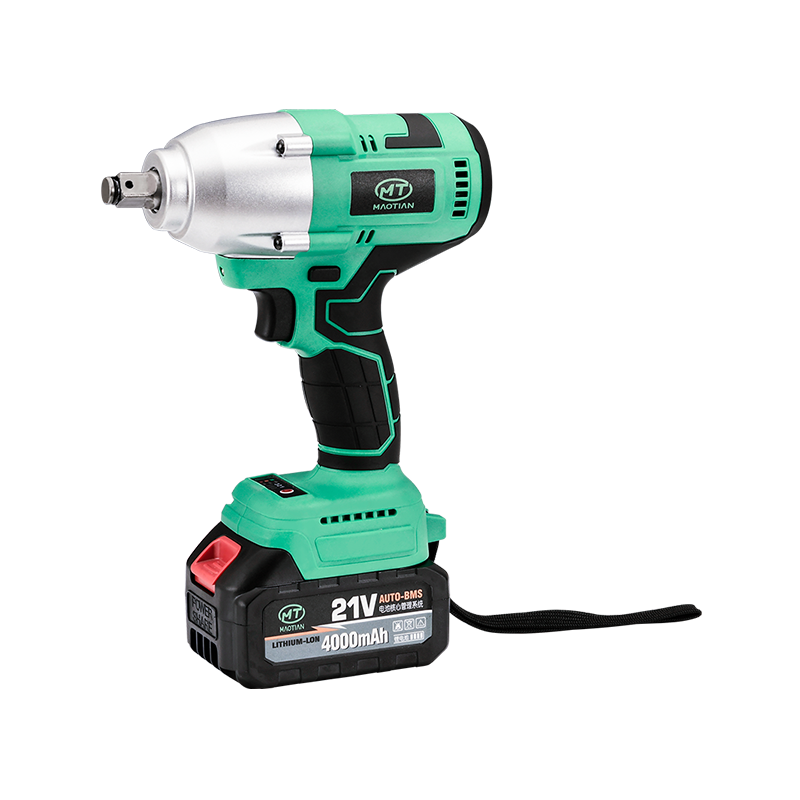
1/2" 20V Brushless Lightweight Li-ion Impact Wrench
read more -
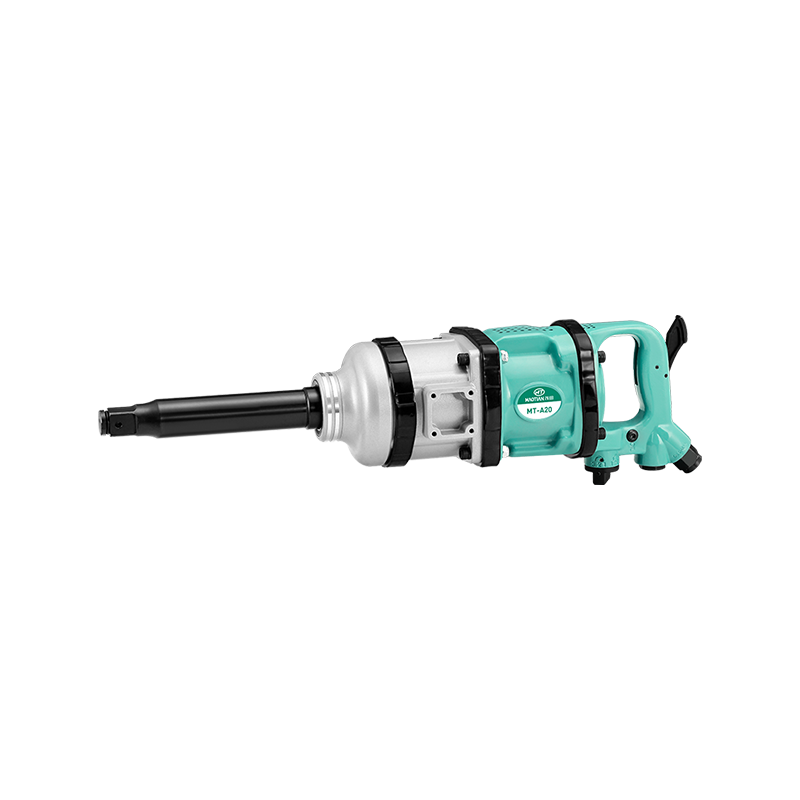
1" Heavy Duty Pinless Clutch Air Impact Wrench
read more -
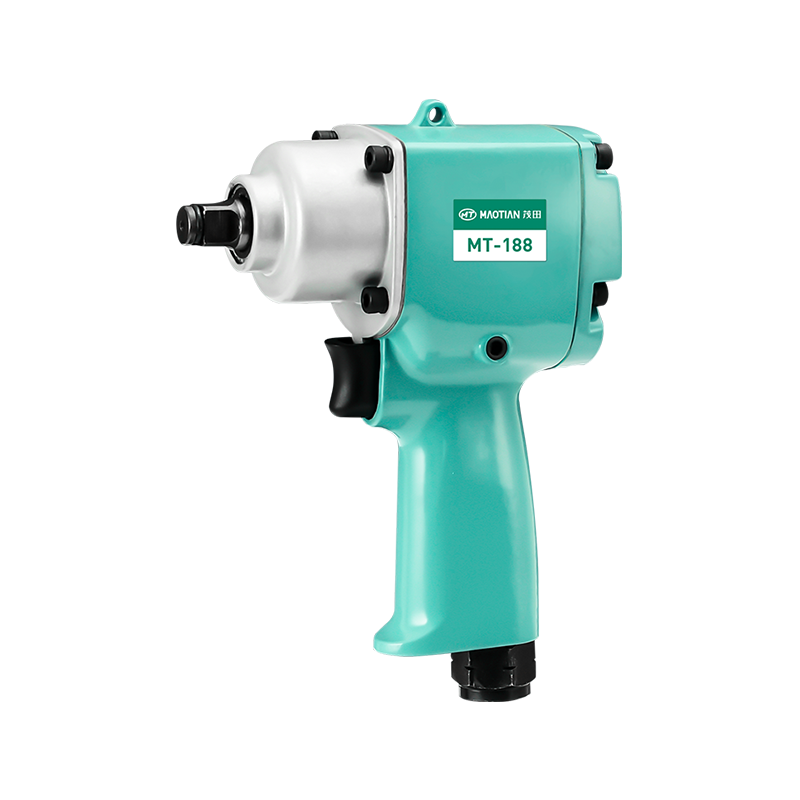
3/8 Inch Stubby Mini Air Impact Gun
read more
Contact
-
Official Address
Building 4, No. 1169, Jiutang South Road, Sanjia Street, Taizhou Bay New District, Taizhou City, Zhejiang , China.
-
Email Us
zoe@maotian-airtool.com
-
Call Us
+86 18815202028 (Zoe Sales Manager )
+86-576-82737789


Copyright © Taizhou Maotian Pneumatic Tools Co., Ltd.
Industrial Pneumatic Tools Factory


