

 中文简体
 Español
 عربى

How Does Fastener Manufacturing Machine Support Industrial Production Process
How Fastener Manufacturing Machine Sits Inside Production Flow
Industrial production usually looks smooth from the outside, yet inside the line there are many small parts moving in a fixed rhythm, and fasteners are one of those parts that quietly hold everything together. A Fastener Manufacturing Machine is placed in this flow to turn raw metal into screws, bolts, and similar fastening parts through repeated shaping work that runs almost continuously once the system is set.
Fastener Manufacturing Machine normally works between raw material feeding and later sorting or packing stages, and its position is not random. If material flow is not steady, everything after it becomes uneven, so this machine often becomes a kind of steady "middle point" where input changes into usable parts in a repeating cycle.
In real factory spaces, the movement is simple in idea but constant in practice. Metal comes in, shaping happens inside, finished parts come out. The same motion repeats again and again, and the whole production line quietly depends on that repetition staying stable.
What Actually Happens Inside Fastener Formation
Fastener making is not one single step, even though it looks like one process from a distance. Inside the machine, metal goes through several small changes in shape, and each change depends on the previous one being stable enough.
The process usually feels like a chain of mechanical pressure rather than a single push:
- metal wire or rod enters the feeding path
- material is guided into a forming space
- pressure shapes the basic head or body
- threading or surface structure is formed
- finished piece exits into collection area
What matters here is not speed alone. If feeding is slightly off, shaping already starts to drift. If pressure is uneven, thread pattern becomes inconsistent. Even small shifts repeat across many cycles, so stability becomes more important than force.
Different metals also behave in their own way. Some feel harder under pressure and resist change, some move into shape more easily. Because of that, machines are often adjusted rather than forced into a single fixed condition

Why Structure Inside the Machine Matters More Than It Looks
At first glance, a fastener machine looks like a heavy frame with moving parts, but inside that structure there is constant force movement going in and out through different points. If the frame is not steady, the small vibration does not stay small for long.
Over time, even slight movement affects alignment. That alignment decides whether each fastener looks the same or slowly drifts away from consistency.
Some structural behaviors that matter in real use:
- vibration slowly building during long operation
- tool alignment shifting under repeated pressure
- force not traveling in a straight path
- feeding direction slightly changing over time
When the structure stays firm, the machine feels almost repetitive in a predictable way. Each cycle follows the same path, and the output looks closer from piece to piece. When structure is weak, variation appears quietly and builds up without being noticed immediately.
How Automation Changes the Rhythm of Work
In older setups, many steps needed constant attention. Now, most fastener machines run with a steady rhythm controlled by internal systems. Human involvement becomes lighter, mostly checking flow instead of adjusting every step.
Material feeding does not stop between cycles. It keeps moving into forming space. Once inside, mechanical timing takes over, and the machine continues the same motion pattern again and again.
A simple view of automation inside this kind of system:
- material keeps feeding without pause
- forming cycles repeat in fixed rhythm
- basic monitoring watches pressure changes
- finished parts move out automatically
| Part of System | What Happens in Practice | What It Changes in Real Work |
|---|---|---|
| Feeding flow | Metal enters continuously | Less interruption in line |
| Forming cycle | Repeated shaping motion | More stable output pattern |
| Monitoring | Tracks small changes | Reduces unnoticed drift |
| Output movement | Parts exit automatically | Keeps flow from stopping |
It is not a complicated idea when seen from the floor level. It simply removes stops, so the machine keeps doing the same motion without waiting for manual reset every time.
How Material Type Quietly Changes Everything
Even when the machine stays the same, the material inside it changes how everything feels during operation. Some metal feels soft under pressure, some resists and pushes back. That difference affects how forming tools behave over time.
Harder material usually slows down shaping slightly. It needs more controlled pressure, otherwise surface details become uneven. Softer material moves faster into shape, but may need careful timing to avoid deformation beyond the intended form.
Key behavior differences often noticed in operation:
- resistance during pressing feels different
- forming speed changes depending on hardness
- tool wear appears at different rates
- timing adjustments become necessary
Because of this, operators do not treat all materials the same way. Settings are adjusted in small steps rather than large changes, trying to keep the flow stable instead of forcing speed.
Why Speed Alone Does Not Define Output Quality
Fast production sounds efficient, but in fastener making, speed only works well when the rhythm underneath it stays steady. If cycles become uneven, even slightly, the shape of output starts to shift.
What matters more is not how fast the machine runs, but how evenly it repeats each cycle. A steady rhythm keeps force, timing, and movement aligned.
Some simple relationships in real operation:
- steady rhythm keeps shape closer across pieces
- uneven speed creates small differences over time
- stable pressure supports repeatable forming
- long running needs controlled mechanical flow
When everything moves evenly, output looks consistent without needing constant correction. When rhythm changes too often, variation appears slowly and spreads across production without immediate warning.
How Fastener Manufacturing Machine Works With Different Production Demands
After the forming stage becomes stable, the role of a Fastener Manufacturing Machine shifts into something closer to maintaining flow rather than simply shaping metal. In many industrial settings, demand does not stay fixed. Some periods require continuous output, while other periods focus more on variation in shape or size. The machine needs to handle that kind of change without breaking the rhythm of production.
Fastener Manufacturing Machine is usually adjusted in small steps rather than rebuilt for each task. Most changes happen through settings, not structure. Feeding speed, pressure level, and forming timing are tuned so the same equipment can handle different work patterns.
In real factory operation, flexibility is less about complexity and more about how smoothly the system can shift without stopping the line.
How Maintenance Behavior Affects Long Term Stability
Fastener machines often run for long periods, and during that time small wear naturally appears inside moving parts. It does not stop production immediately, but it slowly changes how smooth the motion feels.
Maintenance is usually not a single event. It happens in repeated small actions that keep the system stable enough to continue working without interruption.
Common maintenance actions include:
- checking alignment of forming tools
- cleaning metal residue from feeding paths
- replacing worn contact parts over time
- adding lubrication to reduce friction
When these steps are done regularly, the machine keeps a more stable rhythm. When ignored, vibration increases slightly, and that small change eventually reflects in output consistency.
How Factory Layout Changes Machine Behavior Without Changing the Machine
Even the same Fastener Manufacturing Machine can behave differently depending on where it sits in the factory. Layout affects how material moves in and how finished parts move out.
If feeding distance is short, material flow feels smoother. If output area is crowded, finished parts may slow down slightly during transfer. These changes do not come from the machine itself, but from surrounding movement.
Typical layout influences include:
- distance between feeding storage and machine input
- space available for output collection
- path smoothness for material transfer
- interference from nearby machines
| Layout Factor | What It Changes | Practical Effect |
|---|---|---|
| Feeding distance | Material flow timing | Affects rhythm stability |
| Output space | Collection speed | Influences continuous flow |
| Transfer path | Movement smoothness | Reduces or increases delays |
| Nearby machines | Vibration or interference | Impacts consistency |
How Machine Performance Connects With Downstream Use
Fasteners produced by the machine do not stay in the same place for long. They move into assembly systems, mechanical equipment, construction frameworks, and many other environments where stability matters in different ways.
If output consistency changes slightly, it may not be visible inside the machine itself, but it becomes more noticeable in later assembly steps where alignment and fit depend on uniform parts.
In practical flow:
- stable fastener shape supports easier assembly
- uneven threading may slow down fitting process
- consistent size reduces adjustment needs in later stages
- irregular output increases manual correction downstream
This connection creates a quiet dependency between machine behavior and final assembly efficiency, even though the machine only handles one part of the overall process.
How Long Operation Cycles Influence Machine Response
When a fastener machine runs for long periods without stopping, its internal behavior gradually changes in small ways. Temperature, friction, and continuous pressure all build up slowly.
These changes are not sudden, but they affect rhythm. A machine that feels stable at the start of operation may feel slightly different after extended running time.
Common long-cycle influences:
- gradual rise in internal friction
- small shifts in mechanical timing
- tool surface wear affecting precision
- slower response in repeated cycles
Operators usually respond with small adjustments rather than full stops, trying to keep the flow continuous while correcting drift in performance.
How Production Consistency Is Maintained in Real Environments
Consistency in fastener production is not created by one factor alone. It comes from many small controls working together at the same time: structure, feeding stability, material behavior, and cycle rhythm.
A simple way to understand it is to see production as layers:
- base layer: machine structure stability
- middle layer: material feeding and forming
- surface layer: output timing and collection
When these layers stay aligned, output remains steady. When one layer shifts, the others slowly adjust, and variation begins to appear across production cycles.
In real environments, maintaining consistency is less about perfect control and more about keeping small variations within acceptable range so the overall flow does not break.
Fastener manufacturing machines do not act as isolated equipment. They sit inside a wider production rhythm where material moves, changes form, and continues into assembly systems.
Their role is often simple in description but continuous in effect. They take raw input and repeat the same mechanical cycle long enough to support entire industrial workflows without interruption.
Over time, the value of the machine is not only in output quantity, but in how steady that output remains under changing conditions, small material differences, and long running cycles.
Product Recommendations
-
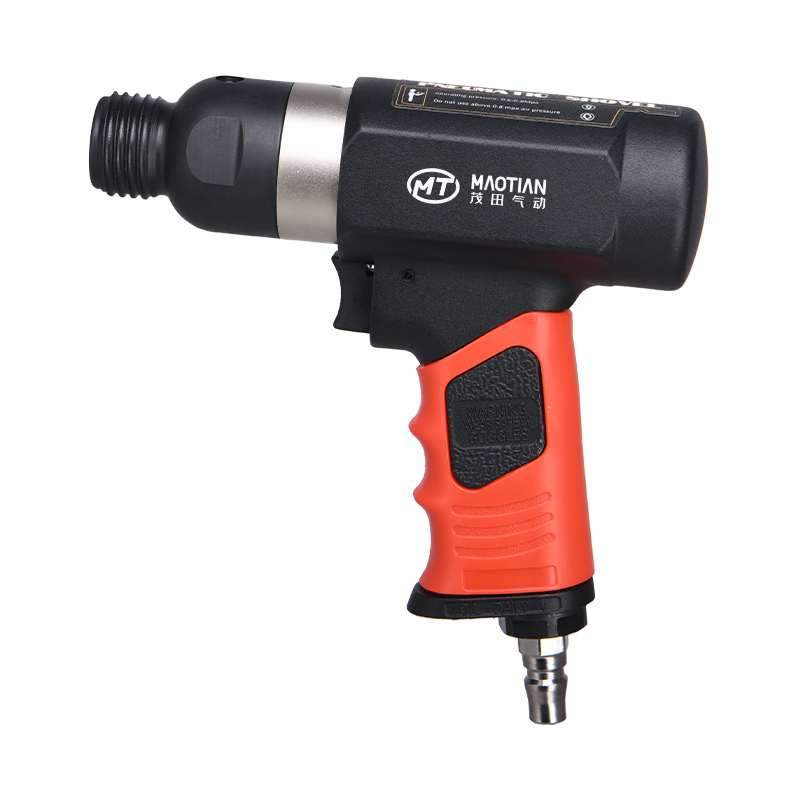
Heavy Duty Medium Barrel Air Hammer
read more -
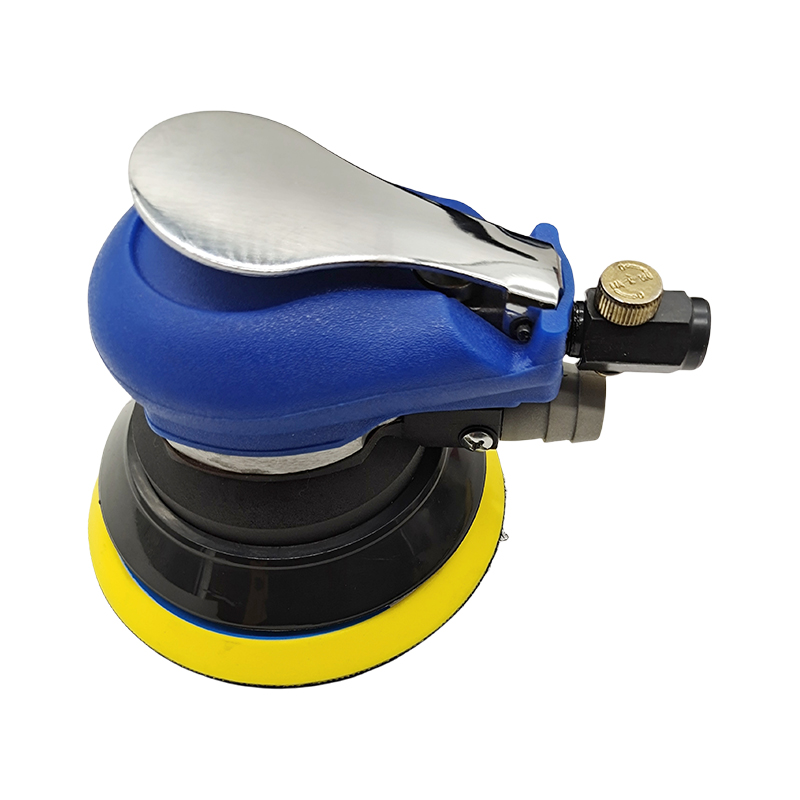
6" Pads And Sandpaper Air Random Orbital Polisher For Metal
read more -
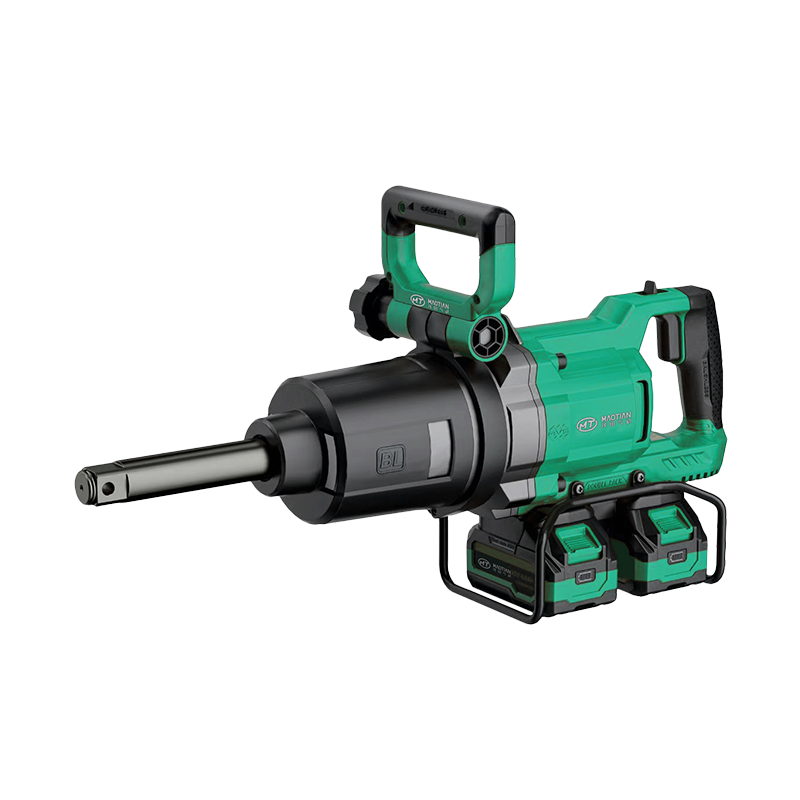
Ultra Duty 40V Strong Power Brushless 1" Li-ion Impact Wrench
read more -
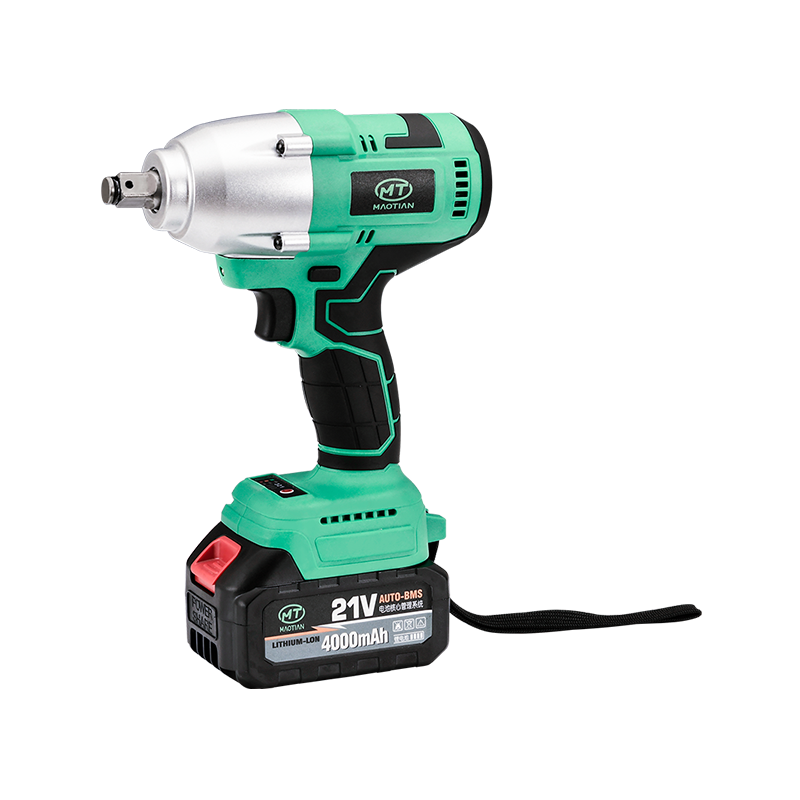
1/2" 20V Brushless Lightweight Li-ion Impact Wrench
read more -
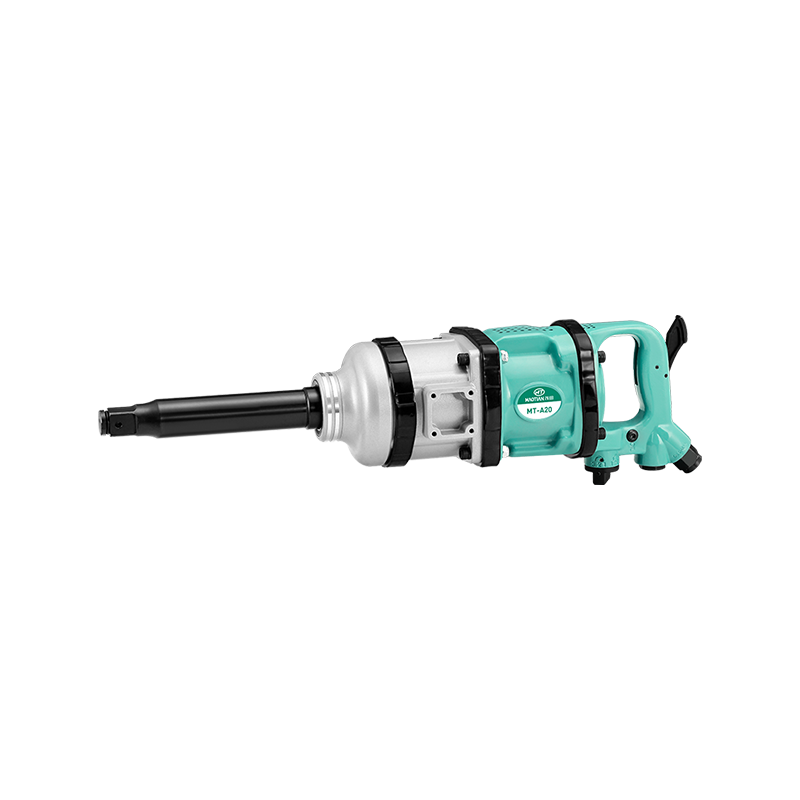
1" Heavy Duty Pinless Clutch Air Impact Wrench
read more -
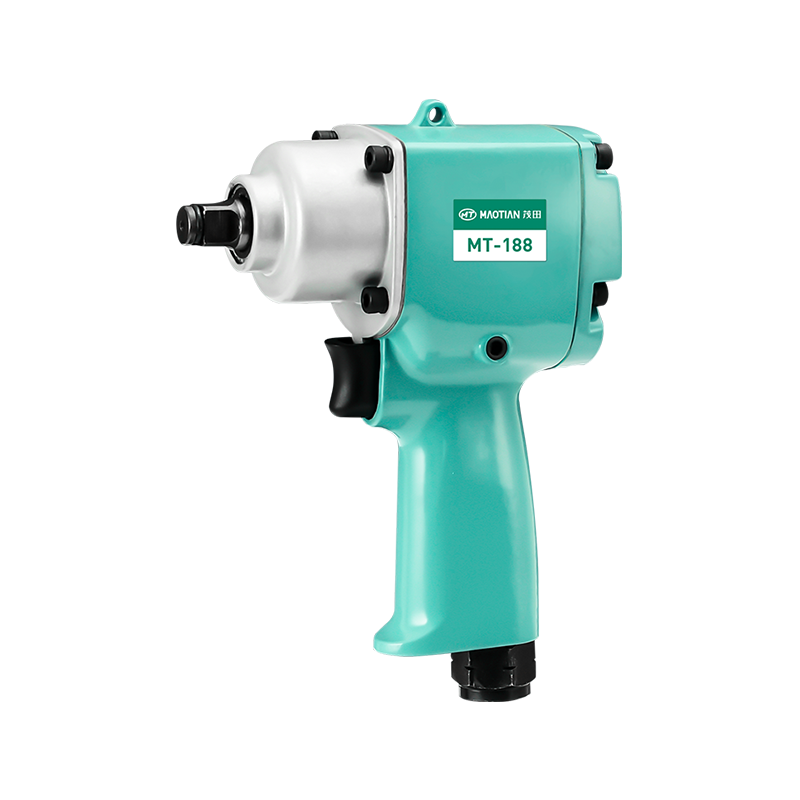
3/8 Inch Stubby Mini Air Impact Gun
read more
Contact
-
Official Address
Building 4, No. 1169, Jiutang South Road, Sanjia Street, Taizhou Bay New District, Taizhou City, Zhejiang , China.
-
Email Us
zoe@maotian-airtool.com
-
Call Us
+86 18815202028 (Zoe Sales Manager )
+86-576-82737789


Copyright © Taizhou Maotian Pneumatic Tools Co., Ltd.
Industrial Pneumatic Tools Factory


