

 中文简体
 Español
 عربى

How Do Air Power Impact Wrenches Compare to Electric Wrenches?

Impact wrenches are widely used in automotive, construction, and industrial applications to tighten or loosen nuts and bolts efficiently. Among the available options, Air Power Impact Wrenches and electric impact wrenches are two common types, each offering distinct advantages and limitations. Understanding how they compare can help professionals and DIY enthusiasts select the right tool for their specific needs.
Power Source and Performance
The obvious difference between the two types is the power source. Air power impact wrenches rely on compressed air, typically supplied by an air compressor, to drive the hammer mechanism. This allows them to deliver high torque in a compact design, making them suitable for heavy-duty applications like automotive tire changes, machinery maintenance, and construction tasks. Electric impact wrenches, on the other hand, are powered by electricity, either through corded connections or batteries. While modern electric models can produce substantial torque, air-powered units generally offer more consistent performance for prolonged tasks, especially in professional environments.
Weight and Ergonomics
Air power impact wrenches are usually lighter than their electric counterparts because they do not contain heavy batteries or large electric motors. This can reduce operator fatigue during extended use. Additionally, their compact design makes them easier to maneuver in tight spaces. Electric wrenches, while convenient for portability and cordless operation, can be bulkier due to the battery pack or motor housing, which may affect ease of handling in certain situations. Choosing between the two often depends on the balance between mobility and continuous power requirements.
Torque and Speed Control
Both air power and electric impact wrenches offer adjustable torque settings, but air-powered models often provide a wider range and higher maximum torque. This makes them well-suited for tasks that require repeated tightening of large bolts or handling heavy machinery components. Electric wrenches may have slightly slower response times under high loads and can experience reduced torque as battery power decreases. However, advances in brushless motors and battery technology have improved electric models' consistency, narrowing the performance gap for lighter to medium-duty tasks.
Maintenance and Durability
Maintenance requirements differ between the two types. Air power impact wrenches require a clean, lubricated air supply and regular inspection of pneumatic components to prevent wear. Proper care can result in long-lasting performance, even under heavy usage. Electric wrenches are generally lower-maintenance, requiring battery care and occasional motor inspection. Durability varies by model and manufacturer, but professional-grade air-powered tools often have a longer lifespan under continuous high-torque use.
Cost and Accessibility
Initial investment and operational costs are another consideration. Air power impact wrenches require an air compressor, which can add to upfront costs and limit portability. However, in settings where compressed air is already available, they can be more economical over time. Electric wrenches are more portable and convenient for small workshops or home use, though high-quality models with powerful batteries can be costly.
Air Power Impact Wrenches and electric impact wrenches each have unique advantages. Air-powered models are lightweight, durable, and capable of sustained high torque, making them suitable for professional or industrial applications. Electric wrenches offer convenience, portability, and reduced dependency on external equipment, ideal for home or light commercial tasks. Understanding these differences allows users to select the appropriate tool based on torque requirements, usage frequency, mobility, and available power sources. Choosing the right type ensures efficient, reliable, and safe operation across a variety of projects.
Product Recommendations
-
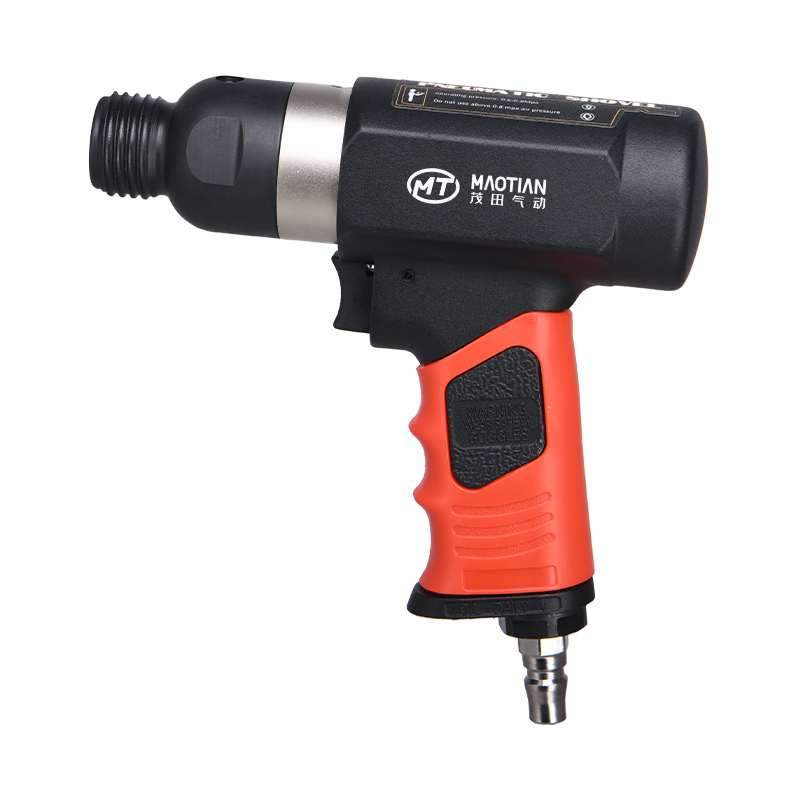
Heavy Duty Medium Barrel Air Hammer
read more -
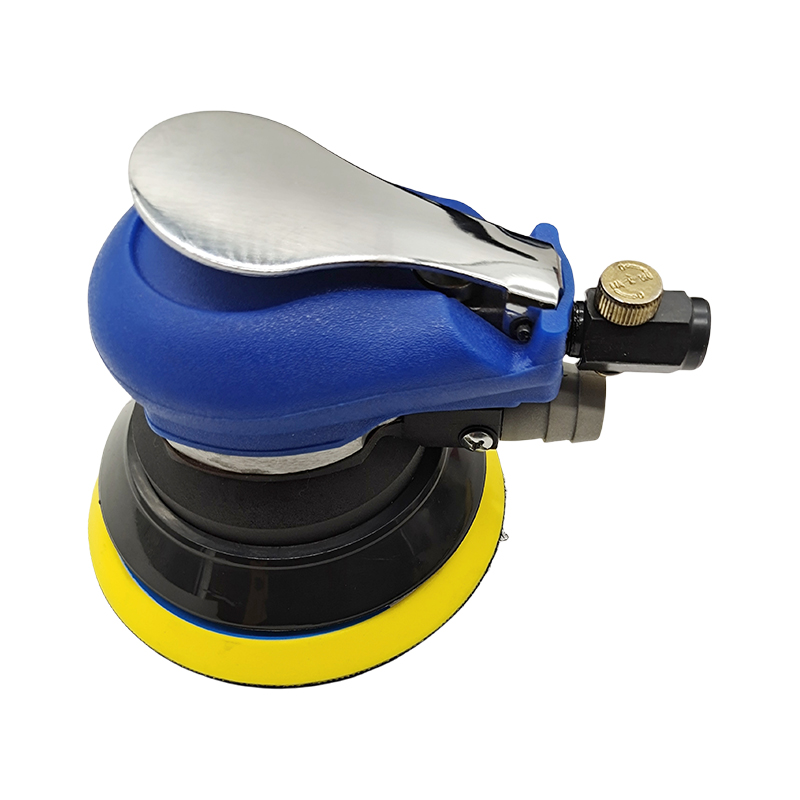
6" Pads And Sandpaper Air Random Orbital Polisher For Metal
read more -
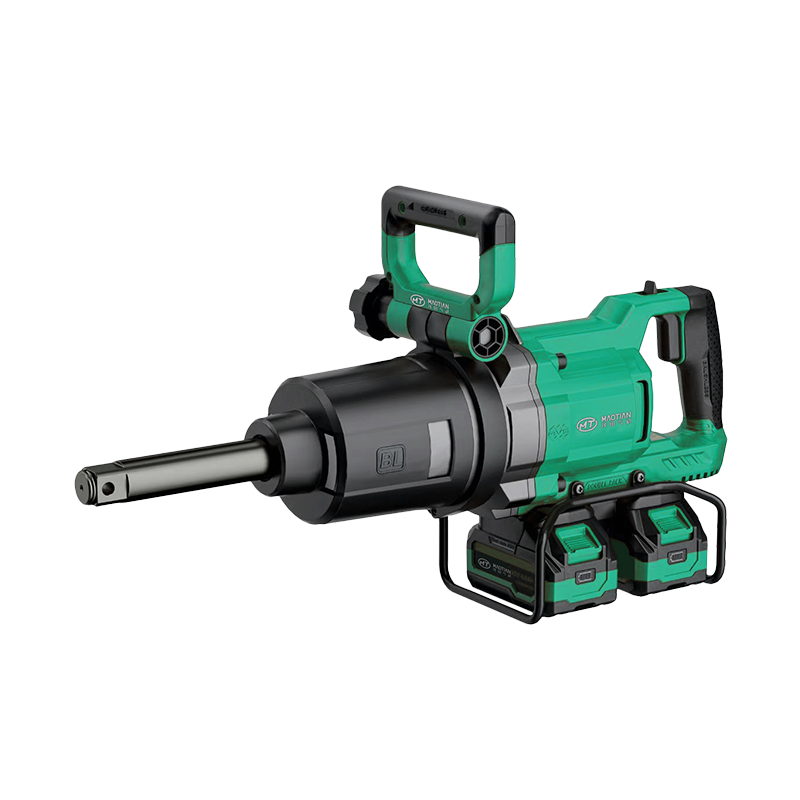
Ultra Duty 40V Strong Power Brushless 1" Li-ion Impact Wrench
read more -
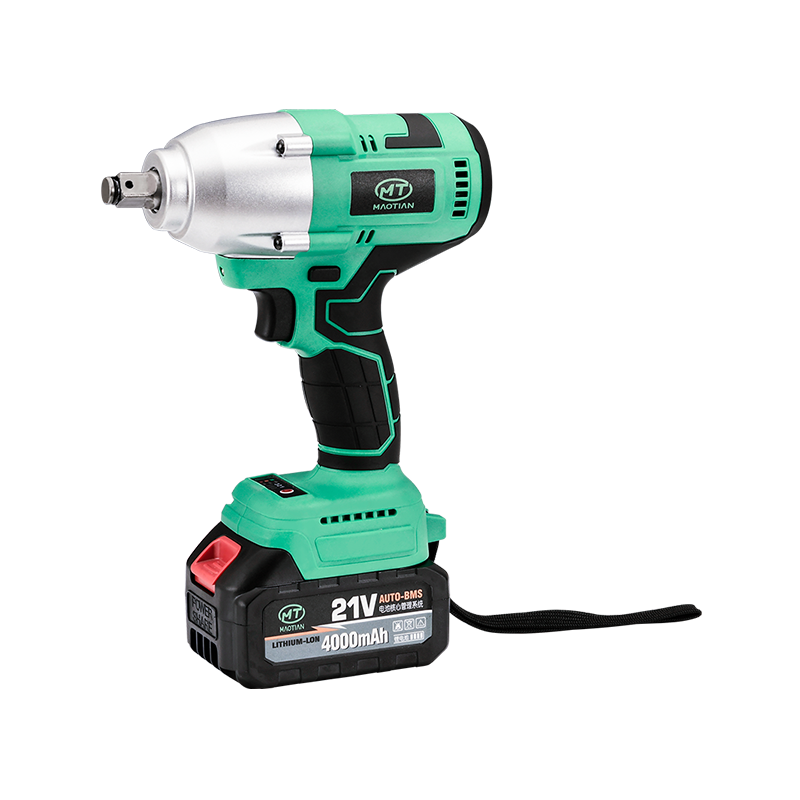
1/2" 20V Brushless Lightweight Li-ion Impact Wrench
read more -
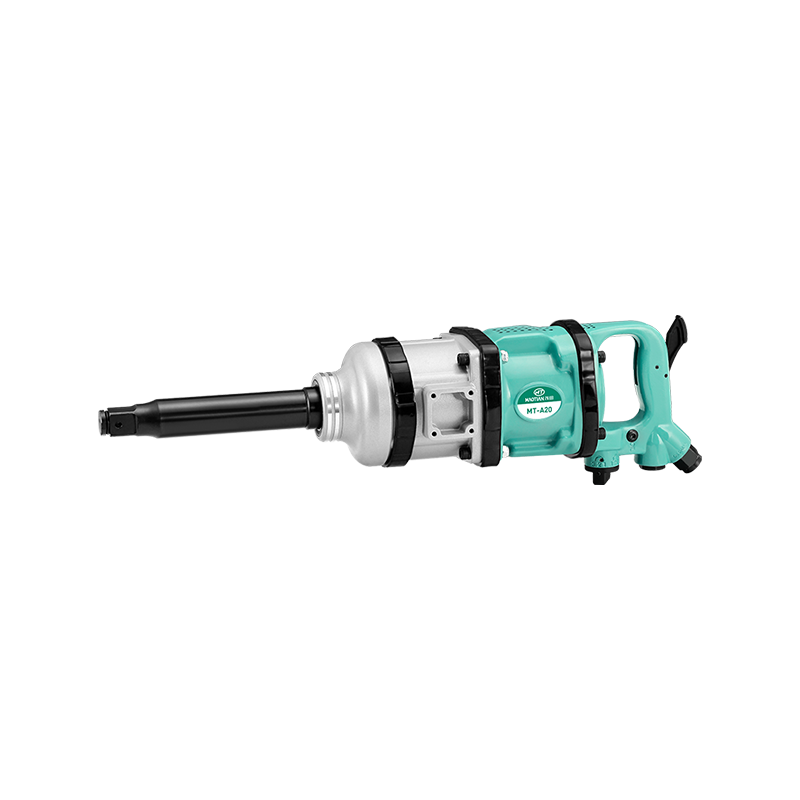
1" Heavy Duty Pinless Clutch Air Impact Wrench
read more -
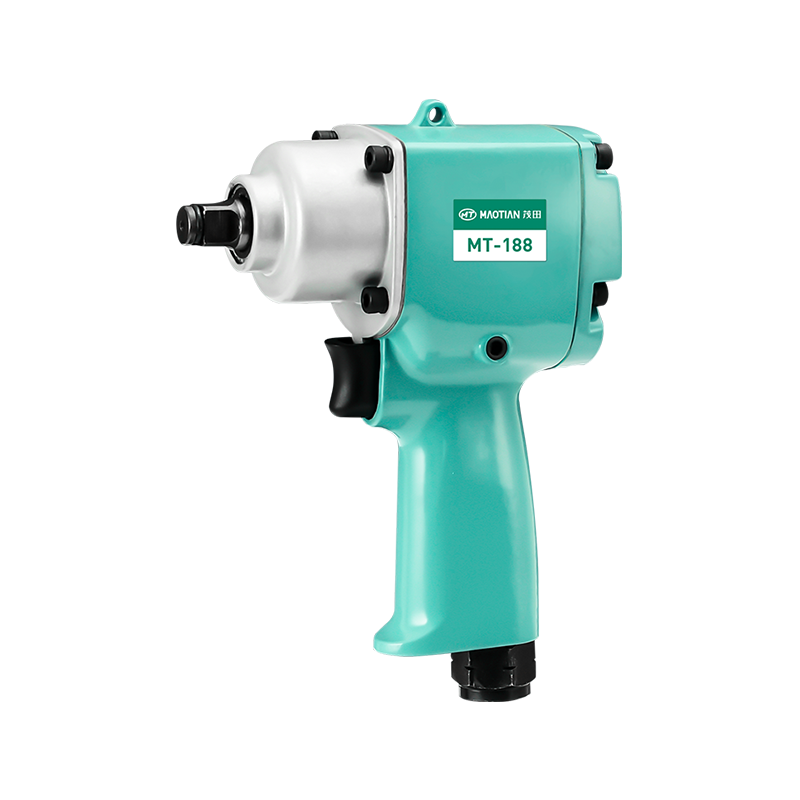
3/8 Inch Stubby Mini Air Impact Gun
read more
Contact
-
Official Address
Building 4, No. 1169, Jiutang South Road, Sanjia Street, Taizhou Bay New District, Taizhou City, Zhejiang , China.
-
Email Us
zoe@maotian-airtool.com
-
Call Us
+86 18815202028 (Zoe Sales Manager )
+86-576-82737789


Copyright © Taizhou Maotian Pneumatic Tools Co., Ltd.
Industrial Pneumatic Tools Factory


