

 中文简体
 Español
 عربى

Comparison Between Air Driven Power Tools and Electric Tools
In the world of construction, automotive repair, and industrial manufacturing, the choice between air driven power tools and electric tools is a critical decision that can impact efficiency, performance, and cost.
Air driven power tools, often referred to as air compressor tools, have been a staple in industries where high torque and portability are required. Similarly, electric tools have been the go-to for tasks that demand precision and less physical exertion. Both types of tools have their own set of benefits and drawbacks, and the selection often depends on the specific application and the environment in which they will be used.
Power Source and Mobility
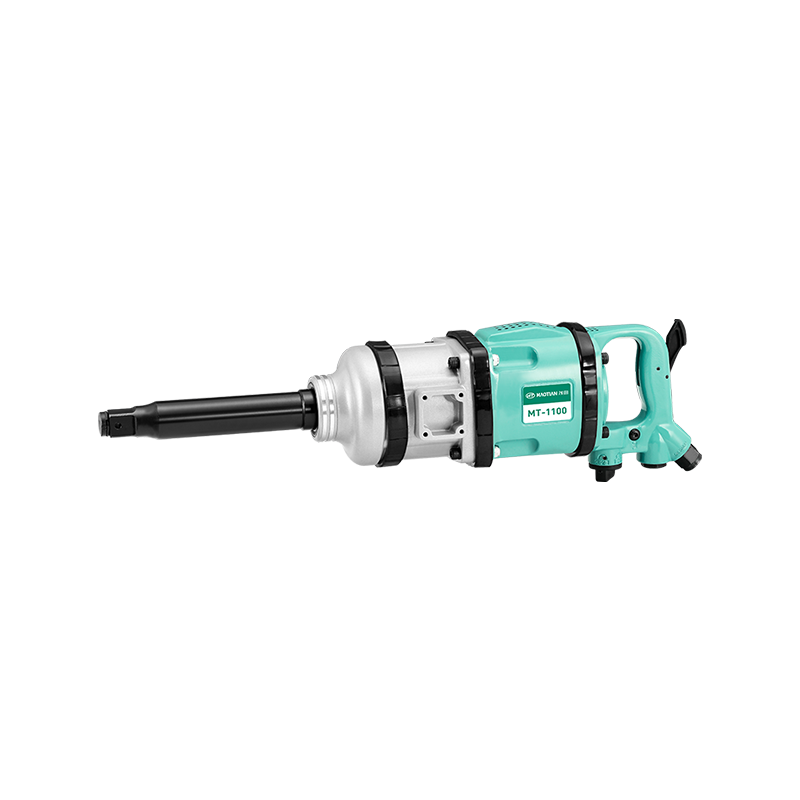
One of the primary differences between air compressor tools and electric tools is their power source. Air driven power tools require a separate air compressor to operate, which can be both an advantage and a disadvantage. On one hand, the air compressor tool set offers unmatched portability, as the tools themselves are lightweight and only need a source of compressed air to function. This is particularly beneficial in environments where electrical outlets are scarce or where the task requires movement around a large workspace.
Electric tools, on the other hand, are tethered to a power source, which can limit their mobility but ensures a constant power supply without the need for an air compressor. This makes them ideal for tasks that require a stable and continuous power source, such as in a workshop or on a construction site with access to electricity.
Performance and Torque
When it comes to performance, air driven power tools are known for their high torque capabilities. An air compressor wrench gun, for instance, can deliver significant power with minimal effort from the user, making it good for tasks that require a lot of force, such as loosening or tightening heavy nuts and bolts. This high torque also allows for faster work rates, which can be a significant advantage in industries where time is money.
Electric tools, while not as powerful in terms of torque, offer more consistent and controlled power. This is particularly important for tasks that require precision, such as in electronics assembly or intricate carpentry work. The variable speed control on many electric tools allows for fine-tuning the speed and torque, which can cause higher quality work.
Maintenance and Cost
Maintenance is another area where air compressor tools and electric tools diverge. Air compressor tool sets require regular maintenance of the air compressor itself, including checking for leaks, replacing filters, and lubricating moving parts. However, the tools are generally more durable and can withstand harsh conditions without the risk of electrical damage.
Electric tools, while requiring less maintenance in terms of the tools themselves, are more susceptible to damage from water and dust. They also require a reliable power source, which can be a drawback in environments where power outages are common or where the task is remote.
Cost is a significant factor when choosing between air driven power tools and electric tools. Air compressor tools can be more expensive upfront due to the need to purchase both the tools and the air compressor. However, they often have lower operating costs and longer lifespans due to their durability. Electric tools, while potentially cheaper initially, may require more frequent replacement due to the wear and tear from continuous use.
Ergonomics and Safety
Ergonomics play a crucial role in the choice of power tools. Air driven power tools, such as the air compressor wrench gun, are often praised for their reduced operator fatigue due to the power they deliver. This can cause increased productivity and decreased risk of injury over extended periods of use.
Electric tools are generally quieter and produce less vibration, which can be beneficial for user comfort and hearing protection. They also eliminate the risk of compressed air-related injuries, which is a consideration when using air compressor tool sets in close quarters or around sensitive equipment.
The decision between air driven power tools and electric tools is not one-size-fits-all. The air compressor tool set excels in scenarios where high torque, mobility, and durability are paramount, while electric tools shine in applications demanding precision, controlled power, and a stable power supply. Understanding the specific needs of your work and the environment in which you operate is key to selecting appropriate tools for the job. Whether you're reaching for an air compressor wrench gun or a corded drill, the right tool can make all the difference in efficiency, quality, and workplace safety.
Product Recommendations
-
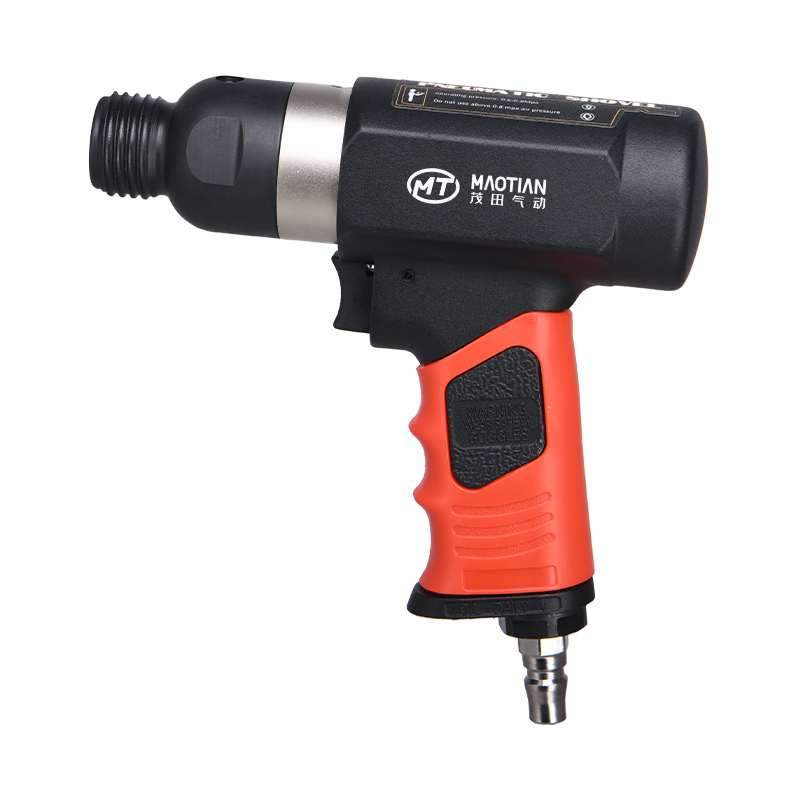
Heavy Duty Medium Barrel Air Hammer
read more -
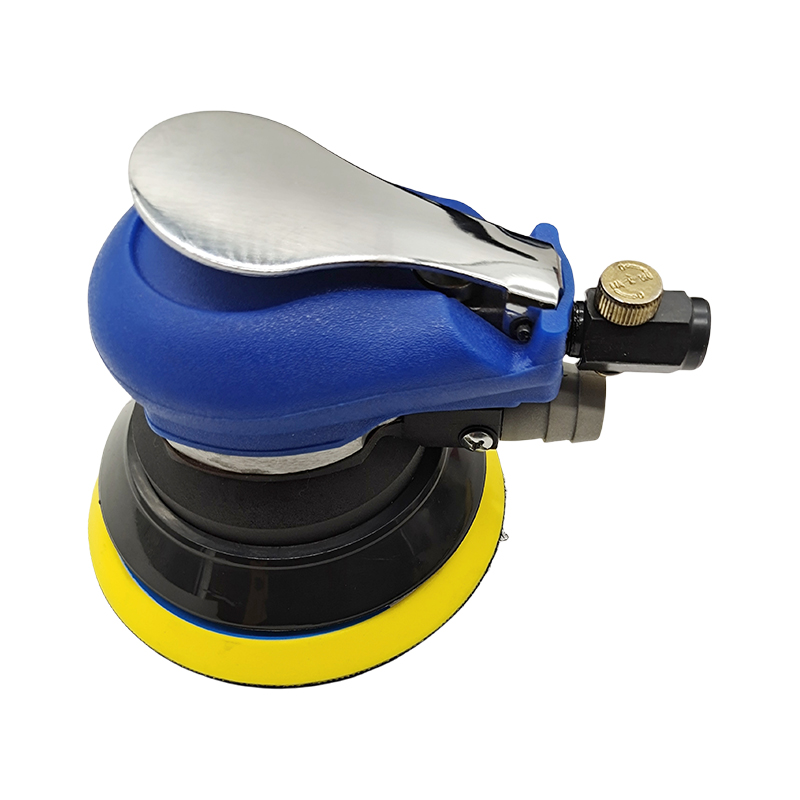
6" Pads And Sandpaper Air Random Orbital Polisher For Metal
read more -
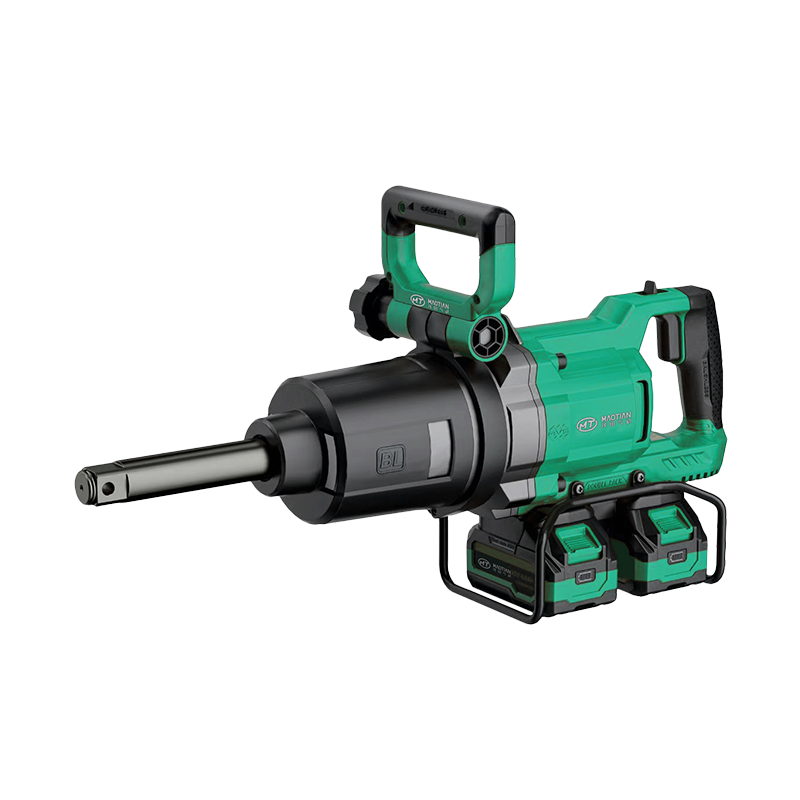
Ultra Duty 40V Strong Power Brushless 1" Li-ion Impact Wrench
read more -
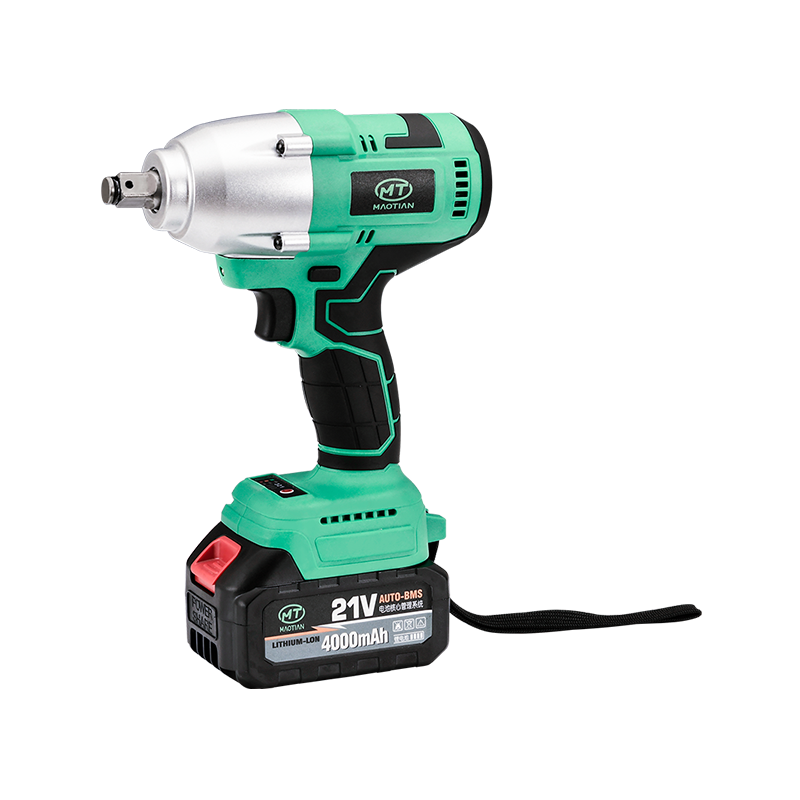
1/2" 20V Brushless Lightweight Li-ion Impact Wrench
read more -
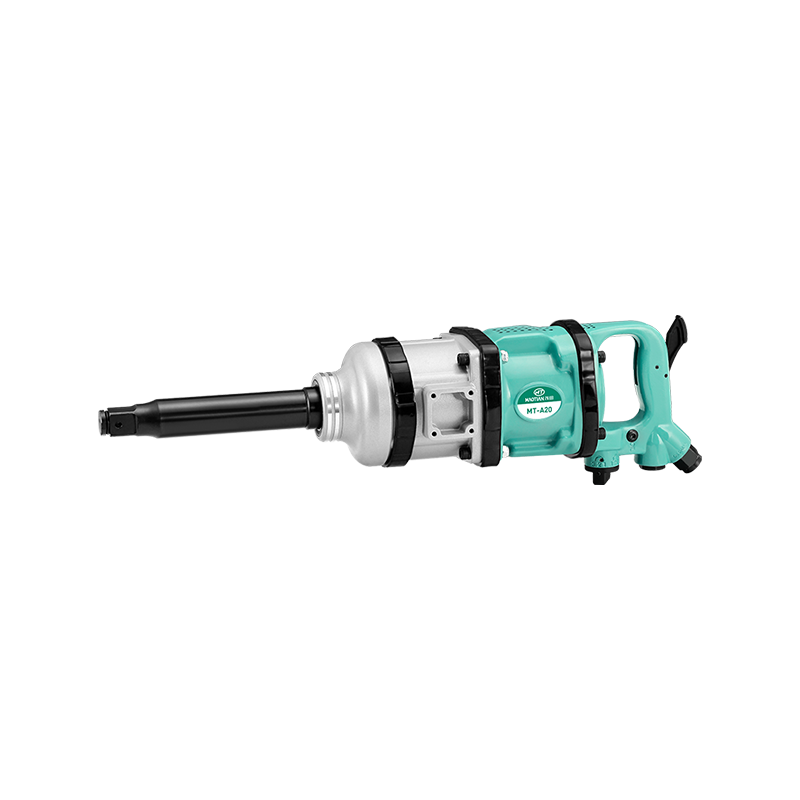
1" Heavy Duty Pinless Clutch Air Impact Wrench
read more -
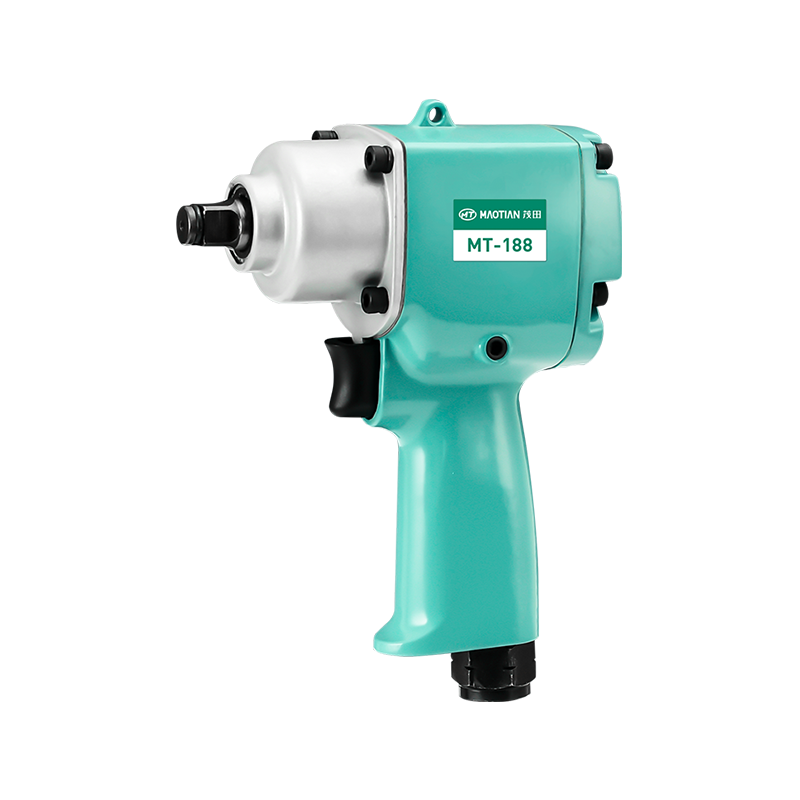
3/8 Inch Stubby Mini Air Impact Gun
read more
Contact
-
Official Address
Building 4, No. 1169, Jiutang South Road, Sanjia Street, Taizhou Bay New District, Taizhou City, Zhejiang , China.
-
Email Us
zoe@maotian-airtool.com
-
Call Us
+86 18815202028 (Zoe Sales Manager )
+86-576-82737789


Copyright © Taizhou Maotian Pneumatic Tools Co., Ltd.
Industrial Pneumatic Tools Factory


