

 中文简体
 Español
 عربى

Common Failures in Air Gun Power Tools and How to Fix Them
Air gun power tools have become indispensable in many industrial and home garage settings, offering efficient performance for tasks ranging from tightening bolts to grinding surfaces. However, like all mechanical tools, an air gun power tool is not immune to wear and operational issues. Regular use can cause performance degradation or failure if not properly maintained.
One of frequently encountered issues with an air gun power tool is a drop in torque or power output. This problem can often be traced to air leaks in the system. Leaky seals or damaged hoses can prevent your tool from receiving adequate air pressure, significantly affecting its performance. For instance, if your air gun wrench tool starts losing strength or is unable to loosen bolts it once could, the issue might lie in the air supply line. Inspect all connections, replace damaged seals, and ensure the hose is not kinked or cracked.
Another common failure in an air gun power tool is irregular or inconsistent operation. This could include sputtering performance, sudden starts and stops, or failure to engage entirely. This is often caused by dirty or clogged air filters. Over time, debris and moisture can accumulate in the air intake, compromising the efficiency of your air gun wrench tool. The solution is to clean or replace the air filters regularly and ensure moisture traps are working correctly. Additionally, draining the air compressor tank of moisture buildup can prevent this type of issue.
A crucial yet often overlooked component in air gun power tool systems is the grinder mechanism, especially in tools like die grinders. Worn-out air grinder parts can result in grinding inefficiencies or even complete failure of the grinder function. For example, if the grinding disc isn't rotating smoothly or makes abnormal noises, it might be due to worn bearings or damaged vanes. Replacing the affected air grinder parts can quickly restore the tool to good performance.

One more prevalent problem is overheating. An air gun power tool that gets unusually hot during use may be over-lubricated or suffering from poor ventilation. Over-lubrication can attract more dust, which clogs internal parts and causes friction. Make sure to use the correct amount and type of lubrication recommended for your air gun wrench tool, and avoid excessive application.
Sometimes users report that their air gun wrench tool vibrates excessively or makes loud noises during operation. This could signal internal imbalance, loose fittings, or degraded air grinder parts. Disassemble the tool to check for internal wear or unbalanced components and tighten all fasteners securely. Replacing aged air grinder parts such as the rotor or spindle may also reduce vibration.
To prevent many of these failures, routine maintenance is key. Clean your air gun power tool after every use, lubricate it appropriately, and check for signs of wear. Replace air grinder parts as soon as you notice performance drops. If you use multiple air gun wrench tools in your setup, rotate them to distribute wear evenly and extend their service life.
While air gun power tools offer impressive functionality and efficiency, they are susceptible to a range of common issues. Power loss, erratic operation, overheating, and noisy performance are typical failures that can often be remedied with simple inspections and part replacements. By understanding the function and upkeep of air gun power tools, especially critical components like air gun wrench tools and air grinder parts, users can significantly enhance tool performance and reduce downtime. Consistent maintenance and early intervention remain effective strategies for avoiding costly repairs or replacements.
Product Recommendations
-
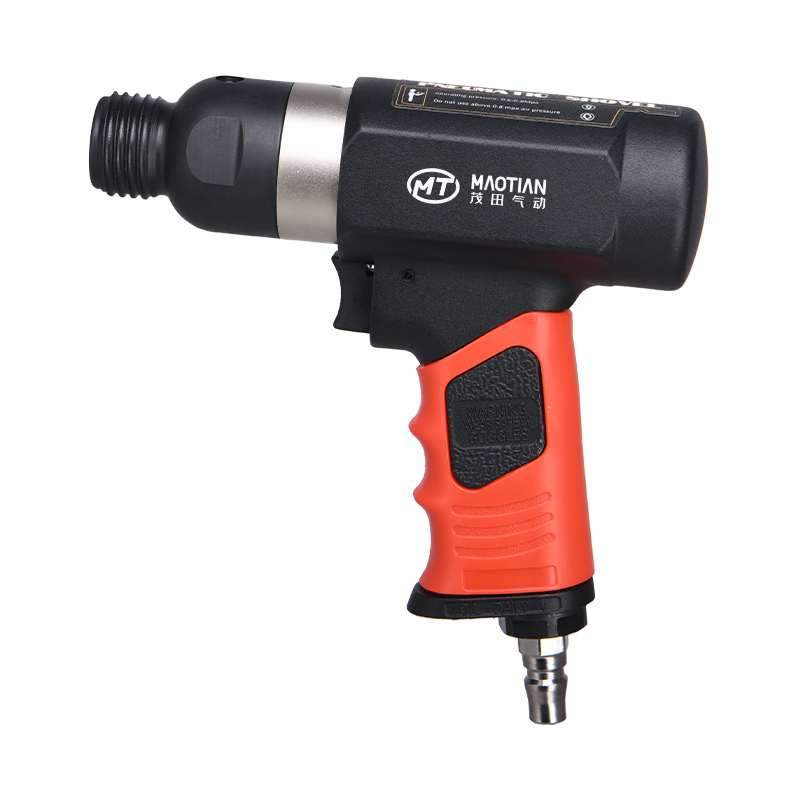
Heavy Duty Medium Barrel Air Hammer
read more -
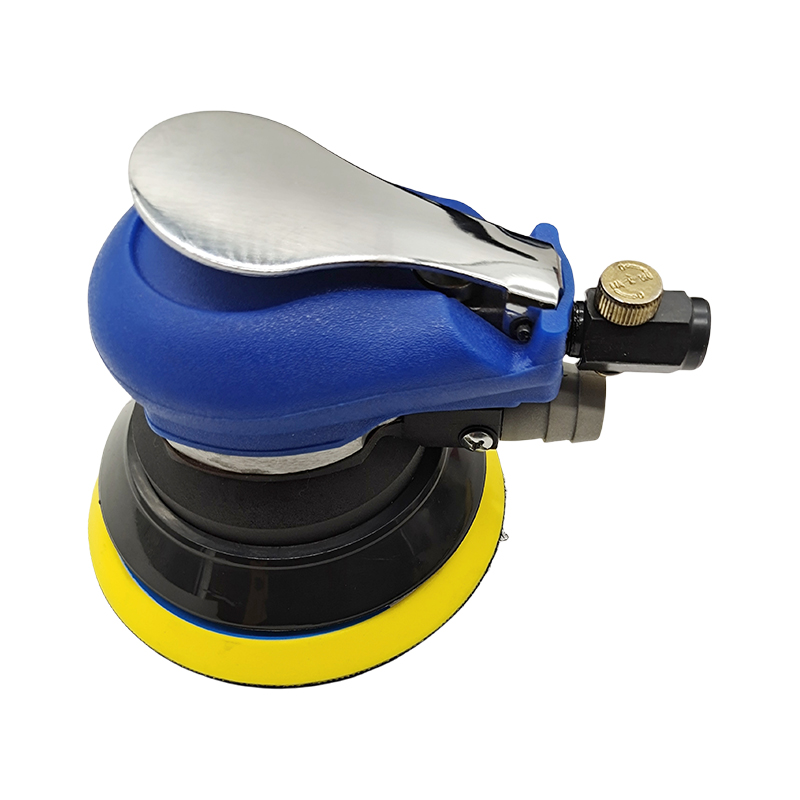
6" Pads And Sandpaper Air Random Orbital Polisher For Metal
read more -
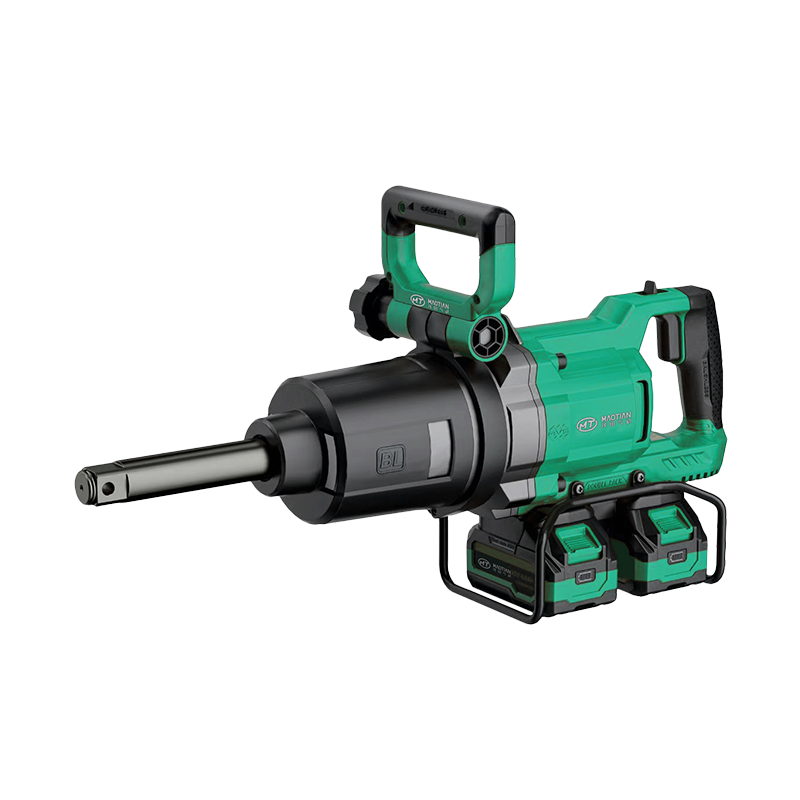
Ultra Duty 40V Strong Power Brushless 1" Li-ion Impact Wrench
read more -
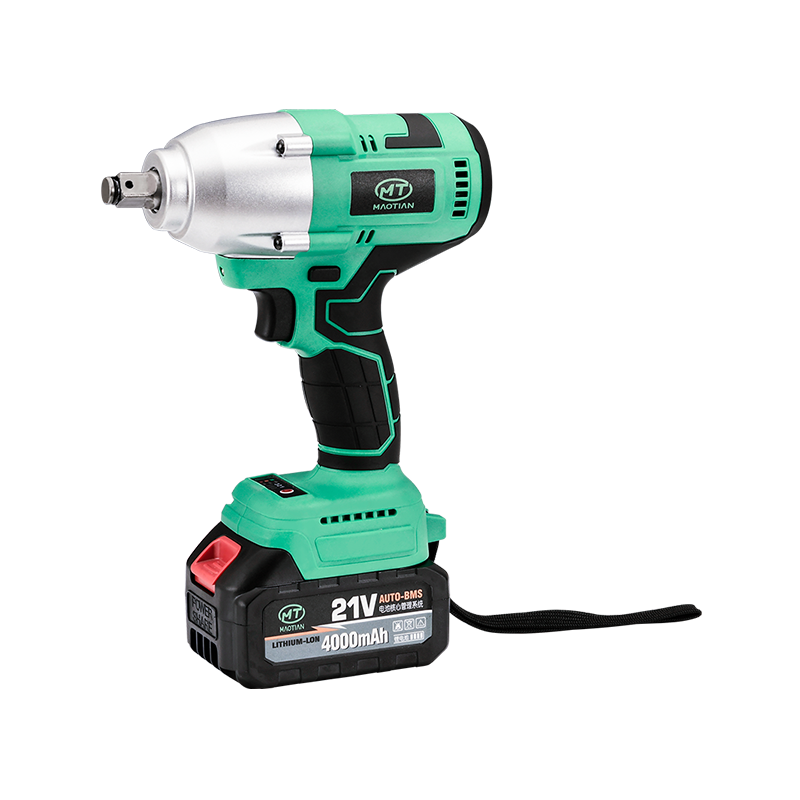
1/2" 20V Brushless Lightweight Li-ion Impact Wrench
read more -
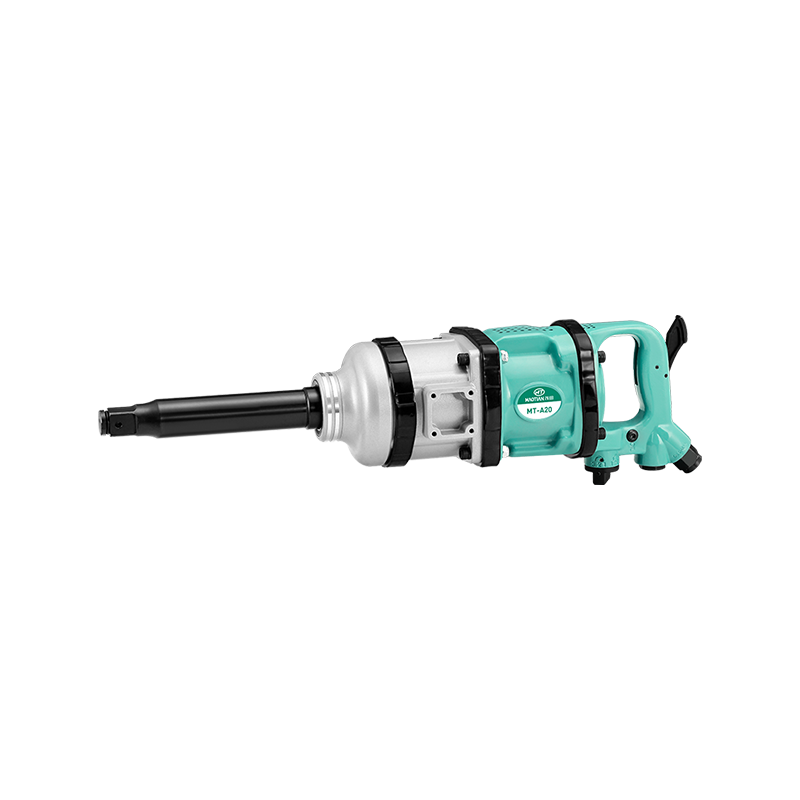
1" Heavy Duty Pinless Clutch Air Impact Wrench
read more -
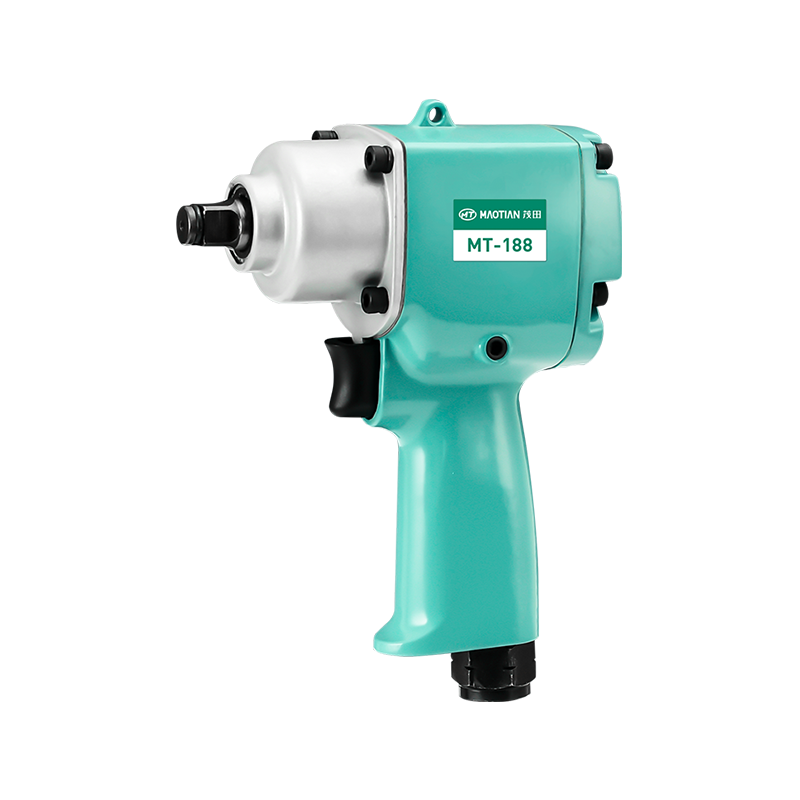
3/8 Inch Stubby Mini Air Impact Gun
read more
Contact
-
Official Address
Building 4, No. 1169, Jiutang South Road, Sanjia Street, Taizhou Bay New District, Taizhou City, Zhejiang , China.
-
Email Us
zoe@maotian-airtool.com
-
Call Us
+86 18815202028 (Zoe Sales Manager )
+86-576-82737789


Copyright © Taizhou Maotian Pneumatic Tools Co., Ltd.
Industrial Pneumatic Tools Factory


