

 中文简体
 Español
 عربى

Can Straight Air Die Grinders Be Used for Heavy-Duty Tasks?

Straight air die grinders are versatile pneumatic tools widely used in metalworking, automotive repair, and manufacturing industries. They are designed to perform tasks such as grinding, polishing, deburring, and surface finishing. For users considering them for more demanding operations, it is important to understand whether a Straight Air Die Grinder Manufacturer designs these tools to handle heavy-duty tasks effectively.
Tool Design and Build Quality
The capability of a straight air die grinder to manage heavy-duty tasks largely depends on its construction. Manufacturers typically use durable materials such as aluminum or steel for the body and high-grade components for the internal mechanisms. A well-constructed grinder can withstand higher torque, prolonged operation, and more demanding materials without compromising performance. Features such as reinforced collets and precision bearings improve stability, reducing vibration during intensive use. By choosing tools from a Straight Air Die Grinder Manufacturer that emphasizes robust design, users can achieve reliable performance in challenging applications.
Motor Power and Air Supply
Another important factor is the motor or pneumatic system that powers the grinder. Heavy-duty tasks often require high rotational speed and consistent torque to cut, grind, or shape tough materials like steel or hardened metals. Straight air die grinders are powered by compressed air, and the efficiency of the tool depends on the air pressure and flow provided by the system. Selecting a grinder rated for higher PSI and CFM ensures that it can maintain performance under load. Manufacturers usually provide specifications indicating suitable operating pressures and recommended air supply requirements, helping users determine if a particular model can handle demanding applications.
Tool Accessories and Versatility
Straight air die grinders can also be equipped with a variety of attachments, including grinding stones, burrs, sanding drums, and polishing wheels. The choice of accessory affects how well the tool can perform heavy-duty tasks. For example, hardened steel burrs are suitable for aggressive material removal, while softer stones or wheels are better for finishing. A Straight Air Die Grinder Manufacturer often provides guidance on compatible accessories to ensure safety and effectiveness, allowing users to match the tool setup with the task at hand.
Operational Considerations
While straight air die grinders can handle tougher jobs, continuous heavy-duty operation may require intermittent use to prevent overheating and wear. Proper lubrication of the air motor, regular maintenance, and adherence to the manufacturer's operational guidelines can extend the tool's life and maintain consistent performance. Using the correct grip, pressure, and technique also helps prevent damage to both the tool and the workpiece.
Limitations and Practical Use
It is important to note that straight air die grinders are generally more suited for precision work and medium-duty tasks than for large-scale industrial cutting or grinding. For extremely heavy applications, such as large metal removal or extended operation on thick materials, users may need more powerful tools like angle grinders or industrial grinders. However, with appropriate selection, a high-quality straight air die grinder can handle many demanding tasks efficiently.
Straight air die grinders offer versatility and durability that allow them to perform a wide range of tasks, including some heavy-duty operations. By selecting tools designed for higher torque, ensuring proper air supply, using compatible accessories, and following maintenance guidelines, users can rely on a Straight Air Die Grinder Manufacturer's products for demanding applications. While not a replacement for industrial-grade grinders in extreme scenarios, these tools provide precision, adaptability, and robust performance for many challenging tasks in workshops and production environments.
Product Recommendations
-
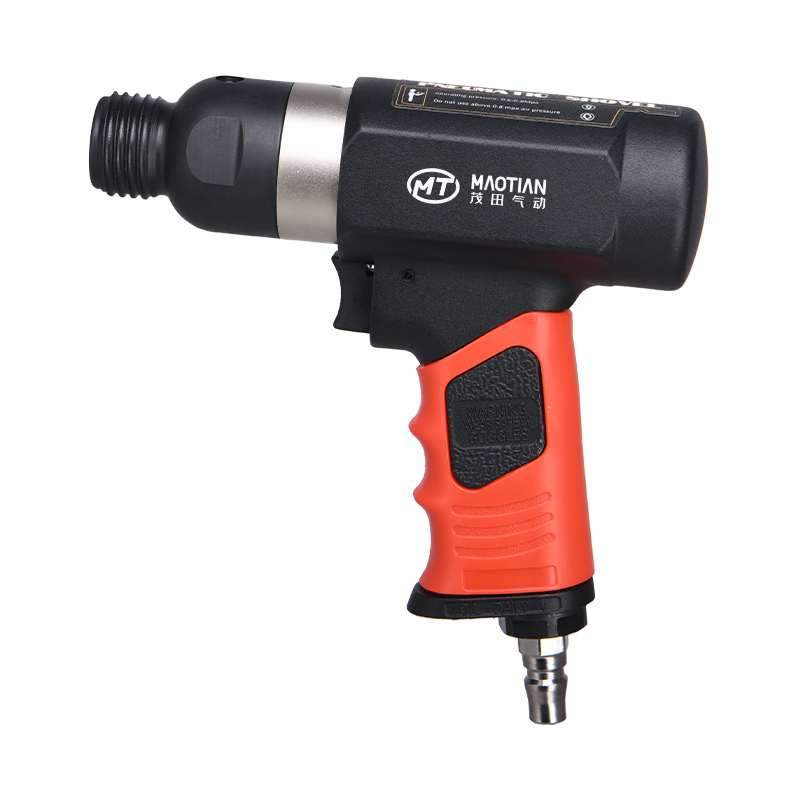
Heavy Duty Medium Barrel Air Hammer
read more -
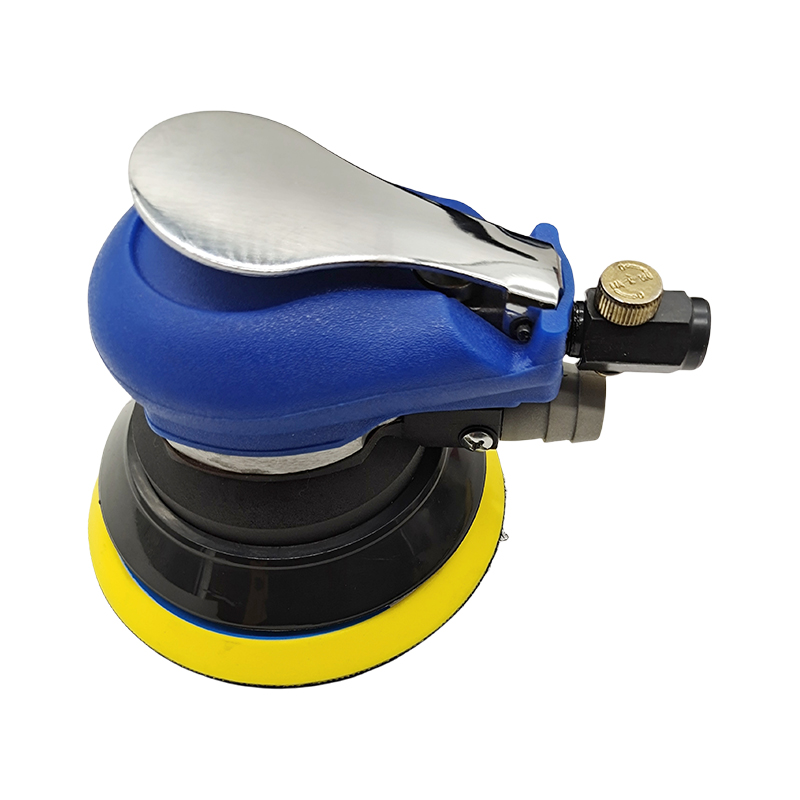
6" Pads And Sandpaper Air Random Orbital Polisher For Metal
read more -
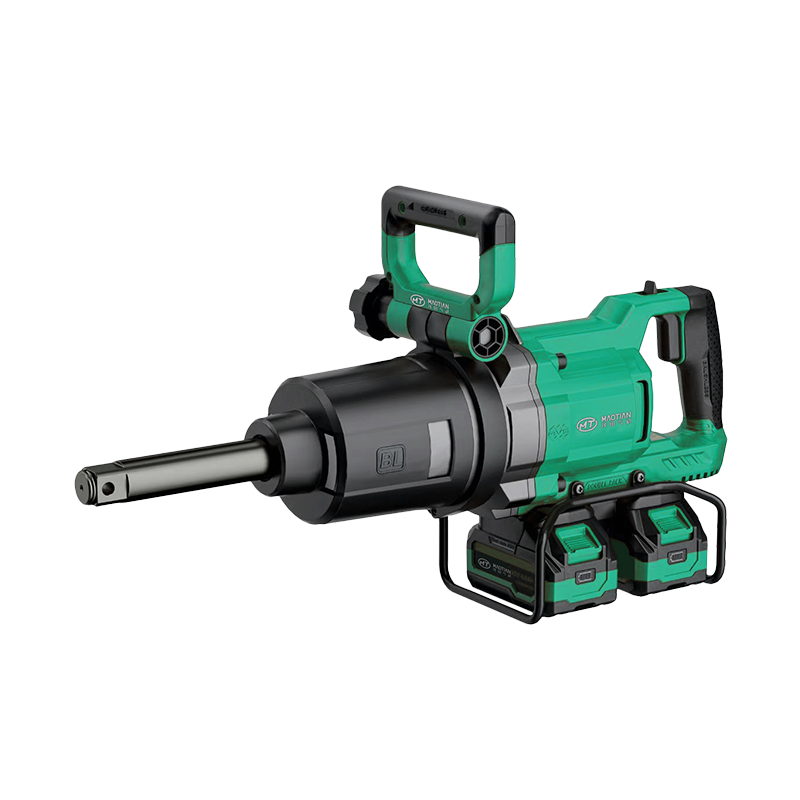
Ultra Duty 40V Strong Power Brushless 1" Li-ion Impact Wrench
read more -
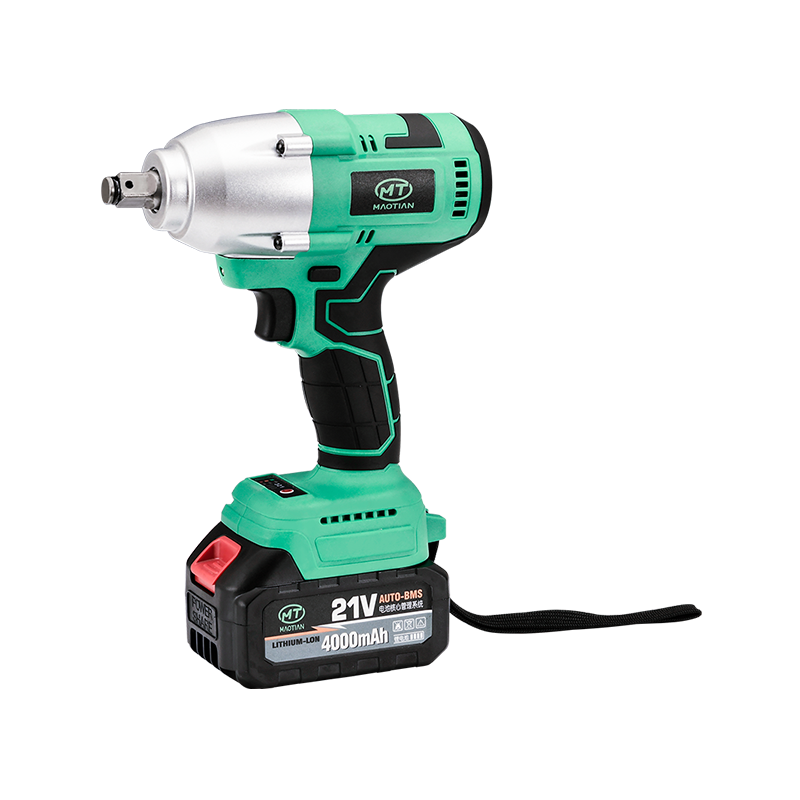
1/2" 20V Brushless Lightweight Li-ion Impact Wrench
read more -
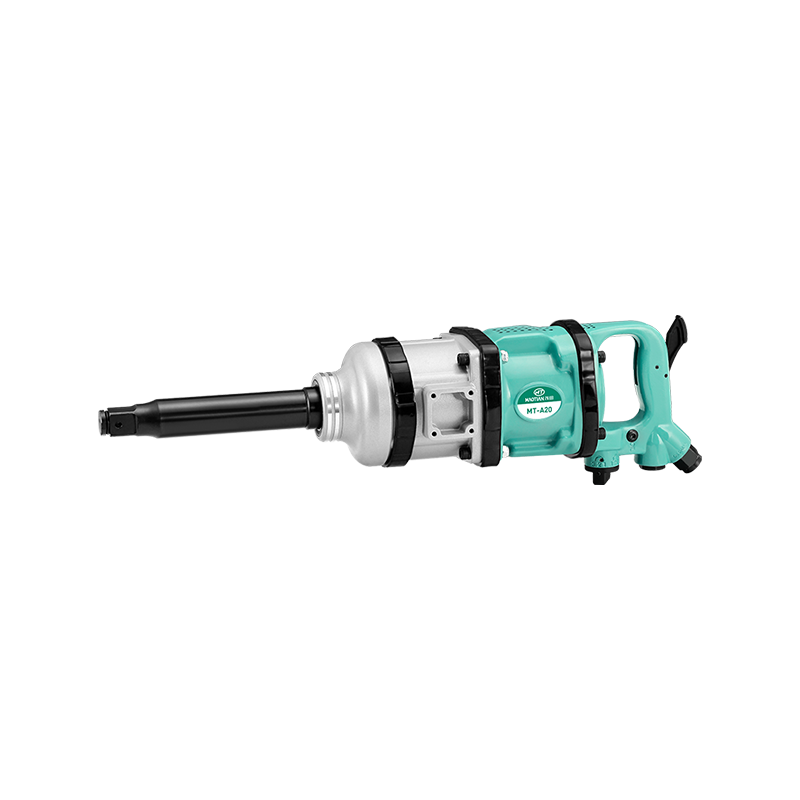
1" Heavy Duty Pinless Clutch Air Impact Wrench
read more -
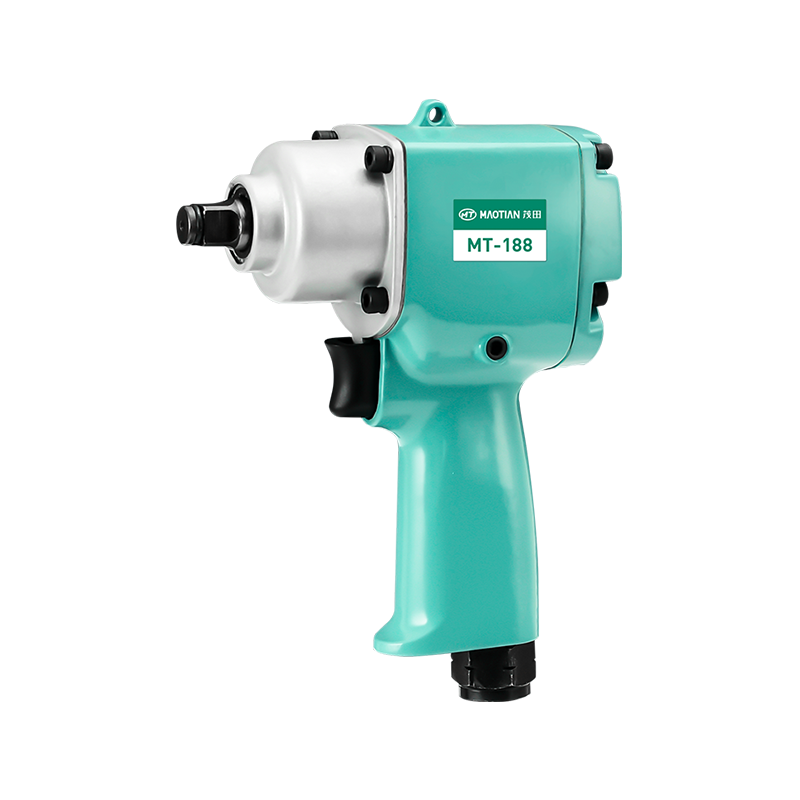
3/8 Inch Stubby Mini Air Impact Gun
read more
Contact
-
Official Address
Building 4, No. 1169, Jiutang South Road, Sanjia Street, Taizhou Bay New District, Taizhou City, Zhejiang , China.
-
Email Us
zoe@maotian-airtool.com
-
Call Us
+86 18815202028 (Zoe Sales Manager )
+86-576-82737789


Copyright © Taizhou Maotian Pneumatic Tools Co., Ltd.
Industrial Pneumatic Tools Factory


