

 中文简体
 Español
 عربى

Can Straight Air Die Grinders Be Used for Heavy Duty?

Straight air die grinders are versatile tools widely used in metalworking, automotive repair, and construction applications. They are known for their precision, compact design, and ability to access tight spaces. However, a common question among users is whether a Straight Air Die Grinder can handle heavy-duty tasks effectively. Understanding the capabilities, limitations, and proper usage of these tools helps in determining their suitability for demanding applications.
Power and Air Supply Considerations
The performance of a straight air die grinder largely depends on its air pressure and flow rate. models operate on standard compressed air systems, typically ranging from 90 to 120 PSI. While this is sufficient for general grinding, polishing, and light material removal, heavy-duty operations such as removing large amounts of metal, cutting hard alloys, or sustained grinding on thick materials require careful consideration of air supply. Consistent and adequate airflow is essential to maintain torque and prevent the tool from stalling under load.
Tool Design and Durability
The design of a Straight Air Die Grinder affects its ability to handle heavy-duty work. High-quality models are built with durable components such as reinforced housings, precision bearings, and robust motors to withstand extended use. Straight grinders with higher RPMs and appropriate collet sizes can manage tougher tasks, but overloading the tool may lead to premature wear, reduced efficiency, or damage to internal parts. Selecting a grinder rated for higher torque or industrial use increases the likelihood of successfully performing demanding operations.
Material and Access
Straight air die grinders are particularly useful for tasks that require access to narrow or hard-to-reach areas. While they excel in precision work, this design can limit their heavy-duty capacity compared to larger angle grinders or belt sanders. Materials such as aluminum, soft steel, and plastics are generally manageable, but harder metals like stainless steel or cast iron may challenge standard models. In heavy-duty applications, users must match the tool specifications with the material hardness and thickness to avoid inefficient grinding or tool damage.
Operator Technique and Safety
Heavy-duty use of a straight air die grinder also depends on operator technique. Applying steady pressure, maintaining proper angle, and allowing the tool to do the work without forcing it are crucial to prevent overloading. Prolonged heavy grinding can increase heat buildup, which may affect the tool and the workpiece. Wearing personal protective equipment, including gloves, goggles, and hearing protection, ensures safe operation during demanding tasks.
Maintenance and Longevity
Proper maintenance is vital when using a Straight Air Die Grinder for heavy-duty applications. Regular lubrication of air motors, checking for worn components, and ensuring clean air supply help maintain performance and extend tool life. Neglecting maintenance can lead to reduced efficiency and potential failure under demanding conditions. Manufacturers often provide guidelines for usage limits and maintenance intervals that help users achieve reliable performance.
A Straight Air Die Grinder can be used for some heavy-duty tasks if it is properly rated, well-maintained, and paired with adequate air supply. Its compact design and precision capabilities make it ideal for detailed work in tight spaces, but users must consider material hardness, tool specifications, and operator technique when attempting demanding operations. While not always a substitute for larger industrial grinders, a high-quality straight air die grinder offers versatility and can handle moderately heavy workloads with careful usage and maintenance.
Product Recommendations
-
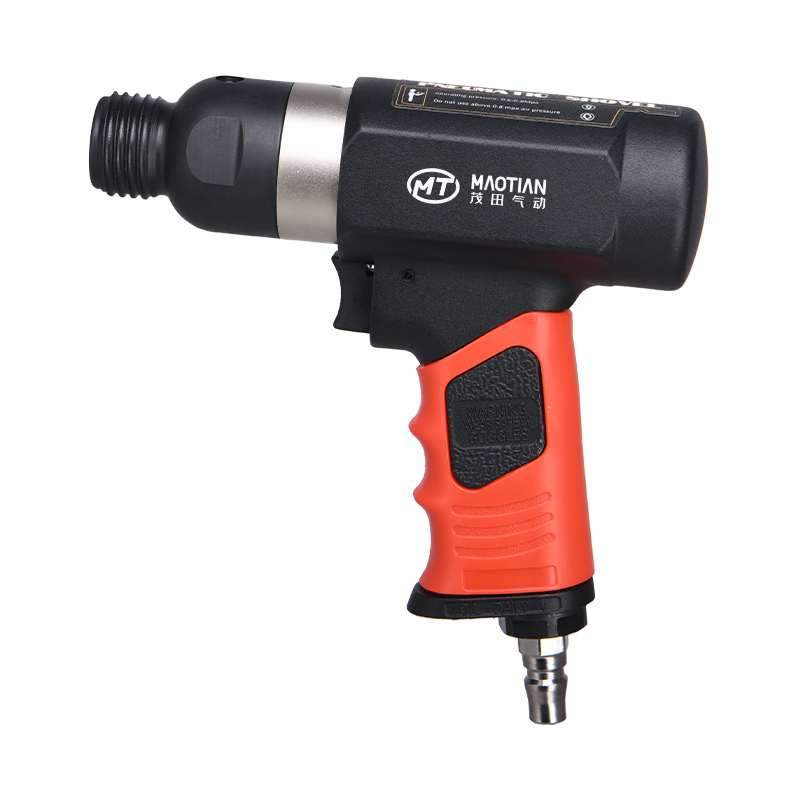
Heavy Duty Medium Barrel Air Hammer
read more -
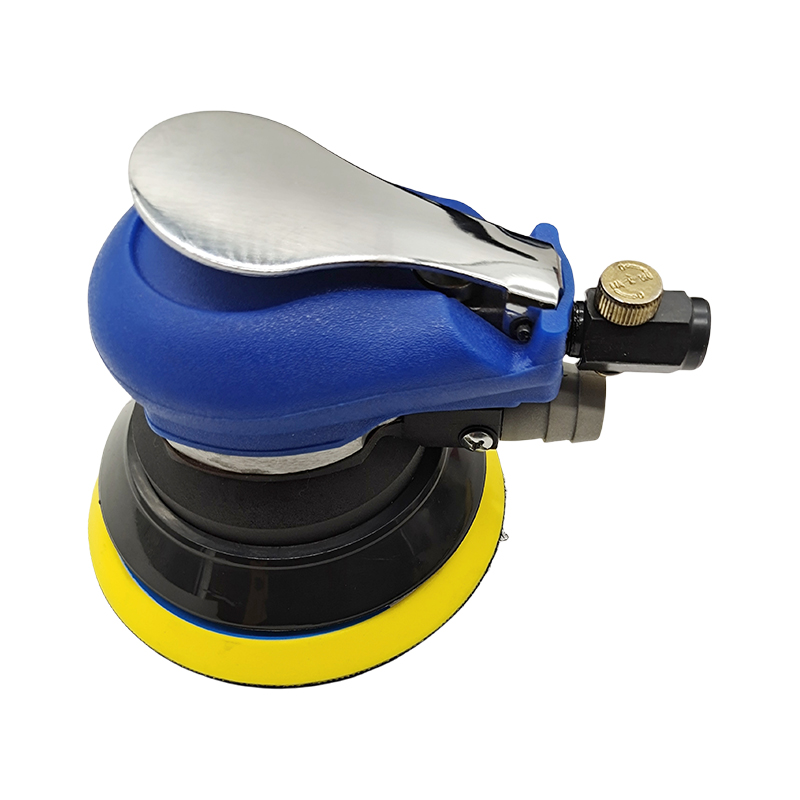
6" Pads And Sandpaper Air Random Orbital Polisher For Metal
read more -
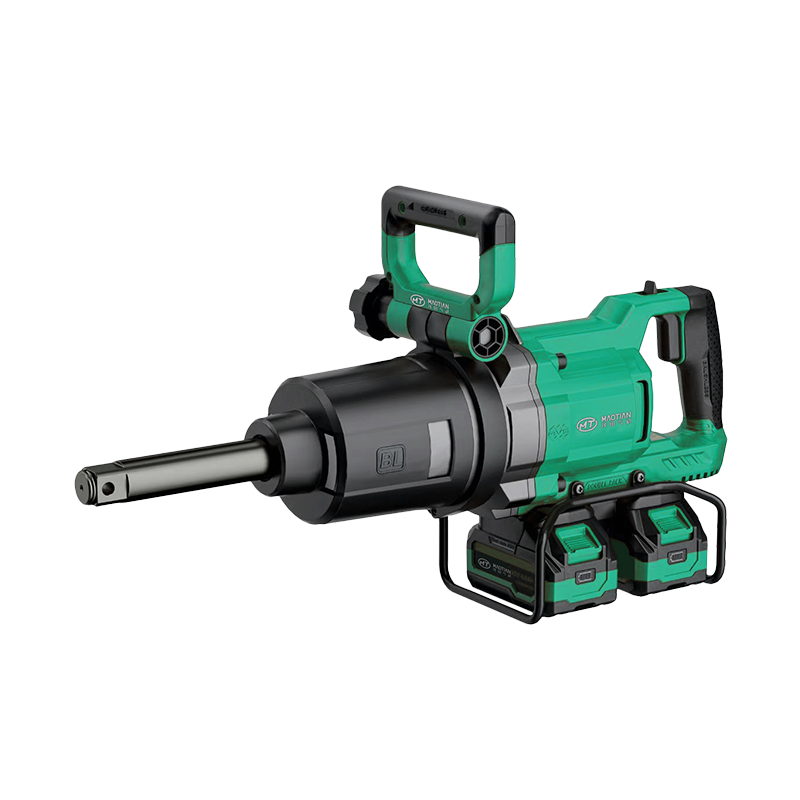
Ultra Duty 40V Strong Power Brushless 1" Li-ion Impact Wrench
read more -
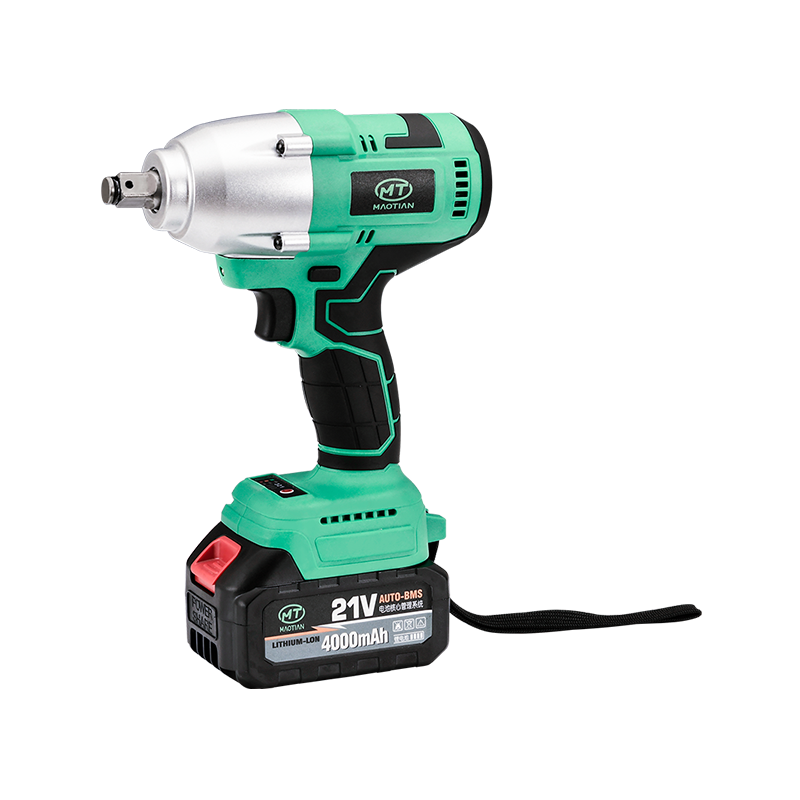
1/2" 20V Brushless Lightweight Li-ion Impact Wrench
read more -
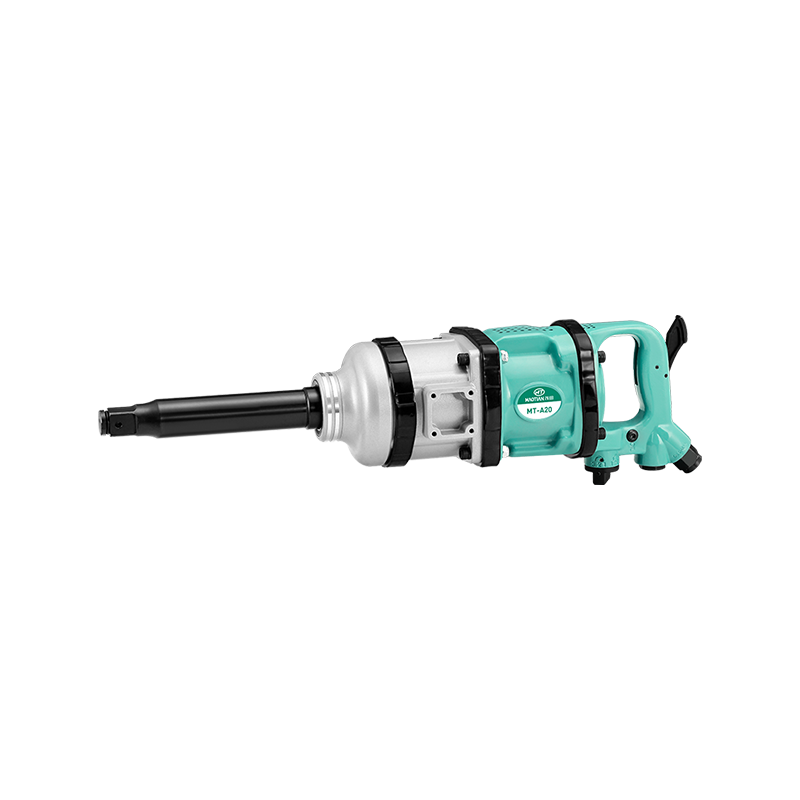
1" Heavy Duty Pinless Clutch Air Impact Wrench
read more -
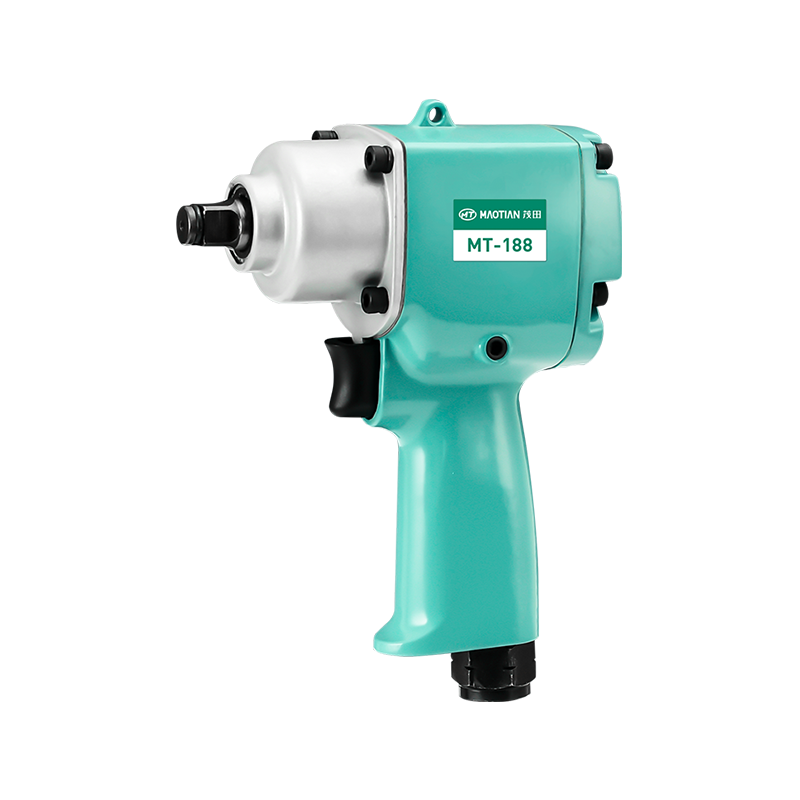
3/8 Inch Stubby Mini Air Impact Gun
read more
Contact
-
Official Address
Building 4, No. 1169, Jiutang South Road, Sanjia Street, Taizhou Bay New District, Taizhou City, Zhejiang , China.
-
Email Us
zoe@maotian-airtool.com
-
Call Us
+86 18815202028 (Zoe Sales Manager )
+86-576-82737789


Copyright © Taizhou Maotian Pneumatic Tools Co., Ltd.
Industrial Pneumatic Tools Factory


