

 中文简体
 Español
 عربى

Can Air Die Grinders Handle Precision Metalwork?

Air die grinders are versatile tools used in metalworking, automotive repair, and fabrication industries. Among the different types, the Straight Air Die Grinder is particularly favored for its maneuverability and control. These tools are often evaluated for their ability to perform precision tasks, such as grinding, polishing, and shaping metal components.
Understanding the Tool's Design
A Straight Air Die Grinder is a pneumatic tool powered by compressed air. Its straight design provides a natural hand position, which is beneficial for maintaining control during extended use. Unlike angled or rotary grinders, the straight form allows users to access tight spaces and work on intricate areas with minimal fatigue. High-quality grinders feature balanced rotors and smooth operation, which are essential for precision tasks that require steady hands and consistent performance.
Suitable Materials and Applications
These grinders can work on a variety of metals, including steel, aluminum, brass, and copper. When paired with the appropriate accessories, such as grinding stones, burrs, or sanding drums, a Straight Air Die Grinder can remove material accurately without damaging surrounding surfaces. They are often used for deburring edges, refining welds, engraving, or preparing surfaces for finishing. The ability to switch attachments makes these tools adaptable to different metalworking requirements, enhancing their suitability for precision applications.
Speed Control and Precision
Precision metalwork requires controlled speeds and smooth operation. Many Straight Air Die Grinders offer adjustable air regulators or built-in throttle mechanisms that allow users to manage rotational speed effectively. Slower speeds are ideal for delicate grinding or finishing, while higher speeds can handle tougher material removal tasks. Consistent rotation and minimal vibration are critical for maintaining accuracy, especially when working on small components or detailed designs.
Ergonomics and Operator Control
Operator comfort and control play a significant role in precision metalwork. The straight form of a Straight Air Die Grinder provides a comfortable grip, reducing hand fatigue and allowing for fine movements. Lightweight models further enhance maneuverability, making it easier to perform detailed work over extended periods. Some manufacturers also offer grinders with textured or anti-slip surfaces for added stability, which contributes to the quality of precise metal shaping or finishing.
Limitations to Consider
While Straight Air Die Grinders are suitable for many precision tasks, their effectiveness depends on the operator's skill and the quality of the tool. Improper technique or the use of worn accessories can compromise accuracy. Additionally, these tools rely on a stable air supply; inconsistent pressure can cause uneven performance. Selecting a well-constructed grinder from a reputable manufacturer and maintaining it properly are essential to achieving consistent results in precision metalwork.
A Straight Air Die Grinder can indeed handle precision metalwork when used correctly and equipped with suitable attachments. Its straight design, adjustable speed, and ergonomic features make it ideal for tasks such as deburring, engraving, and detailed finishing on various metals. While operator skill and maintenance are important factors, these grinders offer the versatility and control needed for detailed metalworking applications. Choosing a high-quality Straight Air Die Grinder ensures reliable performance and helps maintain the accuracy required for professional-level precision tasks.
Product Recommendations
-
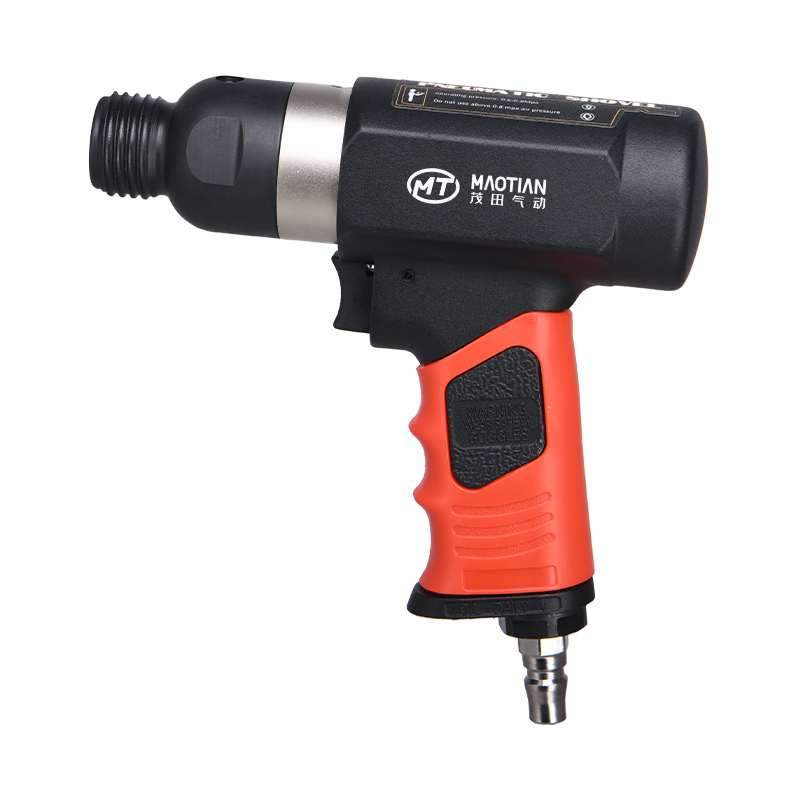
Heavy Duty Medium Barrel Air Hammer
read more -
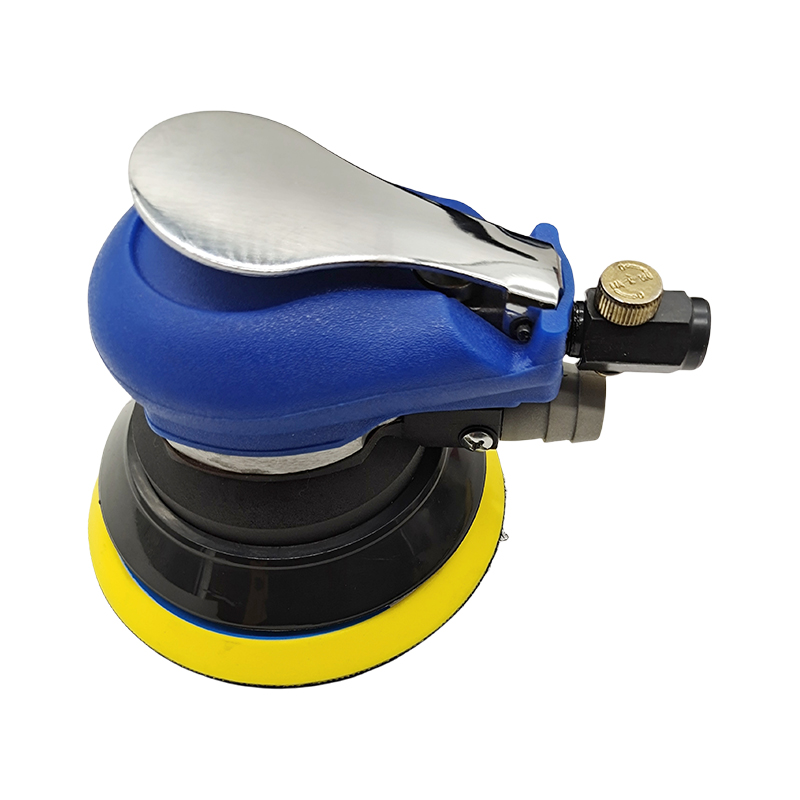
6" Pads And Sandpaper Air Random Orbital Polisher For Metal
read more -
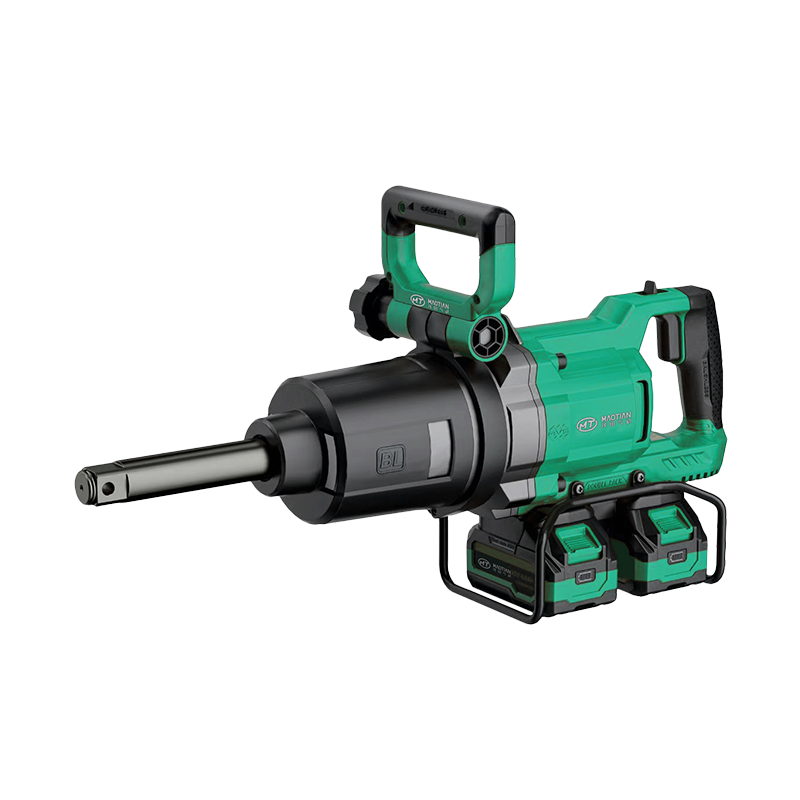
Ultra Duty 40V Strong Power Brushless 1" Li-ion Impact Wrench
read more -
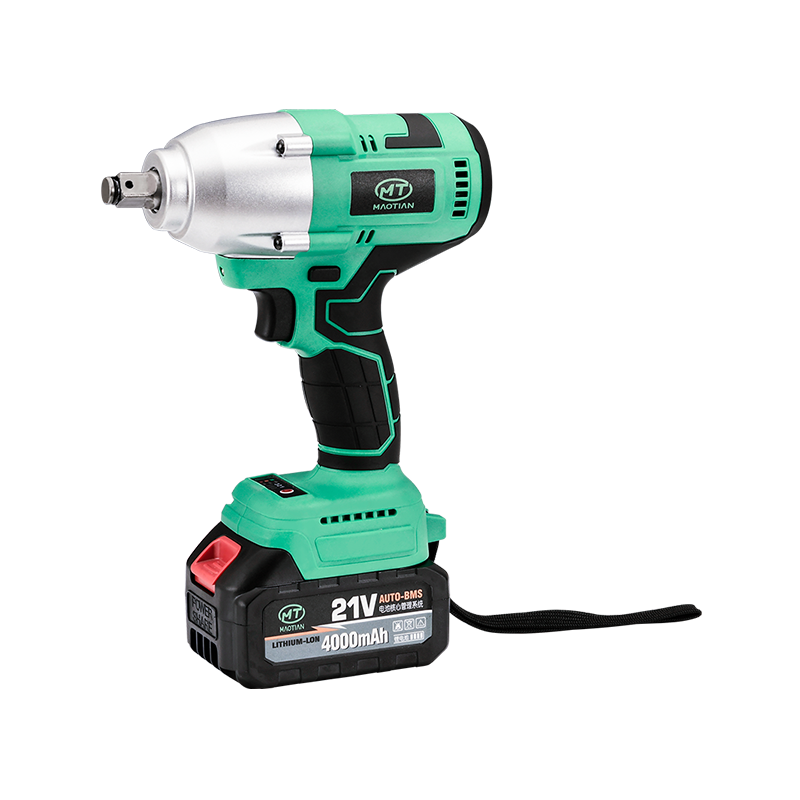
1/2" 20V Brushless Lightweight Li-ion Impact Wrench
read more -
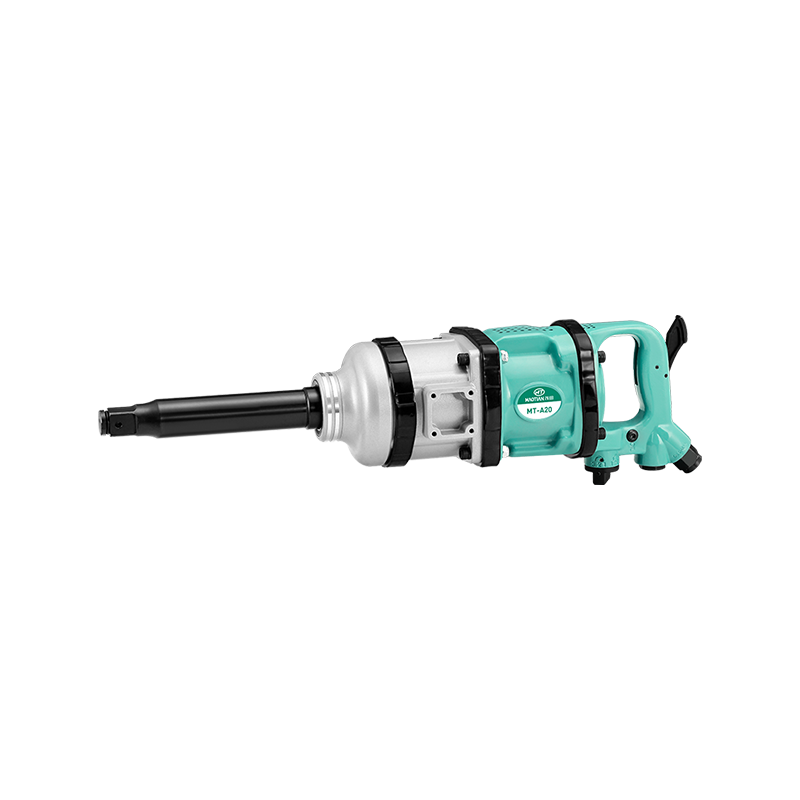
1" Heavy Duty Pinless Clutch Air Impact Wrench
read more -
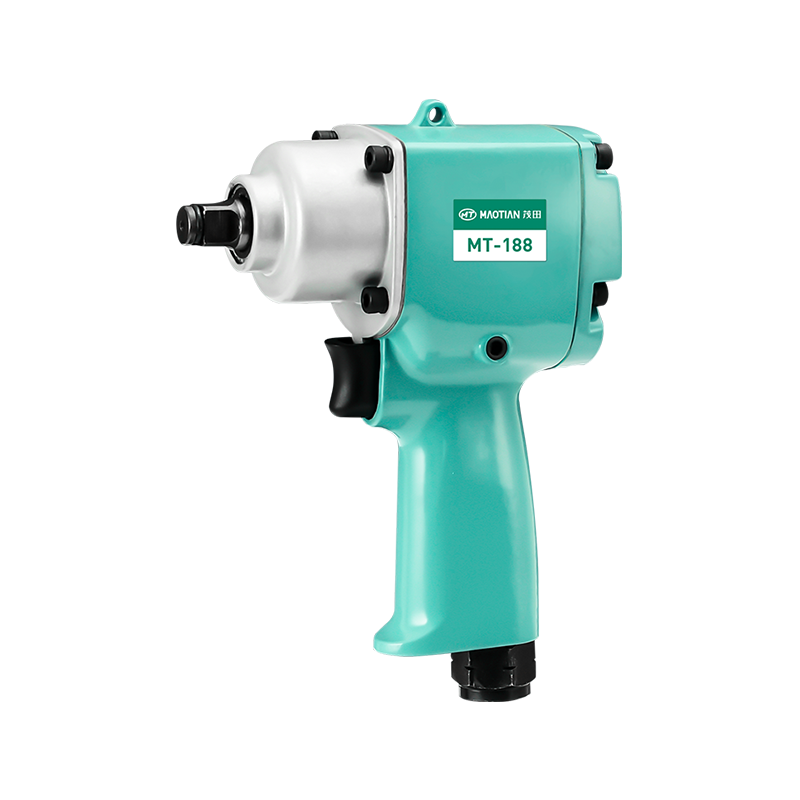
3/8 Inch Stubby Mini Air Impact Gun
read more
Contact
-
Official Address
Building 4, No. 1169, Jiutang South Road, Sanjia Street, Taizhou Bay New District, Taizhou City, Zhejiang , China.
-
Email Us
zoe@maotian-airtool.com
-
Call Us
+86 18815202028 (Zoe Sales Manager )
+86-576-82737789


Copyright © Taizhou Maotian Pneumatic Tools Co., Ltd.
Industrial Pneumatic Tools Factory


