

 中文简体
 Español
 عربى

Are Cordless Alternatives Catching Up to Traditional Air Ratchets?

In the world of automotive repair and mechanical maintenance, the air ratchet has long been a trusted tool. Known for its lightweight design and consistent power, it has remained a staple in professional garages and workshops for decades. However, as battery technology improves and cordless tool options expand, many professionals and DIY enthusiasts are starting to ask a valid question: Are cordless alternatives catching up to traditional air ratchets?
The air ratchet, powered by compressed air, is widely known for its reliability in environments where air supply is constant. It delivers smooth and steady torque and is typically lighter than many cordless models. The lack of a battery makes it easier to maneuver in tight spaces, and it can operate continuously without the need for recharging.
For mechanics working in shops equipped with air compressors, the air ratchet offers a balance of efficiency and simplicity. The tools are usually more affordable, and maintenance tends to be minimal, limited to basic lubrication and occasional parts replacement.
However, the reliance on an air hose can be limiting. The hose may restrict movement, especially in confined areas, and may pose a tripping hazard on busy workshop floors. Also, the need for a compressor makes it less convenient for mobile repair technicians or users working in remote locations.
Cordless ratchets, powered by lithium-ion batteries, have seen significant improvements in recent years. Modern battery systems offer longer run times, faster charging, and more compact designs than previous generations. As a result, cordless tools are becoming a practical choice even for jobs that require extended use.
One of the key advantages of a cordless ratchet is mobility. Without the need for a compressor or air hose, users can move freely, making it easier to access tight engine compartments or work in areas without fixed power sources. For mobile mechanics, hobbyists, or field technicians, this flexibility is especially valuable.
Another benefit is reduced setup time. Unlike air ratchets, which require connection to a pressurized system, cordless options are ready to use as soon as they are powered on. This saves time on smaller tasks or when working in multiple locations.
When it comes to raw torque and continuous operation, traditional air ratchets still hold an advantage in many cases. They can handle heavier-duty applications without the risk of battery depletion. That said, cordless models have narrowed the gap significantly, with some high-capacity battery systems now delivering comparable torque outputs.
Noise level is another area of comparison. Air-powered tools tend to generate more noise due to both the tool and the compressor. In contrast, cordless tools operate more quietly, which can reduce fatigue during long work sessions and help meet noise regulations in certain settings.
Battery management remains a consideration with cordless tools. Users need to monitor charge levels and carry spare batteries for long jobs. While this is generally manageable, it introduces an extra layer of planning that air ratchet users don’t face.
Choosing between a cordless ratchet and an air ratchet depends on the specific needs of the user. For shop environments with existing pneumatic infrastructure, air tools remain a practical and cost-effective solution. However, for professionals who value portability and quick access, cordless ratchets present a compelling alternative.
Cordless alternatives have made remarkable progress and are becoming a realistic choice for a wide range of applications. While they may not fully replace the traditional air ratchet in every scenario, they are certainly catching up in performance, convenience, and versatility. As technology continues to improve, users can expect even more innovation in cordless tools — making the decision between air and battery less about compromise, and more about preference and job fit.
Product Recommendations
-
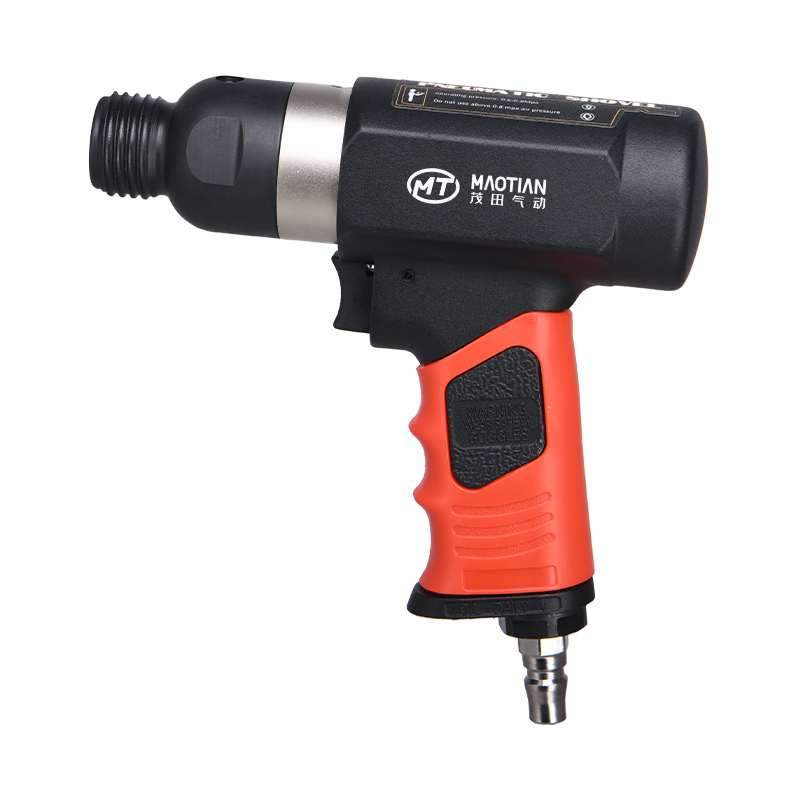
Heavy Duty Medium Barrel Air Hammer
read more -
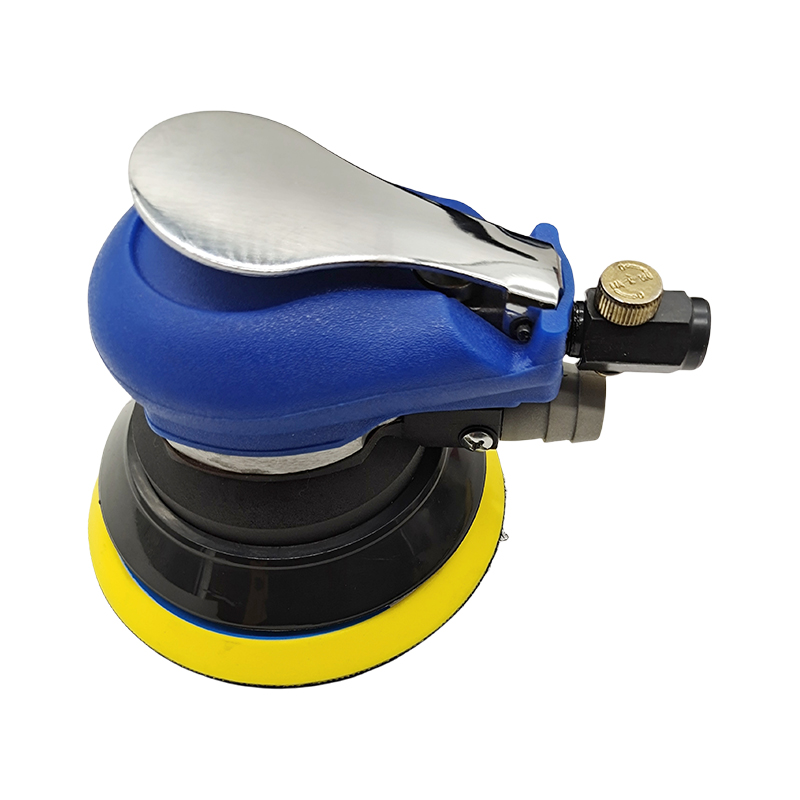
6" Pads And Sandpaper Air Random Orbital Polisher For Metal
read more -
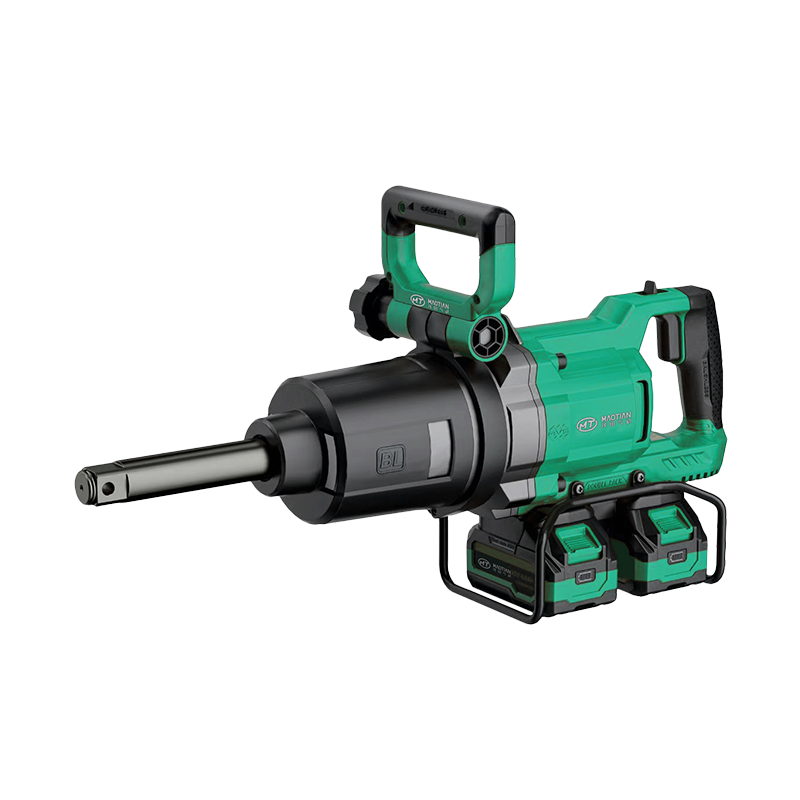
Ultra Duty 40V Strong Power Brushless 1" Li-ion Impact Wrench
read more -
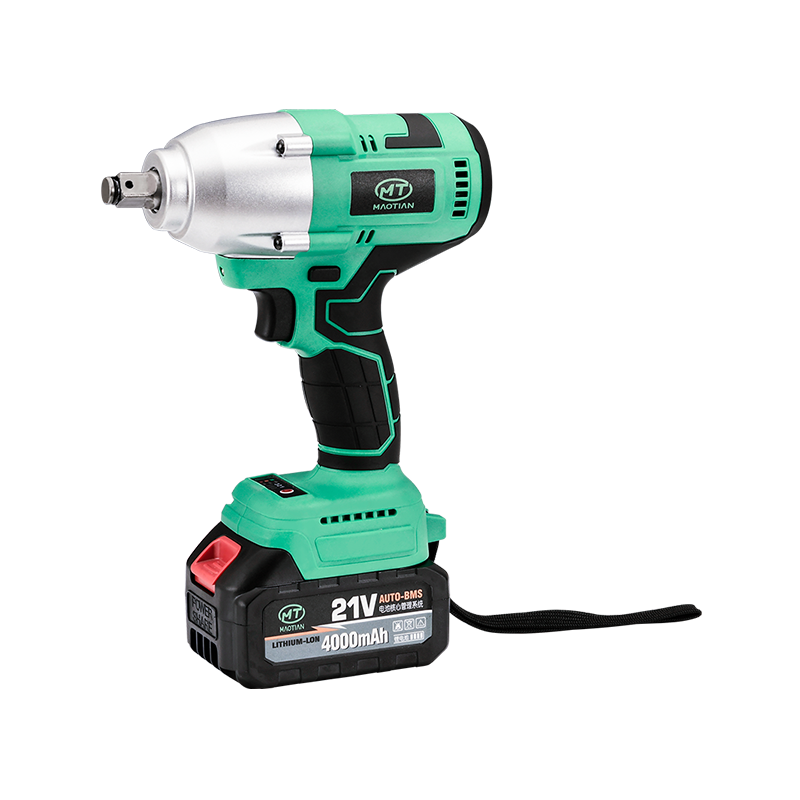
1/2" 20V Brushless Lightweight Li-ion Impact Wrench
read more -
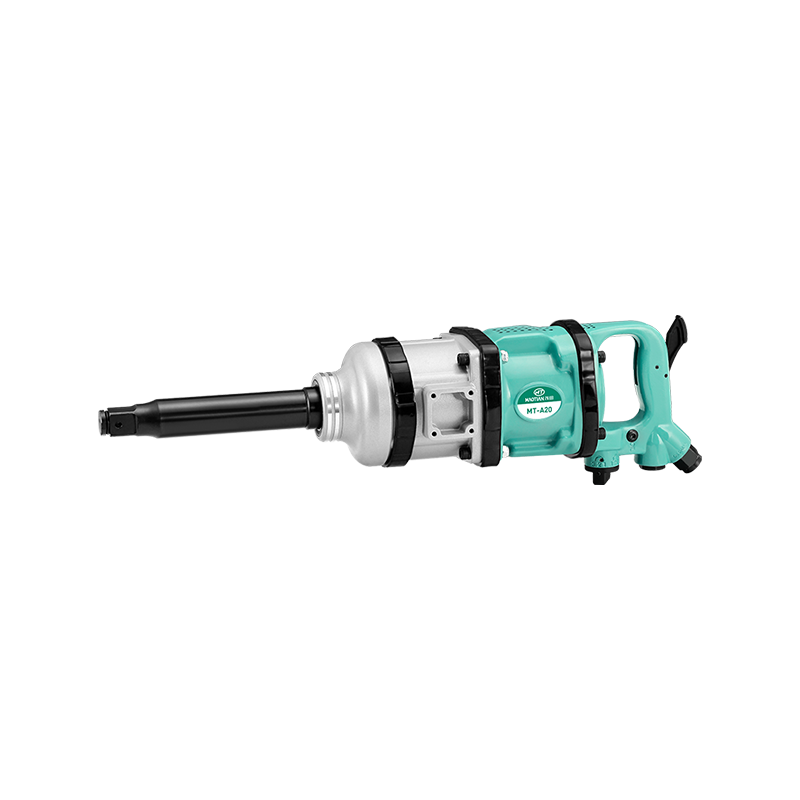
1" Heavy Duty Pinless Clutch Air Impact Wrench
read more -
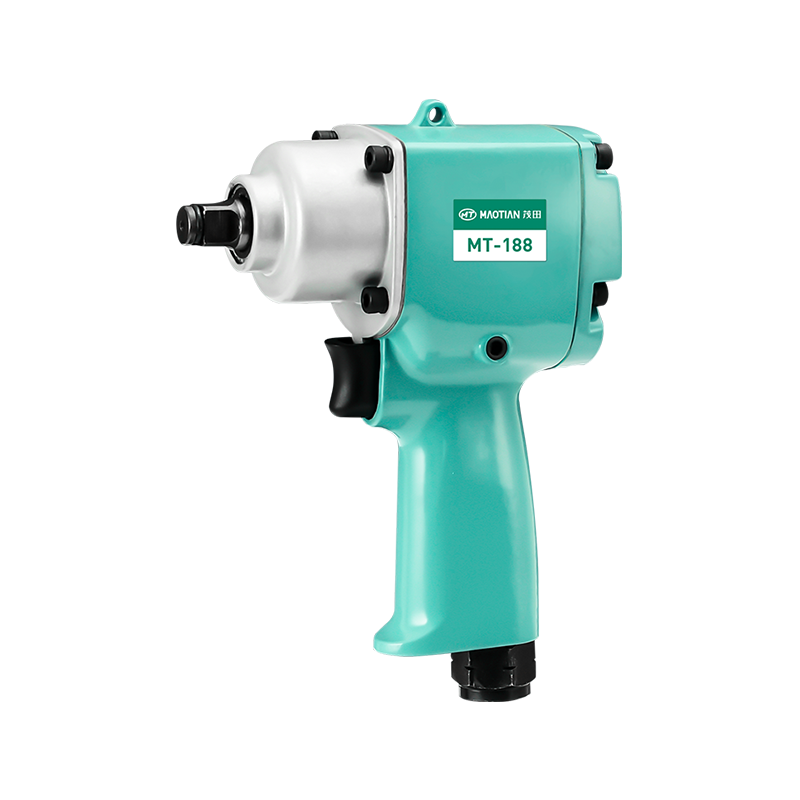
3/8 Inch Stubby Mini Air Impact Gun
read more
Contact
-
Official Address
Building 4, No. 1169, Jiutang South Road, Sanjia Street, Taizhou Bay New District, Taizhou City, Zhejiang , China.
-
Email Us
zoe@maotian-airtool.com
-
Call Us
+86 18815202028 (Zoe Sales Manager )
+86-576-82737789


Copyright © Taizhou Maotian Pneumatic Tools Co., Ltd.
Industrial Pneumatic Tools Factory


