

 中文简体
 Español
 عربى

Air Straight Die Grinder vs Angle Die Grinder: Which Fits Your Workshop
If you have ever stood in front of a tool wall trying to decide between a straight die grinder and an angle die grinder, you are not alone. Both tools look similar at first glance, both run on compressed air, and both are built to grind, polish, deburr, or shape metal and other materials. Yet the small difference in body shape changes how each tool behaves in your hand, and that difference matters more than most buyers expect.
What a Straight Air Die Grinder Actually Does Differently
A straight air die grinder keeps the motor, the body, and the spindle lined up in a single axis. There is no bend, no offset head, just a continuous straight shape from the air inlet to the collet. That simple layout turns out to be the whole story behind why this tool behaves the way it does.
Handling and Control
Because the shape is linear, the grinder sits naturally along the line of your arm. Operators often describe it as feeling like an extension of their hand rather than a separate object they are maneuvering. This makes it easier to apply steady, even pressure, especially during tasks that call for a controlled, light touch rather than brute force.
Where It Gets Used
The straight body shape is particularly useful when reaching into narrow spaces, such as:
- Inside pipes, tubes, or hollow castings
- Mold cavities and die cutouts
- Narrow slots on machine components
- Deep internal grinding or finishing work
Industries that deal with tight tolerances, like mold making, aerospace components, and precision metal fabrication, often rely on straight grinders for this reason. The in-line design lets the tool travel deeper into a part without the body of the grinder bumping into surrounding material.

What an Angle Die Grinder Brings to the Table
An angle die grinder, sometimes called a right angle grinder, has a head that sits at an angle to the body, usually somewhere between 90 and 105 degrees depending on the model. That bend changes the center of gravity and the direction the grinding wheel or burr points relative to your wrist.
Handling and Control
The angled head lets the operator work on a surface that sits in front of or below them without twisting the wrist into an uncomfortable position. Many users find this layout more natural when working on flat or curved outer surfaces, especially for extended sessions, because the hand stays in a more relaxed grip angle.
Where It Gets Used
Angle grinders are a common choice for jobs such as:
- Deburring edges on flat plates or weld seams
- Grinding welds on the outside of frames or brackets
- Cleaning up castings on open, accessible surfaces
- Working in corners or against walls where a straight tool would stick out awkwardly
This style tends to show up often in automotive bodywork, general fabrication, and maintenance tasks where the work surface is open rather than tucked inside a cavity.
Side by Side: Straight vs Angle
| Feature | Straight Air Die Grinder | Angle Air Die Grinder |
|---|---|---|
| Body shape | Inline, continuous | Bent head, offset from body |
| Best for | Deep, narrow, internal access | Flat, open, or edge surfaces |
| Wrist position | Natural extension of arm | Relaxed angle for surface work |
| Typical tasks | Mold work, tube interiors, detail shaping | Weld cleanup, deburring, surface grinding |
| Common industries | Aerospace, mold and die, precision parts | Automotive, metal fabrication, maintenance |
Neither style replaces the other across the board. They are built around different hand positions and different access needs, so the comparison is less about one being better and more about which situation each one was shaped for.
How to Decide Which One Fits Your Shop
Picking between the two often comes down to the kind of jobs that make up most of your daily workload, not just the one project in front of you today.
You are probably better served by a straight grinder if
- Much of your work happens inside enclosed parts, tubes, or deep recesses
- You need to reach narrow channels that an angled head would not fit into
- Your tasks involve detailed shaping or polishing rather than heavy material removal
- Precision control matters more than reach around corners
You are probably better served by an angle grinder if
- Your work mostly involves open, flat, or outward-facing surfaces
- You spend time cleaning up welds, edges, or seams on the outside of a part
- You need to work in corners or tight spots where the tool body needs to sit sideways to the surface
- Comfort during longer sessions on exterior surfaces is a priority
Can a Workshop Use Both?
In practice, many shops that handle a mix of fabrication, maintenance, and finishing tasks keep both styles on hand. They are not competing purchases so much as complementary ones, each covering a gap the other cannot fill well. A mold shop might reach for the straight grinder nine times out of ten but still keep an angle grinder nearby for the occasional outer edge cleanup. A general metal fabrication shop might lean the opposite way.
Practical Points to Weigh Before Buying
Beyond the straight versus angle question, a few other factors shape how satisfied you will be with either tool over time:
- Weight and balance – A grinder that feels heavy after a few minutes will slow down any job, regardless of shape.
- Collet or chuck size compatibility – Make sure the accessories you already own, or plan to buy, match the tool's fitting.
- Air consumption and your compressor setup – Pneumatic tools depend on a steady air supply, so matching the tool to your existing compressor capacity avoids performance drops.
- Grip material and vibration damping – Extended use without proper grip comfort can lead to hand fatigue over a full shift.
- Build material – Aluminum housings tend to reduce overall weight, while other housing materials may offer different durability trade-offs depending on daily use intensity.
- Maintenance access – Tools that are easier to service, lubricate, and inspect tend to stay reliable longer across repeated use.
None of these factors replace the core straight-versus-angle decision, but they do influence how comfortable the tool feels once it becomes a daily part of your routine.
A Quick Recap Before You Choose
Choosing between a straight air die grinder and an angle die grinder is really a question about where you work and what you work on. Straight grinders earn their place in jobs that demand reach into narrow or internal spaces, where precision and a steady inline grip matter. Angle grinders earn their place on open surfaces, edges, and corners, where a bent head keeps the wrist comfortable and the tool angled correctly against the work.
Rather than treating this as a competition between two tools, it helps to think of them as two answers to two different questions. If your shop handles mold work, tube interiors, or detailed internal shaping, the straight grinder will likely see more use. If your work centers on welds, edges, and flat exterior surfaces, the angle grinder is probably the one that stays closest to your workbench. Many shops end up with both, using each one for the tasks it naturally fits, which in the long run tends to be the most practical approach of all.
Product Recommendations
-
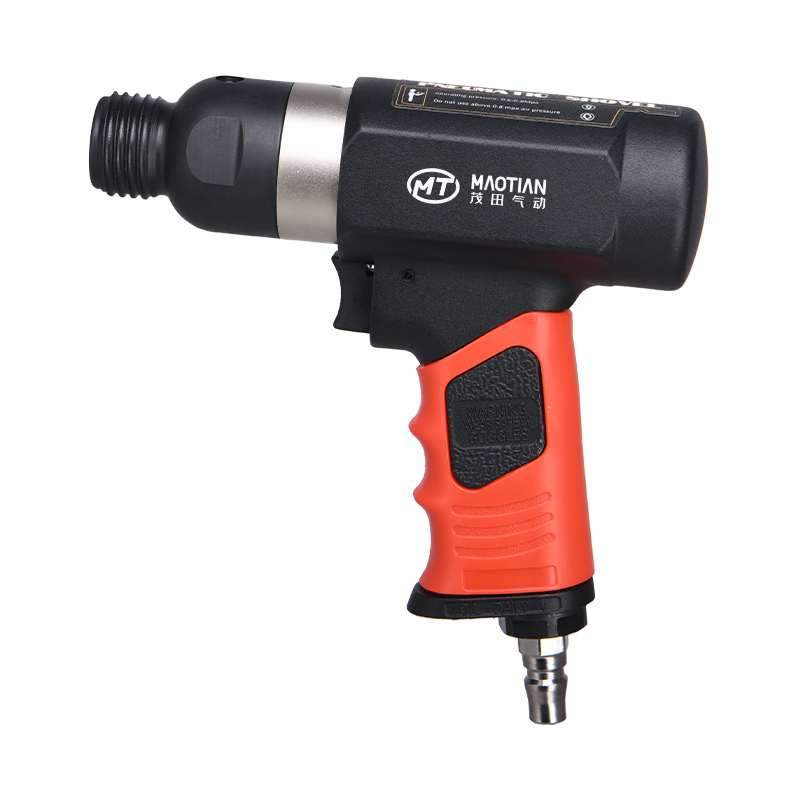
Heavy Duty Medium Barrel Air Hammer
read more -
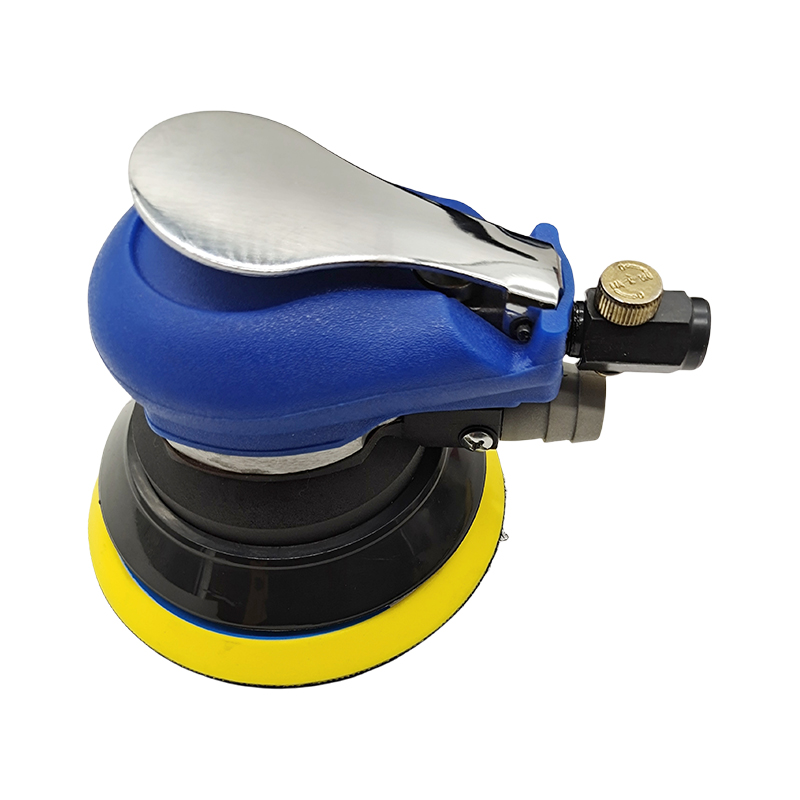
6" Pads And Sandpaper Air Random Orbital Polisher For Metal
read more -
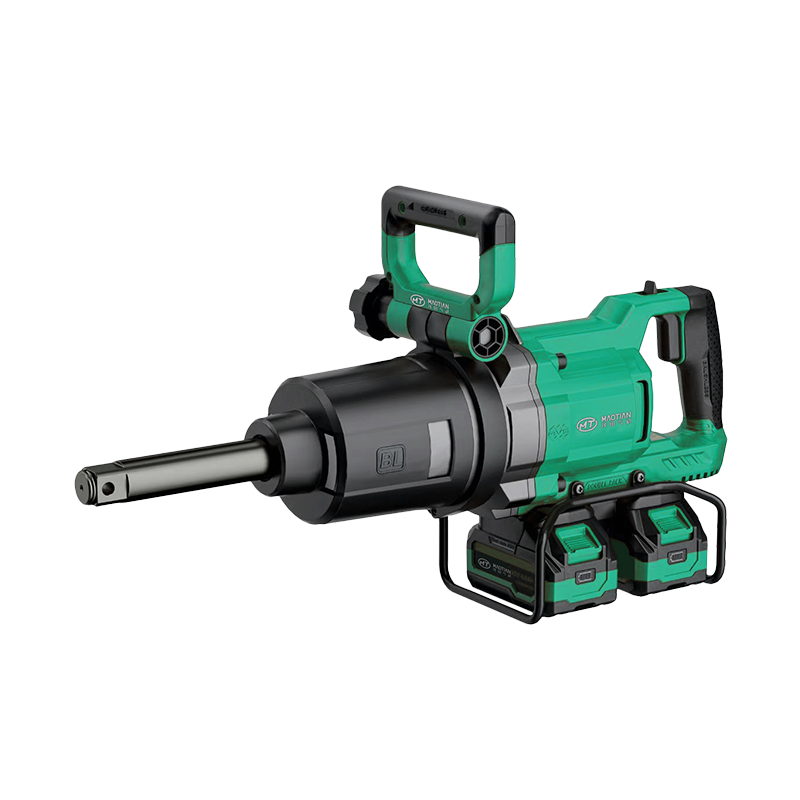
Ultra Duty 40V Strong Power Brushless 1" Li-ion Impact Wrench
read more -
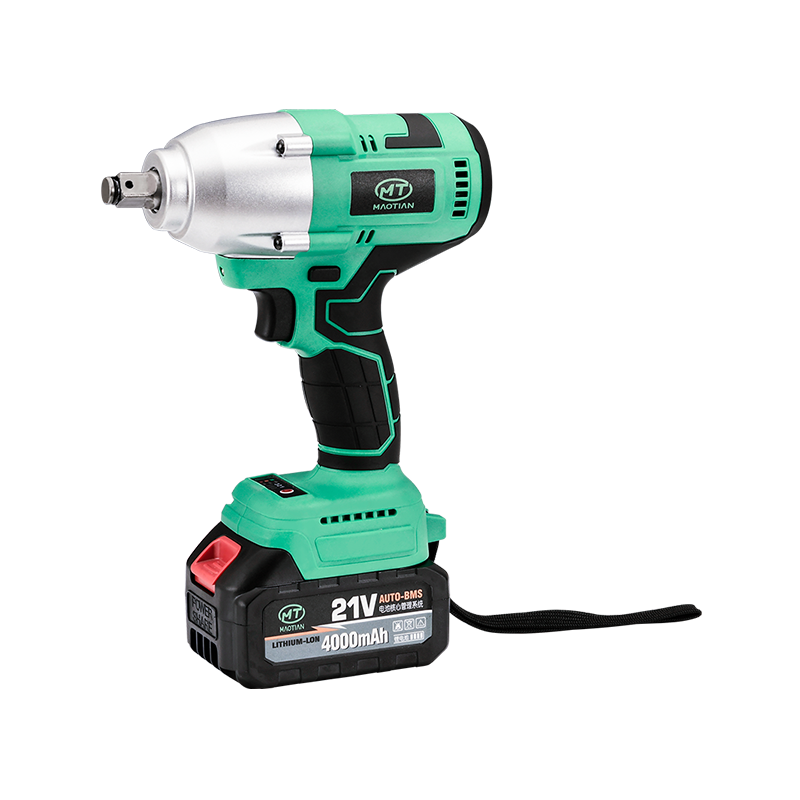
1/2" 20V Brushless Lightweight Li-ion Impact Wrench
read more -
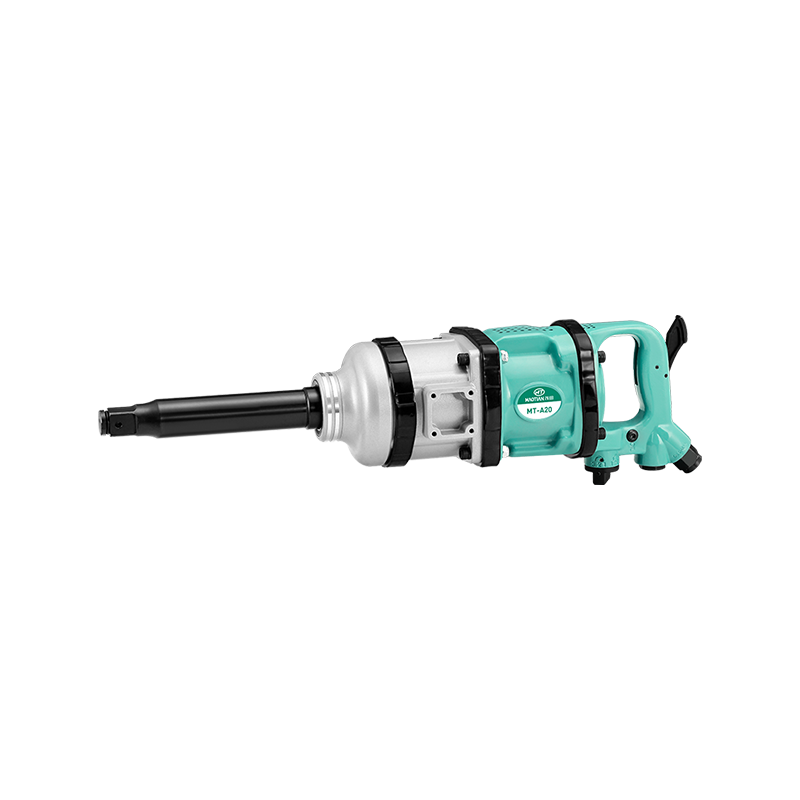
1" Heavy Duty Pinless Clutch Air Impact Wrench
read more -
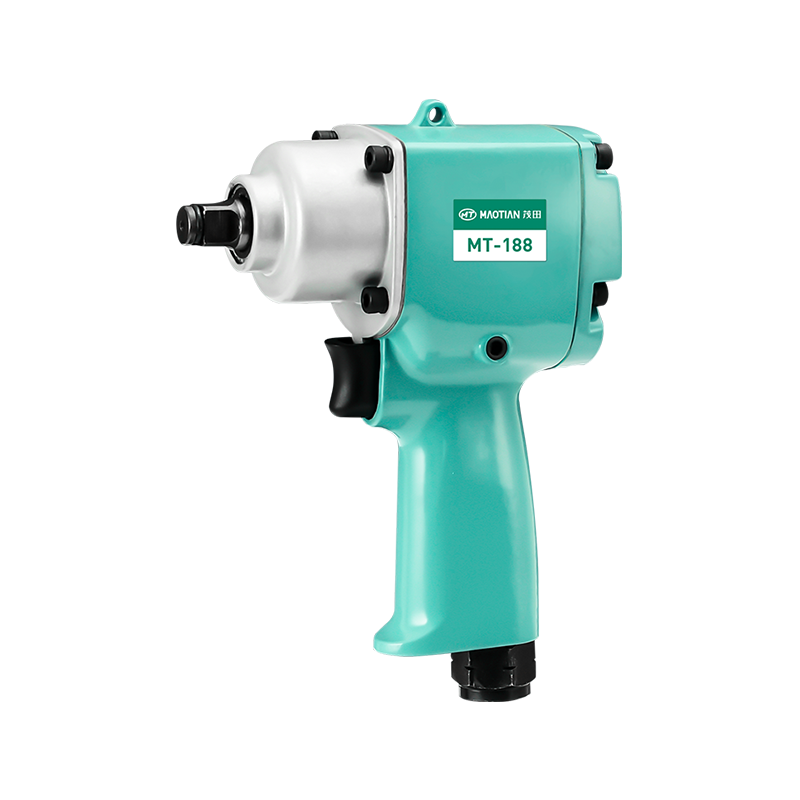
3/8 Inch Stubby Mini Air Impact Gun
read more
Contact
-
Official Address
Building 4, No. 1169, Jiutang South Road, Sanjia Street, Taizhou Bay New District, Taizhou City, Zhejiang , China.
-
Email Us
zoe@maotian-airtool.com
-
Call Us
+86 18815202028 (Zoe Sales Manager )
+86-576-82737789


Copyright © Taizhou Maotian Pneumatic Tools Co., Ltd.
Industrial Pneumatic Tools Factory


