

 中文简体
 Español
 عربى

1 Inch vs 3/4 Inch Air Impact Wrench: Which One Fits Your Job
Standing in front of two impact wrenches that look almost identical except for the drive size can be a strange kind of decision paralysis. Both promise plenty of power. Both claim to handle heavy fasteners. Yet somehow, one of them turns out to be the right call for a specific shop, and the other ends up sitting on a shelf, rarely touched.
The difference between a 1 inch drive and a 3/4 inch drive is not just about socket size. It touches torque delivery, daily comfort, air supply demands, and how the tool fits into a real workday rather than a showroom demo. This comparison walks through the practical side of that decision, without relying on spec sheets alone.
What the Drive Size Actually Changes
The drive size refers to the square fitting that connects the wrench to its socket. It sounds like a minor detail, but it shapes almost everything else about how the tool behaves.
A larger drive size generally allows the internal mechanism to handle stronger rotational force without wearing down as quickly. Smaller drive sizes are built for a different balance, often favoring maneuverability and a lighter overall feel over raw strength.
Why This Matters Beyond the Socket Itself
Choosing a drive size only based on what sockets a shop already owns is a common shortcut, but it can backfire. A 3/4 inch tool paired with a 1 inch socket through an adapter, for instance, might work for occasional light use, but repeated heavy load through an adapter tends to wear parts faster than a properly matched setup.
The safer approach is to think about drive size as tied to the class of fastener being worked on, not just the sockets already sitting in a toolbox.
Matching Drive Size to the Job at Hand
This is where the real decision usually gets made. Torque range on paper matters less than whether the tool can comfortably and reliably handle the fasteners a shop deals with every single day.
Situations Where a 1 Inch Drive Tends to Make Sense
- Commercial truck and trailer wheel service, where lug nuts are torqued to higher specifications
- Heavy agricultural equipment, including large tractors and combine harvesters
- Industrial machinery maintenance involving oversized structural bolts
- Fleet maintenance operations handling multiple heavy vehicles in a single shift
Situations Where a 3/4 Inch Drive Often Covers the Work
- General automotive repair on passenger vehicles and light trucks
- Suspension and chassis work where fasteners are moderate in size
- Mixed use shops that handle a variety of vehicle types without extreme fastener sizes
- Mobile repair setups where reducing overall tool weight is a priority
Neither list is absolute. Plenty of shops end up owning both drive sizes and reaching for whichever one matches the job on a given day, rather than committing to a single tool for everything.
A Side by Side Look at Practical Differences
Numbers on a spec sheet rarely capture how a tool actually feels during a ten hour shift.
| Factor | 1 Inch Drive | 3/4 Inch Drive |
|---|---|---|
| Typical fastener range | Larger structural and wheel fasteners | Moderate sized automotive fasteners |
| Overall tool weight | Heavier, built for sustained heavy load | Lighter, easier for extended handheld use |
| Maneuverability | Better suited to open, accessible areas | Easier in tight or awkward spaces |
| Air supply demand | Requires a stronger, sustained air feed | Generally less demanding on the compressor |
| Common shop type | Truck, fleet, agricultural, industrial | General automotive, mixed repair shops |
The Weight Factor Nobody Notices Until Hour Six
A 1 inch drive tool almost always carries more mass than its 3/4 inch counterpart, simply because the internal components need to be built sturdier to handle stronger torque without breaking down early.
That extra weight is barely noticeable during a quick test in a store. It becomes very noticeable after several hours of holding the tool overhead, at an angle, or in a repetitive motion during tire rotations.
Why Comfort Should Weigh as Much as Torque
A technician who spends most of the day on passenger vehicle work will likely feel the extra weight of a 1 inch tool as unnecessary strain, even if it technically has more torque available. On the other hand, someone working exclusively on heavy trucks may find a 3/4 inch tool frustratingly underpowered for the fasteners they deal with daily.
Air Supply Needs Differ More Than Buyers Expect
A 1 inch impact wrench generally asks more of an air compressor than a 3/4 inch model. This is not always obvious until the tool is already in use and underperforming.
Questions Worth Asking About Your Compressor Setup
- Can the compressor maintain steady airflow during extended continuous use, not just short bursts?
- Is the hose diameter wide enough to avoid restricting airflow before it reaches the tool?
- Are fittings and connectors sized appropriately for the drive size being used?
A shop upgrading from a 3/4 inch to a 1 inch tool without checking compressor capacity often ends up disappointed, not because the tool is flawed, but because the air supply cannot keep up with what the tool actually needs to perform properly.
A Common Misconception Worth Addressing
There is a persistent idea that bigger drive size automatically means a better tool, regardless of the job. In practice, oversized tools bought out of caution rather than actual need often become the tool that sits unused in a drawer, while a properly matched 3/4 inch drive handles the daily workload with far less strain on both the technician and the equipment.
Bigger is not inherently wrong, but it is not automatically right either. The decision should follow the work, not the assumption that more torque capacity solves every problem.
How to Make the Final Call for Your Shop
- What is the largest and most common fastener size handled on a typical day?
- How many hours per shift will the tool realistically be in continuous use?
- Does the current air compressor and hose setup support a 1 inch drive tool reliably?
- Would a lighter 3/4 inch tool reduce fatigue without sacrificing needed torque?
- Is there a realistic case for owning both drive sizes for different tasks?
Answering these honestly, based on actual daily work rather than occasional edge cases, usually points toward a clearer answer than any spec comparison could offer on its own.
Choosing between a 1 inch and a 3/4 inch air impact wrench is less about which tool sounds more powerful and more about which one matches the fasteners, air supply, and daily workload of a specific shop. A 1 inch drive tends to serve heavy truck, agricultural, and industrial applications well, while a 3/4 inch drive often fits general automotive and mixed repair work more comfortably.
Shops weighing this decision for heavy duty tire service or industrial bolting work can review the 1 Inch Heavy Duty Air Impact Wrench lineup from MAOTIAN, where different configurations are laid out for easier side by side comparison based on job type and daily demands.
Product Recommendations
-
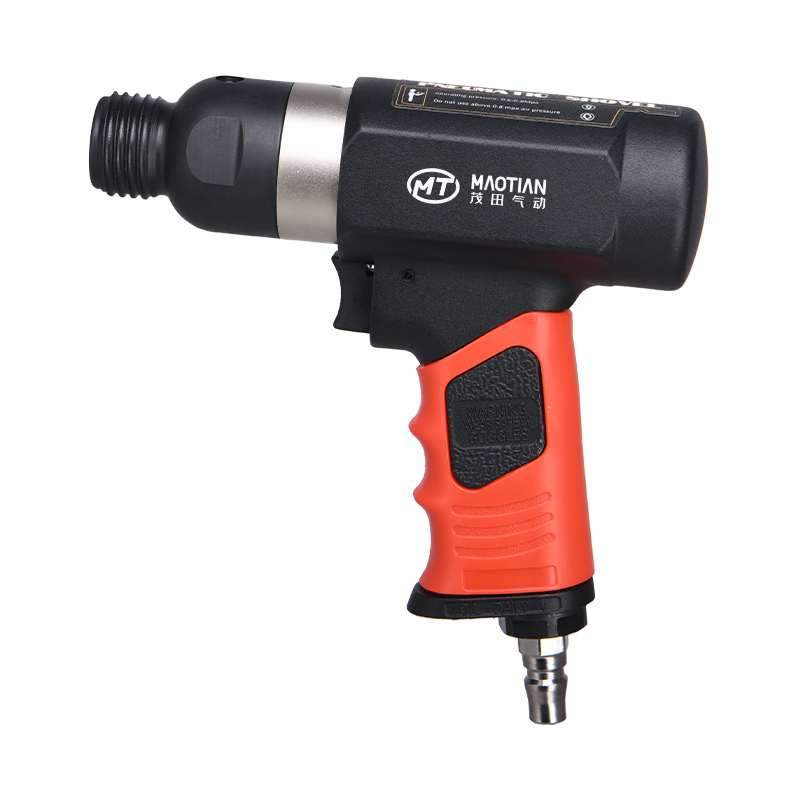
Heavy Duty Medium Barrel Air Hammer
read more -
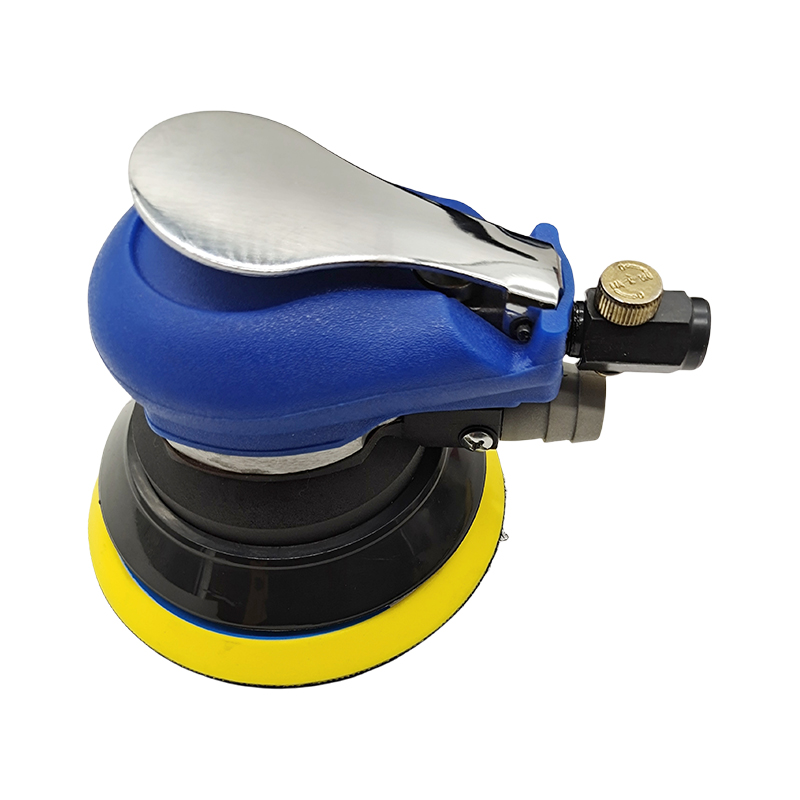
6" Pads And Sandpaper Air Random Orbital Polisher For Metal
read more -
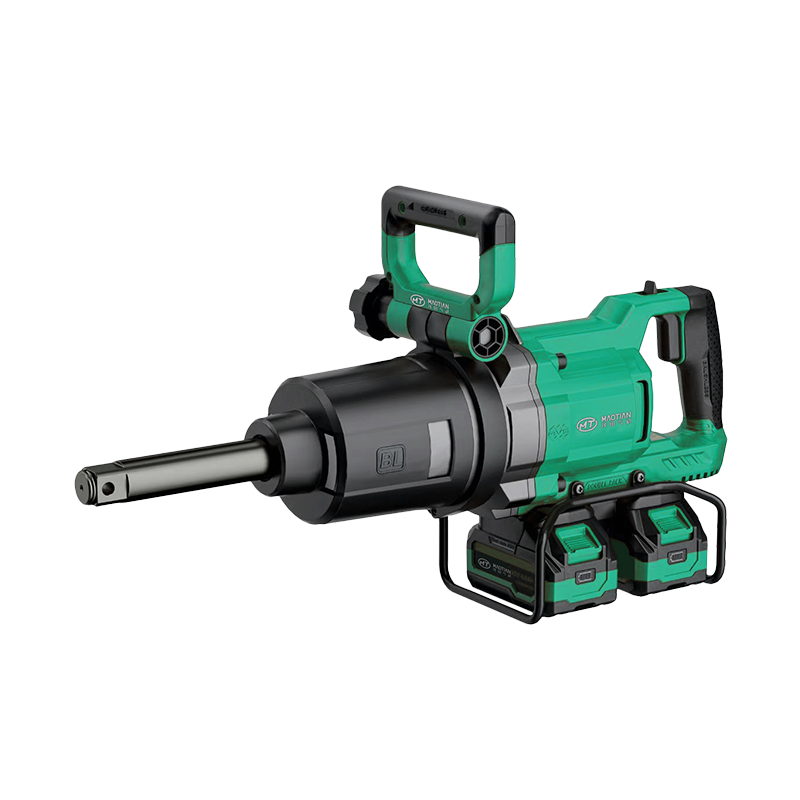
Ultra Duty 40V Strong Power Brushless 1" Li-ion Impact Wrench
read more -
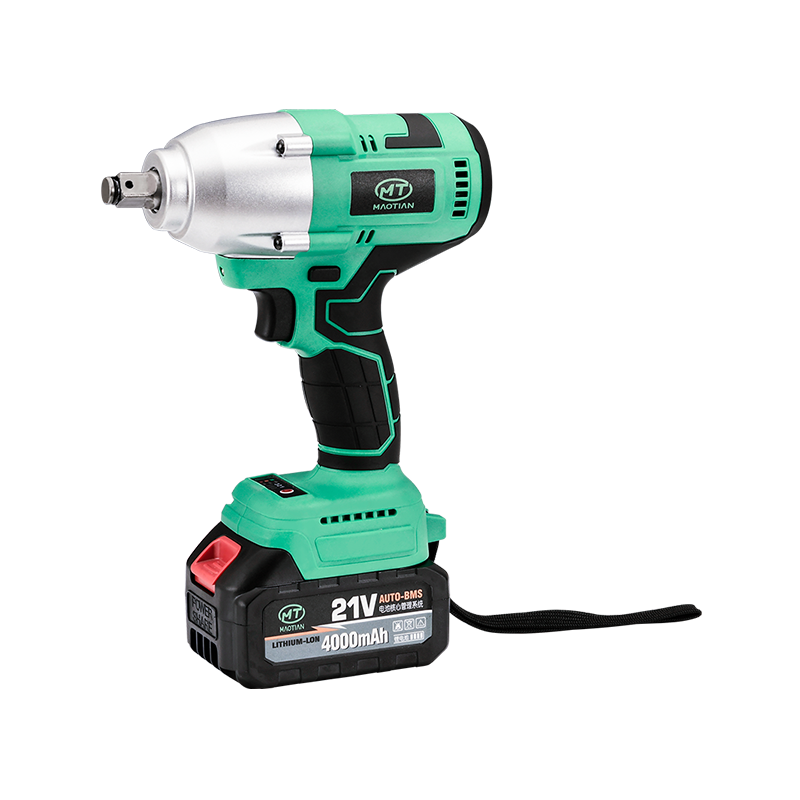
1/2" 20V Brushless Lightweight Li-ion Impact Wrench
read more -
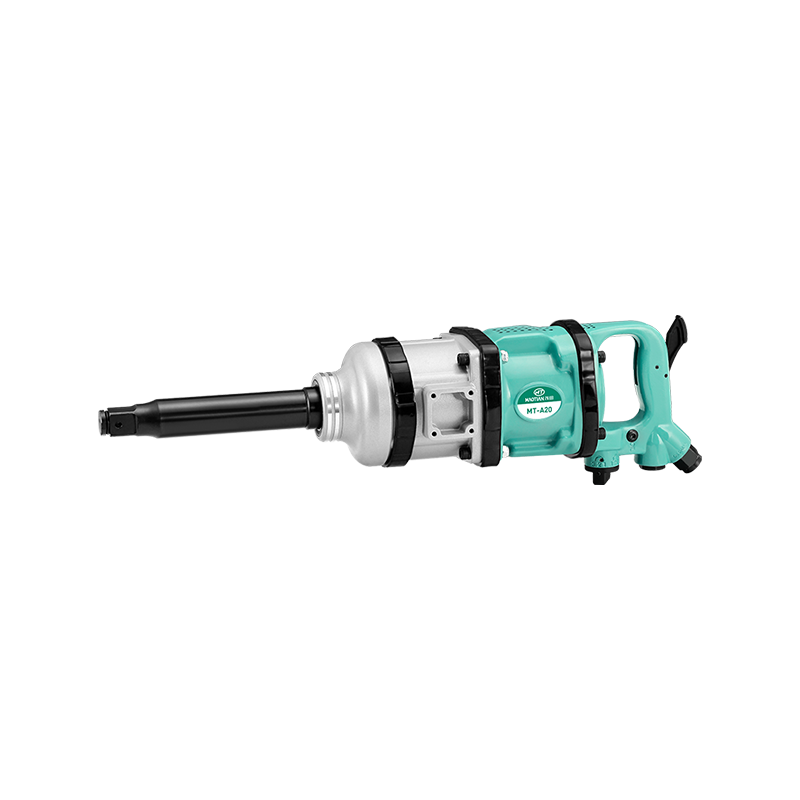
1" Heavy Duty Pinless Clutch Air Impact Wrench
read more -
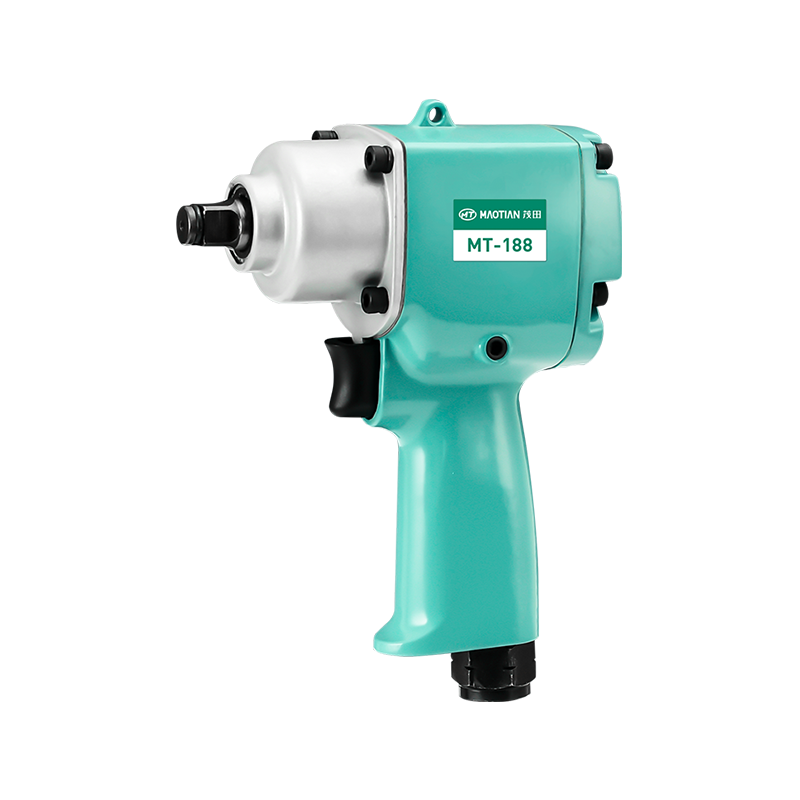
3/8 Inch Stubby Mini Air Impact Gun
read more
Contact
-
Official Address
Building 4, No. 1169, Jiutang South Road, Sanjia Street, Taizhou Bay New District, Taizhou City, Zhejiang , China.
-
Email Us
zoe@maotian-airtool.com
-
Call Us
+86 18815202028 (Zoe Sales Manager )
+86-576-82737789


Copyright © Taizhou Maotian Pneumatic Tools Co., Ltd.
Industrial Pneumatic Tools Factory


