

 中文简体
 Español
 عربى

What Is a Pneumatic Wrench?
A pneumatic wrench is a compressed-air-powered fastening tool engineered to deliver high, repeatable torque to threaded fasteners. Unlike purely manual ratchets, a pneumatic wrench converts the energy stored in compressed air into controlled rotational force, dramatically reducing operator effort while increasing consistency. In everyday industrial language, users often compare it to an impact pneumatic wrench or a pneumatic air impact wrench, both of which strike fasteners with percussive blows; these are part of the broader family of pneumatic impact tools designed for tough breakdown work.
How Do Pneumatic Torque Nutrunners Differ from Impact Tools?
In precision assembly, a pneumatic wrench configured as a torque nutrunner delivers smooth, continuous rotation through a high-ratio planetary gearbox. This steady drive sharply contrasts with the hammering action of an impact pneumatic wrench, which relies on intermittent striking to break loose or tighten stubborn bolts. Where torque traceability and repeatable clamp load matter—think production lines—nutrunner-style systems outperform a purely percussive pneumatic air impact wrench. For controlled fastening programs, many facilities standardize on these non-percussive members of the pneumatic impact tools category (broadly speaking, all air fastener tools).

Inside the Mechanism: Air Motor + Gear Multiplication
At the core of a high-quality pneumatic wrench is an air motor that spins at very high RPM. That speed is stepped down through a multi-stage planetary gear train, multiplying torque while reducing output speed to a usable range. Because there is no internal hammer anvil slamming repeatedly—as in an impact pneumatic wrench—vibration levels remain low, improving user comfort and long-term accuracy. Likewise, the absence of repeated impacts reduces mechanical shock loading compared to a pneumatic air impact wrench, extending service life. Clean, lubricated air helps all pneumatic impact tools run cooler and last longer.
When Should You Choose Impact Over Continuous Rotation?
The decision often comes down to task type. If you must remove corroded fasteners in the field, an impact pneumatic wrench or heavy-duty pneumatic air impact wrench can deliver the shock energy needed to crack seized threads. However, on the production floor—especially where operators follow torque specs—a controlled-output pneumatic wrench with shut-off clutch reduces rework and thread damage. Many shops carry both, pairing traceable nutrunners with rugged pneumatic impact tools for initial rundown or disassembly work.
Ergonomics, Noise, and Maintenance Considerations
Continuous-drive designs shine in ergonomics. A balanced pneumatic wrench produces less kickback and substantially lower noise than the pounding of an impact pneumatic wrench. That quieter, smoother feel also applies when operators switch from a traditional pneumatic air impact wrench to clutch-controlled nutrunners during long shifts. Preventive care is simple: filtered, lubricated air; periodic gearbox grease; and torque calibration at defined intervals. Good upkeep extends the service interval of all your shop's pneumatic impact tools and protects fastener integrity.
Where Are These Tools Used—and How Do You Match Them to the Job?
You'll find the impact pneumatic wrench on maintenance trucks, heavy equipment repair sites, and tire service stations where breakaway torque rules the day. The programmable pneumatic air impact wrench (in advanced hybrids) supports rugged assembly where some impact is acceptable. Meanwhile, the production-ready pneumatic wrench (nutrunner type) dominates automotive, aerospace subassembly, wind turbine erection, and structural fabrication lines that require documented torque. Smart procurement teams standardize tool families so sockets, air fittings, and accessories interchange across fleets of pneumatic impact tools, reducing inventory complexity and training time.
Final Takeaway
Choosing the right fastening strategy means understanding the tradeoffs between smooth, calibrated output and raw impact energy. A production-grade pneumatic wrench protects threads and provides repeatable torque; an impact pneumatic wrench excels at stubborn fastener removal; and a rugged pneumatic air impact wrench bridges field service and heavier assembly chores. Build your toolkit around application demands, air supply capacity, and torque verification requirements—and you'll get improve value from your investment in professional-grade pneumatic impact tools.
Product Recommendations
-
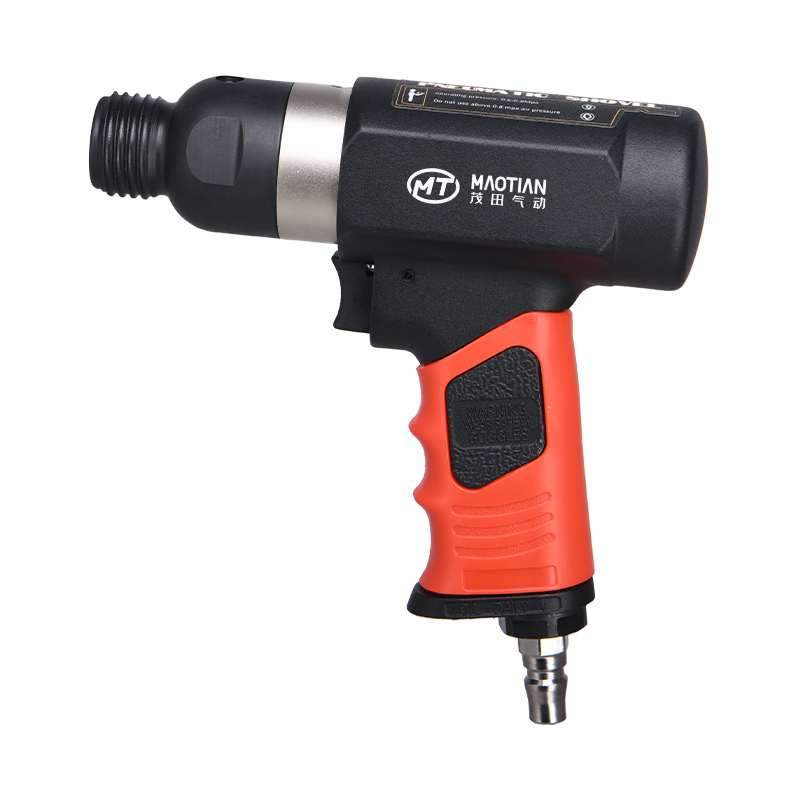
Heavy Duty Medium Barrel Air Hammer
read more -
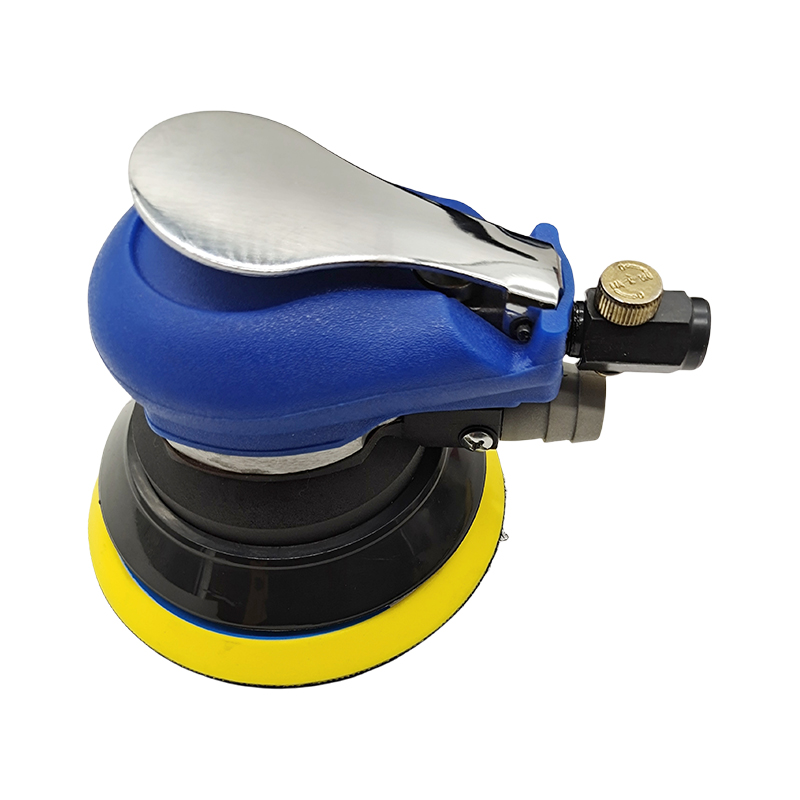
6" Pads And Sandpaper Air Random Orbital Polisher For Metal
read more -
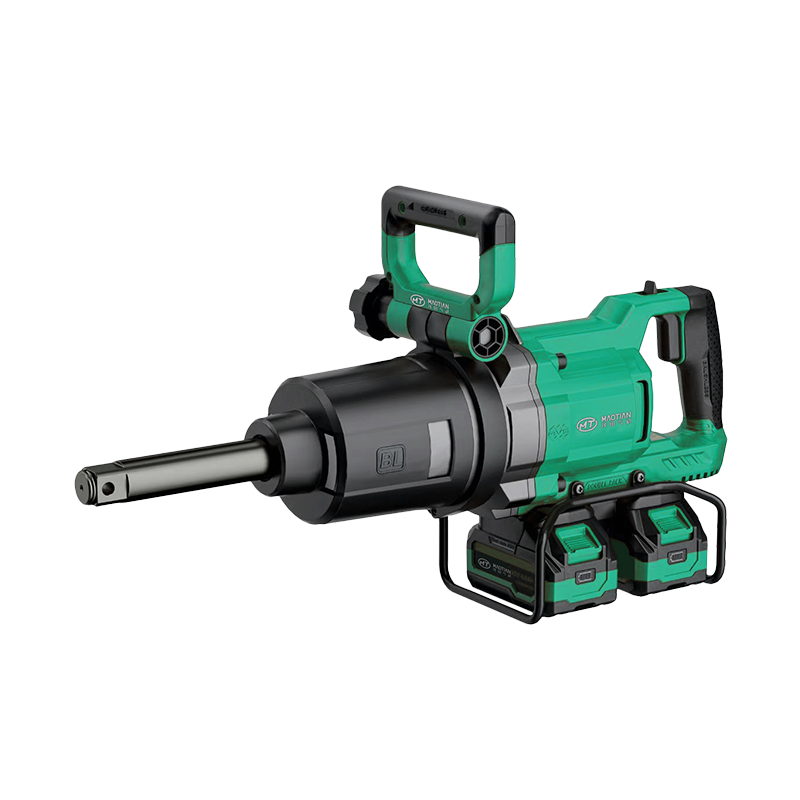
Ultra Duty 40V Strong Power Brushless 1" Li-ion Impact Wrench
read more -
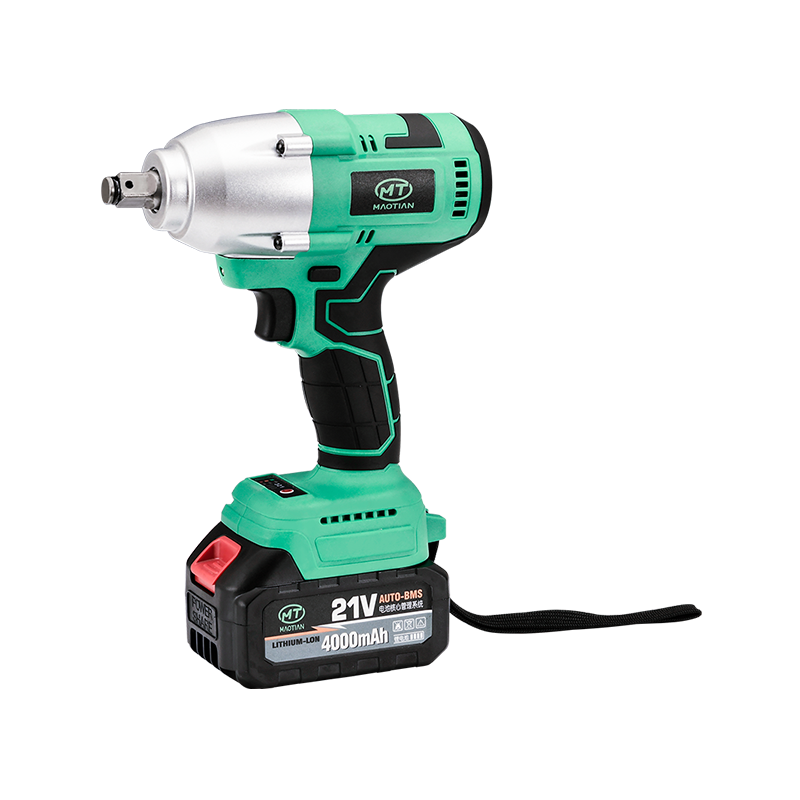
1/2" 20V Brushless Lightweight Li-ion Impact Wrench
read more -
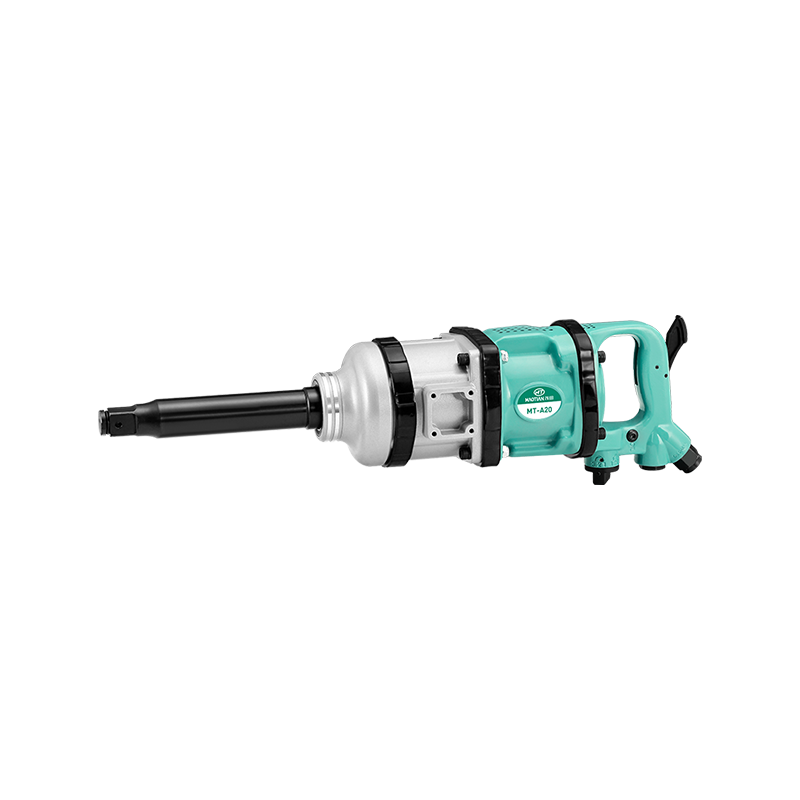
1" Heavy Duty Pinless Clutch Air Impact Wrench
read more -
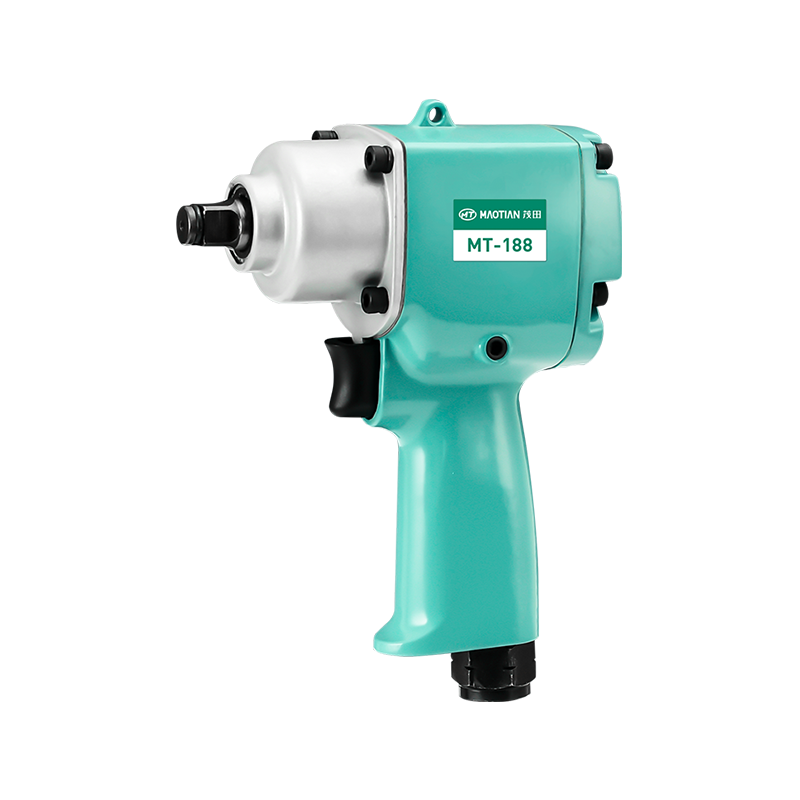
3/8 Inch Stubby Mini Air Impact Gun
read more
Contact
-
Official Address
Building 4, No. 1169, Jiutang South Road, Sanjia Street, Taizhou Bay New District, Taizhou City, Zhejiang , China.
-
Email Us
zoe@maotian-airtool.com
-
Call Us
+86 18815202028 (Zoe Sales Manager )
+86-576-82737789


Copyright © Taizhou Maotian Pneumatic Tools Co., Ltd.
Industrial Pneumatic Tools Factory


